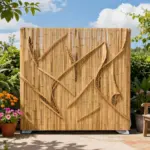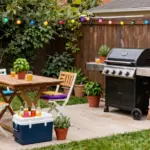
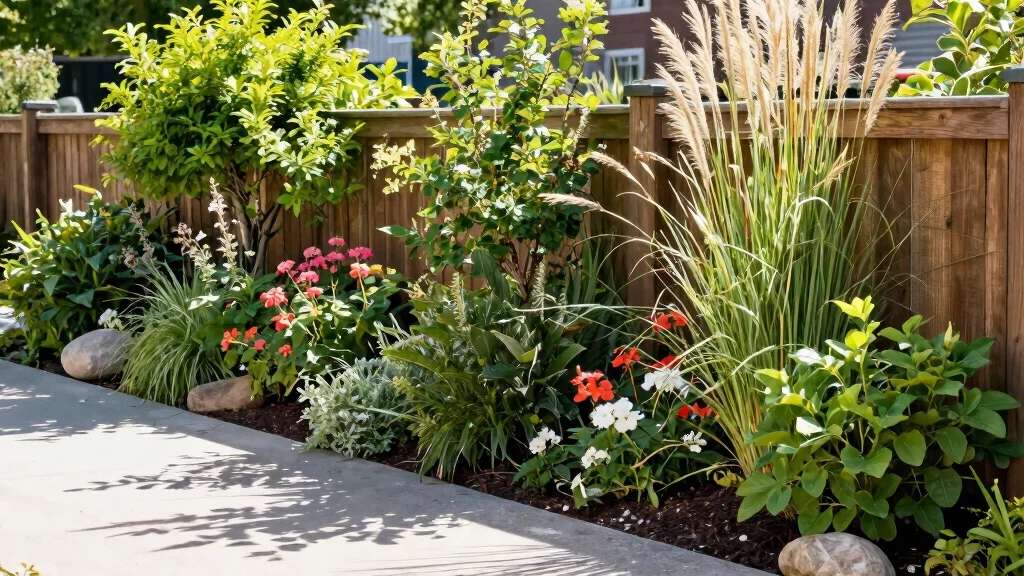
Creating a serene and private outdoor space can feel daunting, especially if you live in a bustling urban area. If you’ve been searching for ways to block out noise and prying eyes, you’re not alone. I put this post together because I know how important it is to have a peaceful garden retreat, no matter where you live. Whether you’re longing for a cozy nook to sip your morning coffee or an intimate setting for evening gatherings, the right plants can make all the difference.
If you’re someone who loves gardening or is just starting out, this guide is perfect for you. You’ll find practical recommendations tailored for urban fence lines, focusing on plants that can provide both privacy and containment. You don’t need to be an expert gardener to understand how these selections can transform your yard into a private oasis. I’ve gathered 15 plants that are not just beautiful and functional but also suited for various climates and maintenance levels.
What you’ll get from this post is a straightforward list of plants that will help you achieve that coveted privacy without overwhelming your space. From drought-resistant options to low-maintenance shrubs, each choice is designed to fit seamlessly into your fence line landscaping. Get ready to explore how these plants can elevate your outdoor area while keeping it stylish and contained.
Key Takeaways
– Discover 15 plants that can effectively create a private space along your fence line, enhancing your outdoor area.
– Learn about drought-resistant plants that save water while providing lush greenery, perfect for eco-conscious gardeners.
– Find low-maintenance shrubs and grasses that require minimal upkeep, making them ideal for busy lifestyles.
– Explore tall ornamental grasses that add texture and movement to your garden without requiring extensive care.
– Understand how to select privacy hedges that not only block views but also harmonize with your existing garden design.
1. Leyland Cypress
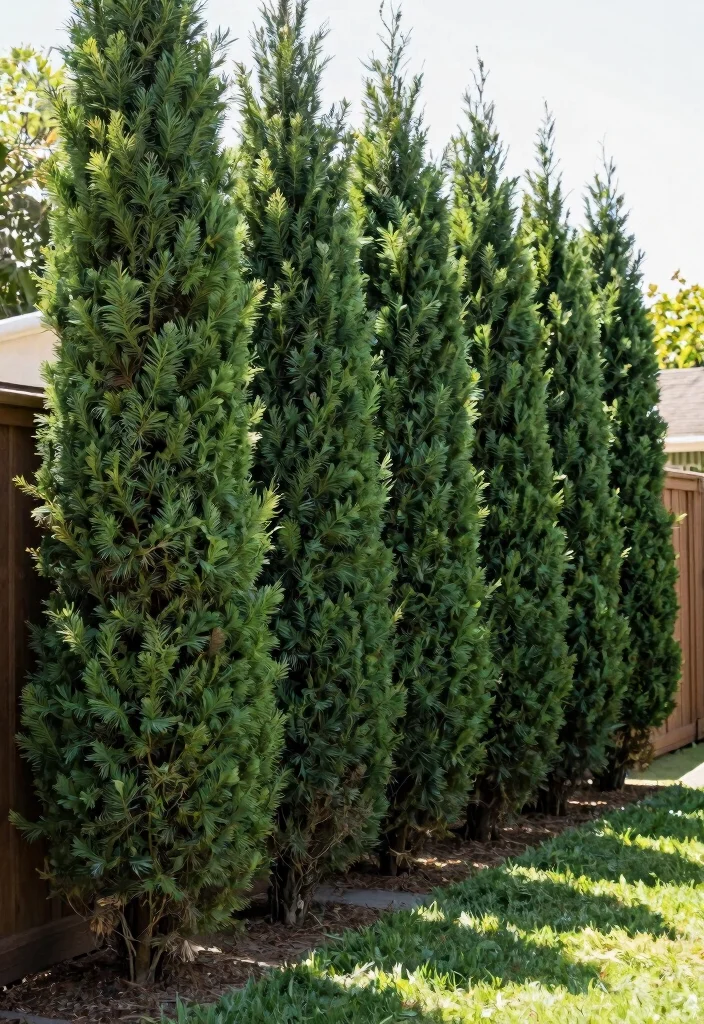
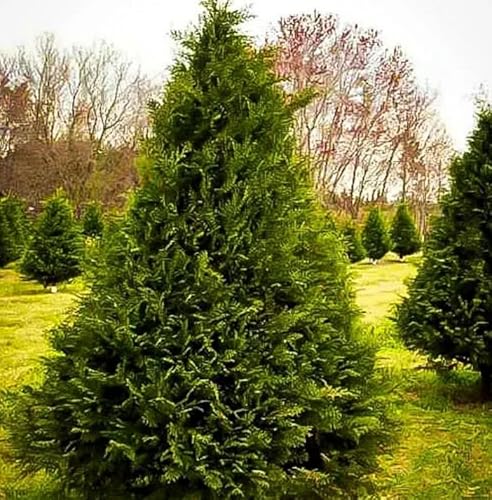
If you’re looking for a tall and lush privacy hedge, Leyland Cypress is a fantastic choice. These fast-growing evergreens can soar to heights over 60 feet, making them ideal for creating a secluded oasis in your backyard. Their dense green foliage not only shields you from prying eyes but also dampens noise, giving you a peaceful retreat right at home.
To achieve the best results, plant them in a straight line for a clean look or stagger them for a more natural feel. They thrive in full sunlight but can manage in partial shade too, making them versatile for different garden settings. Once established, they require minimal watering, perfect for busy lifestyles.
Key features of Leyland Cypress:
– Grow up to 3-4 feet per year for quick privacy
– Thrive in full sun or tolerate partial shade
– Prune annually to maintain desired height and shape
This plant offers a reliable solution for privacy while enhancing your outdoor space with its vibrant greenery.

Supports Fast Growth & Thick Foliage – Helps promote vigorous vertical growth and fuller hedge coverage for privacy screens.

This upright deciduous, occasionally semi-evergreen, shrub blooms creamy-white, fragrant flowers followed by round blue-black fruit. Its dark green and bright green glossy foliage has larger leaves compared to the Sinense. This fast grower will reach 8-10 feet high. Its dense and bushy characteristics make it ideal for a privacy screen, wind screen, hedging, and small tree, while adding great color to your garden.
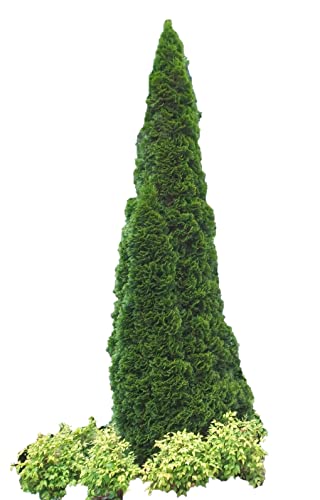
These are ready to plant and should be put in the ground according to the included instructions upon arrival. All pictures are of fully grown plants. Sizes shipped are in the title and description. Deciduous plants do not have leaves in the winter.
2. Bamboo
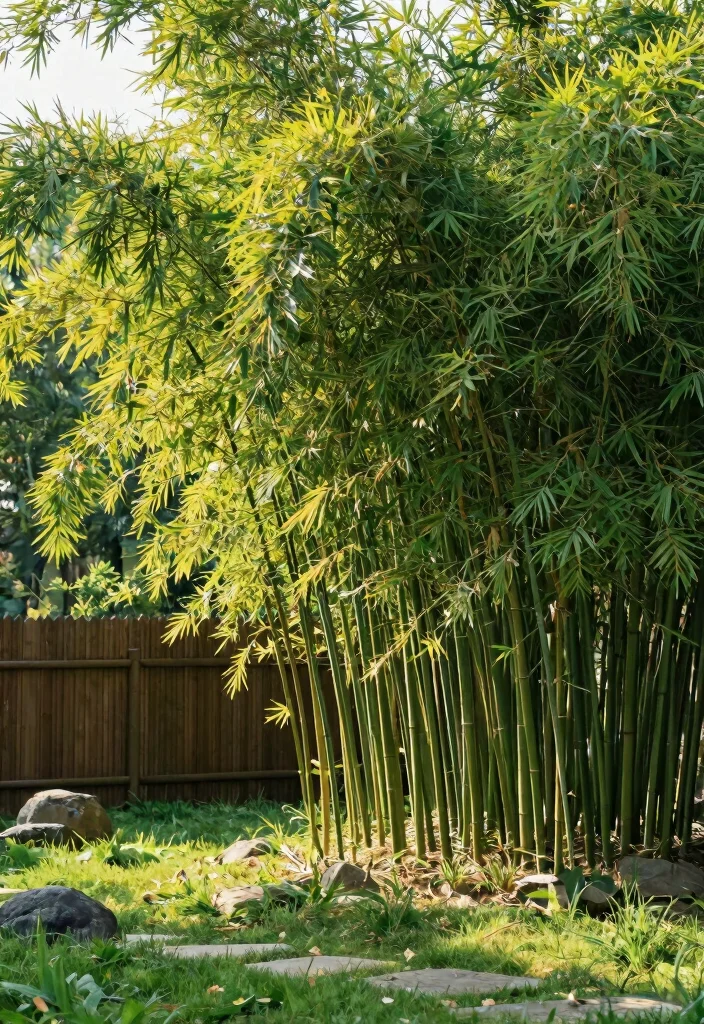
If you’re dreaming of an exotic vibe in your garden, bamboo is the perfect plant for you. With some varieties reaching heights of up to 30 feet, bamboo can create an impressive natural screen that sways gracefully in the breeze. Not only does it provide excellent privacy, but it also lends a serene sound as the wind rustles through its leaves.
Choose clumping varieties like Fargesia to keep growth contained and prevent unwanted spreading. While bamboo grows rapidly, it does need regular watering during its early phase. Once established, it can handle some drought, making it a low-maintenance option.
Benefits of incorporating bamboo:
– Grows several feet in just weeks for immediate privacy
– Opt for clumping types for controlled growth
– Requires regular watering initially, then drought-tolerant
Bamboo can enhance your garden’s aesthetic while ensuring a peaceful atmosphere, making it a delightful choice for any backyard.
If you’re choosing plants for fence line privacy, clumping bamboo like Fargesia grows without spreading and can reach 30 feet. It creates a living privacy screen that sways in the breeze and adds a serene, practical touch to your yard.

QUALITY – Our premium bamboo slat fence are all hand made, using the high quality bamboo from the subtropical monsoon climate region. Garden fence is made of split bamboo and can be used to section off parts of the garden or line a path or driveway to add a tropical charm to your outdoor living space. Bamboo is eco-friendly materials, all bamboo stakes are hand selected and hand treated.

7FT Artificial Bamboo Tree Privacy : The height of the bamboo pole is 7ft, and after inserting the top bamboo leaf, the height is 7.5ft. Faux bamboo plant has double encrypted branches and leaves, each bamboo pole has 20 branches. There are 4000 bamboo leaves in total

Realistic Design: Crafted with silk leaves and sturdy stalks, this 5ft accent piece accurately mimics real bamboo's appearance, adding a natural elegance.
3. Arborvitae
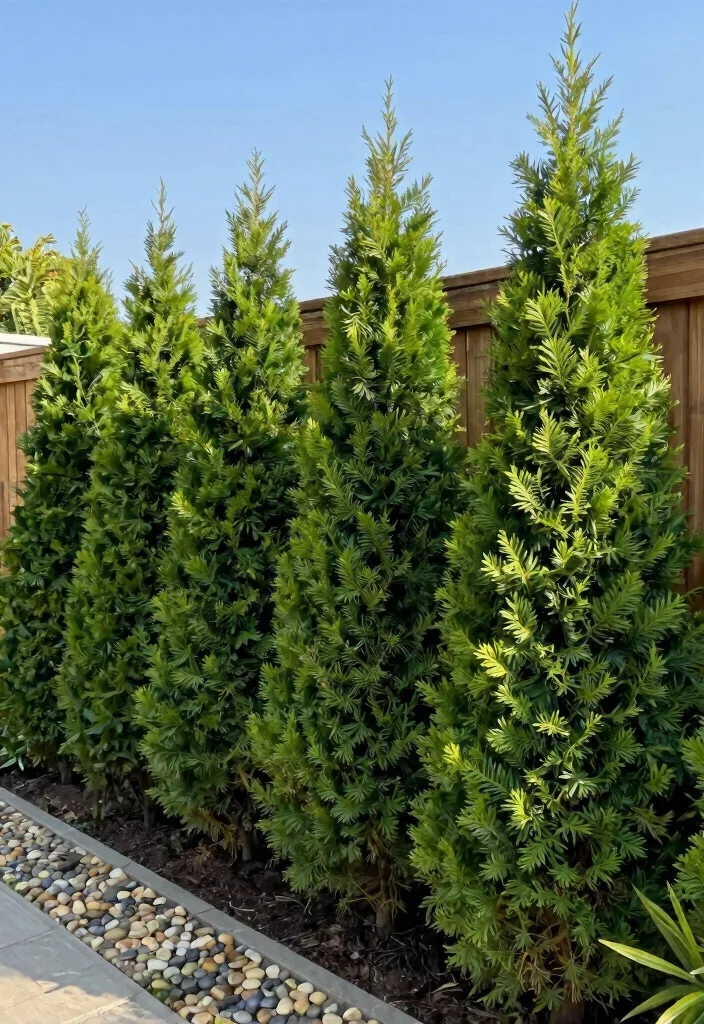
Arborvitae is a superb option for creating a natural privacy barrier along your fence line. With their striking pyramidal shape and rich green foliage, these hardy evergreens can grow between 10 to 30 feet tall, ensuring year-round coverage from wind and noise. They not only provide privacy but also attract local wildlife, enhancing your garden’s vibrancy.
To achieve a natural appearance, plant them in a staggered formation. They prefer full sun but can adapt to some shade, making them versatile for different locations. Minimal pruning is required, ensuring a low-maintenance option for busy gardeners.
Key highlights of Arborvitae:
– Popular varieties include ‘Green Giant’ for fast growth
– Prefer full sun but tolerate some shade
– Minimal pruning needed to maintain attractive form
This plant not only ensures privacy but also enriches your garden, making it a lively haven for birds and other wildlife.

For sale are 20 Leyland Cypress trees that are approximately 6-12" tall and shipped in pots

For sale are 20 Murray Cypress trees that are approximately 6-12" tall and shipped in pots

🌿 ULTRA FAST GROWING PRIVACY SCREEN: Green Wall Willow is one of the fastest growing trees available, quickly forming a dense, living wall for privacy, wind protection, and noise reduction.
4. Boxwood
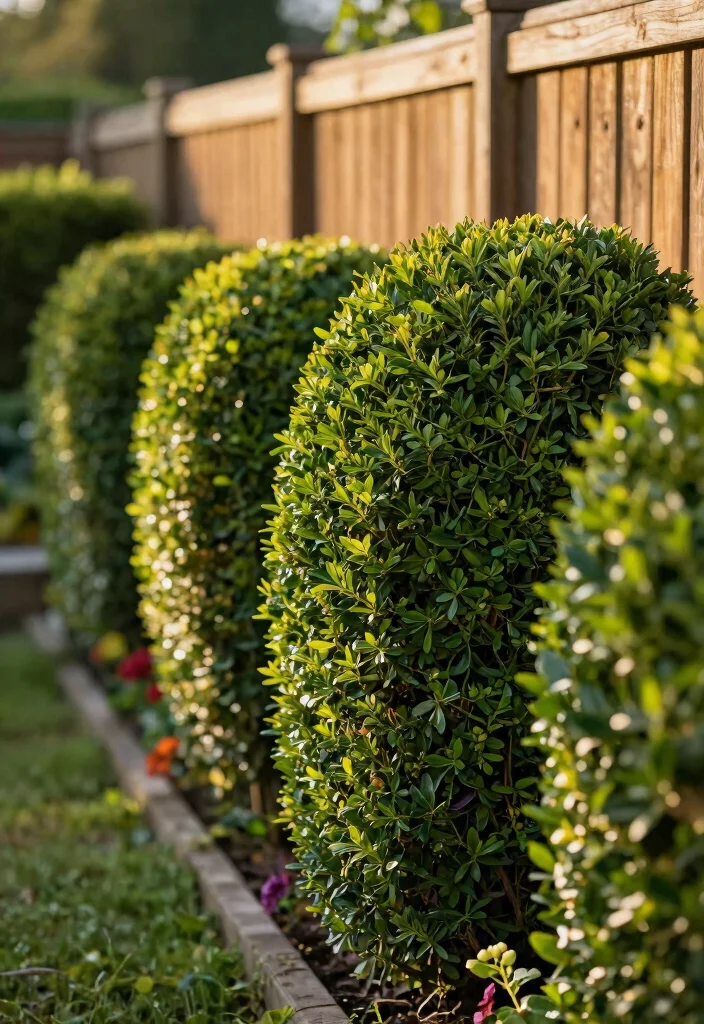
Boxwood shrubs are a fantastic choice for creating a polished fence line with minimal fuss. Their dense evergreen foliage can be shaped into formal hedges or left in a more natural state, offering flexibility to suit your style. With their ability to retain their green appearance year-round, they require little maintenance and no leaf clean-up in the fall.
Depending on the variety, boxwoods can reach heights between 2 to 8 feet, making them suitable for various garden sizes. They thrive in full sun to partial shade, making them adaptable for different locations.
Consider these features of boxwood:
– Grow 2 to 8 feet tall for various landscape needs
– Thrive in full sun or partial shade
– Minimal pruning required, usually just once a year
These shrubs not only enhance your garden’s privacy but also provide an elegant touch, making them a top choice for urban gardeners.

FAST GROWING GRASS: Fresh Skyscraper Grass, also known as Elephant Grass, grows quickly into a tall, dense screen ideal for privacy, landscaping, or animal forage. This tropical annual reaches impressive height in one season, often reseeding itself or easily replanted for continued growth.

FUN AND EASY:100+ Seeds of Exotic Elephant Grass

TALL, ELEGANT PERENNIAL GRASS: Our perennial plants grow 36-48 inches tall and 24-36 inches wide, returning each year with soft, feathery plumes that add texture and movement. Its upright growth enhances landscapes from spring to late fall, making it a standout for outdoor living and decorative spaces. Ideal for gardens, borders, and pathways, it brings refined elegance to any setting.
5. Ornamental Grasses
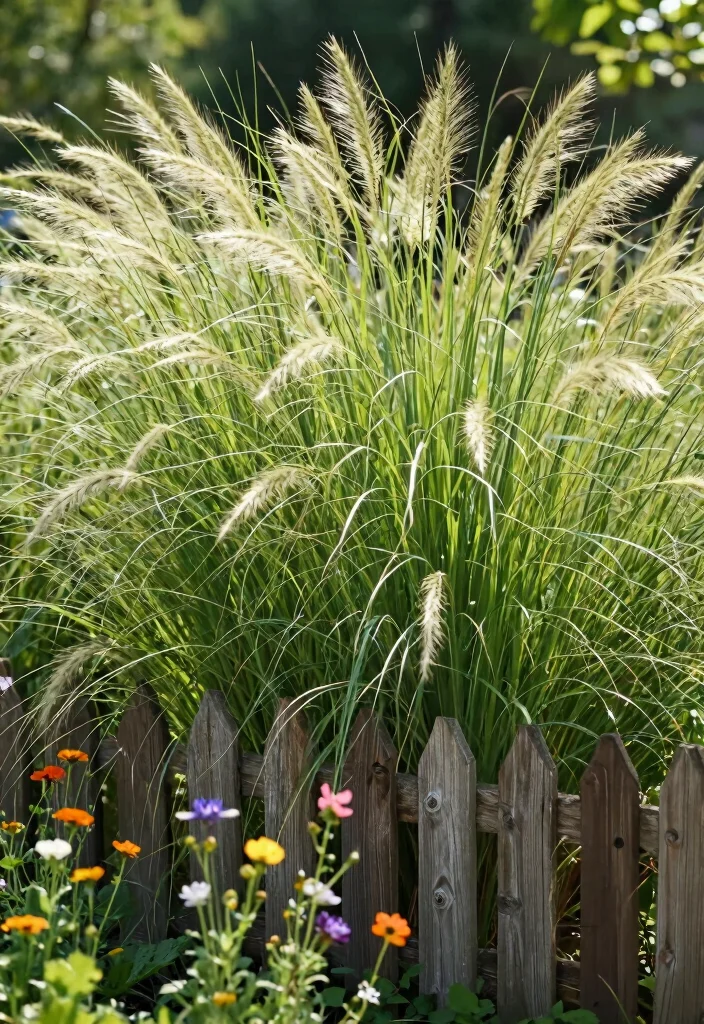
Ornamental grasses, such as Miscanthus or Pennisetum, are excellent for adding texture and movement to your fence line. They can grow from 4 to 10 feet tall, creating a soft, flowing backdrop that enhances your garden’s beauty. Their elegant forms offer a striking contrast to hard landscaping elements, making them ideal for modern gardens.
Once established, many ornamental grasses are drought-resistant, requiring little water. They also provide seasonal interest, with feathery plumes swaying in the wind and stunning silhouettes during winter months.
Benefits of ornamental grasses include:
– Drought-resistant once established for low maintenance
– Seasonal interest with beautiful flower plumes
– Minimal upkeep, typically just a spring cut-back
Intermixing these grasses with flowering perennials will create a dynamic landscape, enhancing both privacy and visual appeal in your garden.

We offer 5 varieties of Spirea (Blue Mist, Snowmond, Little Princess, Halwards Silver, and Renaissance) If you are looking for a different color or height, check out our other Colorado Hardy Plant listings.

This semi-dwarf evergreen is known for its dazzling gold foliage that is brightest in summer with bright green foliage underneath. Its spreading growth habit reaches 3-4 feet tall. Best performs as groundcover, medium-sized shrub, and foundation planting. Adapts well to banks and slopes.

This semi-dwarf evergreen is known for its dazzling gold foliage that is brightest in summer with bright green foliage underneath. Its spreading growth habit reaches 3-4 feet tall. Best performs as groundcover, medium-sized shrub, and foundation planting. Adapts well to banks and slopes.
Ongoing Maintenance & Care Guide
Maintenance Schedule:
Daily/Weekly Tasks:
– Water your plants regularly, especially in dry spells. Aim for about 1-2 inches of water each week. ⏱ 15-30 minutes
– Check for pests or diseases. Look under leaves and on stems for signs of trouble. ⏱ 10-15 minutes
– Remove any dead or yellowing leaves. This helps keep your plants healthy and looking great. ⏱ 10-20 minutes
Monthly/Seasonal Tasks:
– Fertilize your plants with a balanced fertilizer in early spring and mid-summer. Follow package instructions for quantity. ⏱ 20-30 minutes
– Prune your shrubs and grasses to maintain shape and promote healthy growth. Trim once in spring and again in late summer. ⏱ 30-60 minutes
– Mulch around the base of your plants in late spring. This retains moisture and suppresses weeds. Use a layer about 2-3 inches thick. ⏱ 30-45 minutes
Maintenance Summary Table:
| Task | Frequency | Difficulty | Time Needed |
|————————-|—————-|——————|—————|
| Watering | Weekly | Easy | 15-30 minutes |
| Pest Check | Weekly | Easy | 10-15 minutes |
| Leaf Removal | Weekly | Easy | 10-20 minutes |
| Fertilizing | Monthly | Medium | 20-30 minutes |
| Pruning | Monthly | Medium | 30-60 minutes |
| Mulching | Seasonal | Medium | 30-45 minutes |
Common Issues to Watch For:
⚠️ Look out for these warning signs that indicate your plants need attention:
– 🐛 Pest Infestation: If you see holes in leaves or tiny bugs, pests may be a problem. Check closely and treat immediately to avoid damage.
– 🍂 Wilting or Yellowing Leaves: This could mean your plants are either too dry or overwatered. Adjust your watering schedule accordingly.
– 🌱 Stunted Growth: If your plants aren’t growing as expected, it may be time to fertilize. Ensure they receive enough nutrients.
Care Tips:
💡 Here are some practical tips to keep your fence line plants thriving:
– Choose the Right Plants: Select drought-resistant varieties if you live in a dry area. This will save you time and effort in watering.
– Use the Right Soil: Ensure your plants are in well-draining soil. Poor drainage can lead to root rot. Consider adding compost for extra nutrients.
– Monitor Weather Conditions: During extreme heat or cold, adjust your care routine. Protect your plants with shade cloth or frost cover as needed.
With regular care, your fence line will flourish and provide the privacy you desire. Following this guide helps keep your plants healthy and contained, allowing you to enjoy a beautiful, green space all year round.

Made for Arborvitae Trees – Formulated to support healthy growth in arborvitae and evergreen hedges.


the thuja green giant is known as the premier. fast growing privacy tree for much of the united states
6. Privet
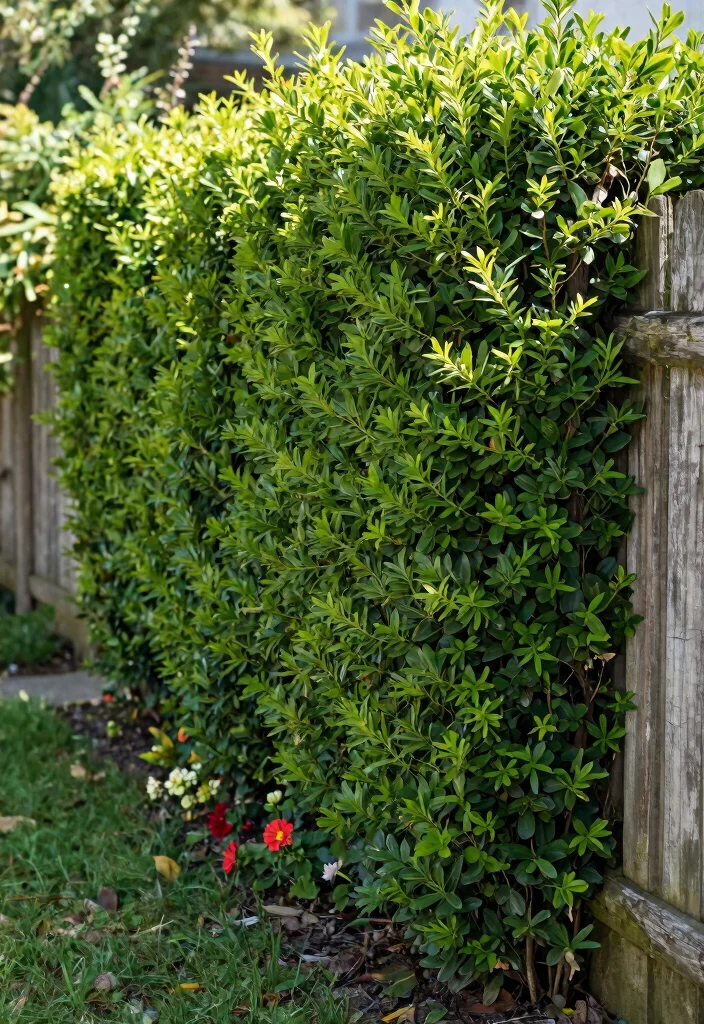
Privet is a timeless choice for establishing a privacy hedge in your garden. Known for its dense growth and small leaves, it can reach heights up to 12 feet, creating a solid barrier against disturbances. This adaptable plant is a favorite for both urban and rural settings, appreciated for its quick growth and versatility.
Privet can grow 2-3 feet per year, ensuring you see results quickly. It thrives in full sun or partial shade, making it suitable for various locations. Regular pruning helps maintain its shape and encourages bushy growth, typically done 1-2 times a year.
Features of privet:
– Rapid growth for immediate privacy
– Thrives in full sun or partial shade
– Regular pruning keeps it in check
With privet gracing your fence line, you’ll achieve an inviting atmosphere while enjoying the benefits of privacy and noise reduction.
Fun fact: Privet can add up to 3 feet of privacy per year, turning a bare fence into a dense screen. With quick growth and easy pruning, it’s a go-to choice for plants for fence line in urban spaces.

Fun and Simple: Giant bamboo with its unique appearance and rapid growth, has become a favorite for gardens and outdoor spaces

6FT Artificial Bamboo Tree Privacy : The height of the bamboo pole is 6ft, and after inserting the top bamboo leaf, the height is 6.5ft. Faux bamboo plant has double encrypted branches and leaves, each bamboo pole has 21 branches. There are 4000 bamboo leaves in total

IMPENETRABLE FOLIAGE & HONEST SIZING: Don't settle for competitors who measure to the highest leaf tip. Our heavy-duty bamboo poles offer a true [ 4ft/5ft/6ft/6.6ft ] height, capped with an extra 6in bushy crown. Featuring [16/16/16/24] premium canes with [6/8/10/12] branches each, this faux fence delivers an astonishing [1920/2560/3200/5760] leaves per unit. This unrivaled density guarantees ultimate visual blockage for your backyard or balcony, far outperforming standard fake plants.
7. Holly
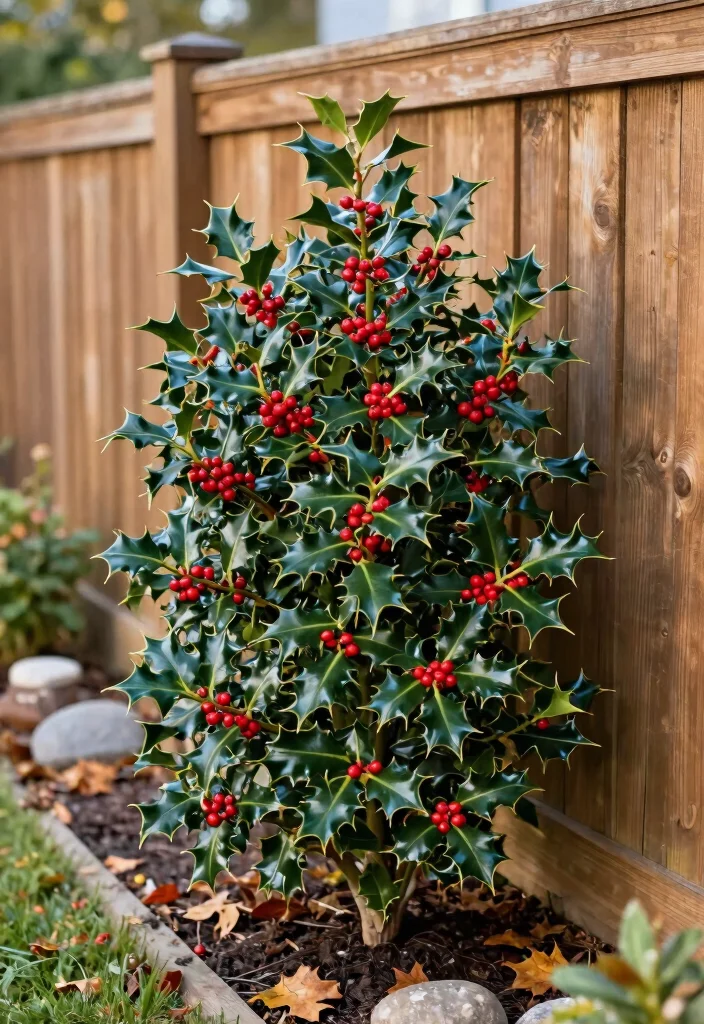
Holly shrubs are an excellent addition to your fence line, offering dense foliage and vibrant berries during winter months. With species like American and Japanese Holly, you can choose the perfect fit for your garden. Not only do they provide privacy, but their bright berries also attract birds, enhancing the ecosystem in your yard.
Depending on the species, holly can grow between 3 to 15 feet, giving you flexibility in height. They prefer full sun to partial shade, ensuring they flourish in various garden conditions. Minimal pruning is needed to maintain their shape while allowing for a natural or formal hedge appearance.
Highlights of holly:
– Grow 3 to 15 feet tall, offering height options
– Thrive in full sun to partial shade
– Minimal pruning for maintenance
With holly in your garden, you’ll enjoy both privacy and a beautiful decorative touch, especially in winter.

For sale are 10 Leyland Cypress trees that are approximately 6-12" tall and shipped in pots

For sale are 10 Murray Cypress trees that are approximately 6-12" tall and shipped in pots
For sale are 3 Murray Cypress trees that are approximately 6-12" tall and shipped in pots
8. Lavender
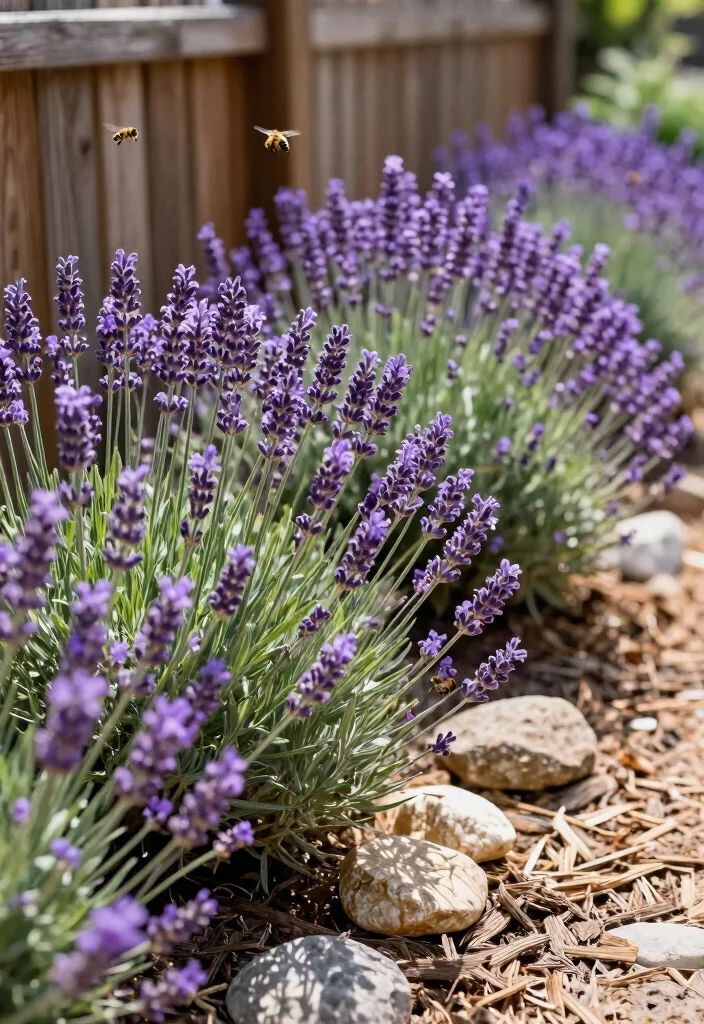
Lavender not only enhances your fence line with its vibrant purple blooms but also fills the air with a delightful fragrance. These beautiful plants can grow up to 3 feet tall, creating a colorful and aromatic border. The sight of lavender swaying gently adds charm and a romantic feel to your outdoor space.
Known for being drought-resistant, lavender is perfect for low-maintenance gardens. They thrive in full sun and require well-drained soil, so select a sunny spot for planting. A light pruning after blooming helps keep them healthy and promotes new growth.
Key aspects of lavender:
– Drought-resistant, ideal for low-maintenance gardens
– Thrives in full sun and well-drained soil
– Light pruning after blooming encourages growth
Planting lavender in rows along your fence line creates a stunning visual while the soothing scent enhances your outdoor experience.
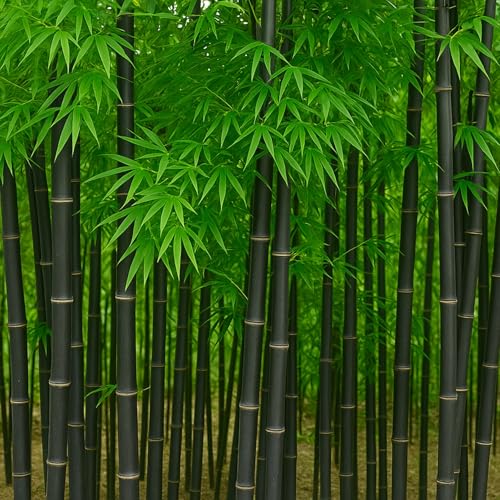
EXOTIC DARK CANES: Black bamboo develops deep charcoal to ebony-colored culms as plants mature. The dark stems create dramatic contrast against green foliage. 300+ Seeds of Black Bamboo
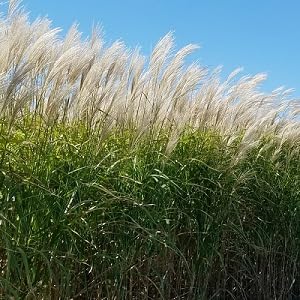
Impressive Size & Presence – This towering ornamental grass can reach 10–12 feet tall, creating a dramatic, feathery backdrop or natural privacy screen or fence in the landscape.

Grow Elegant Ornamental Bamboo – Black Bamboo seeds are ideal for ornamental gardens, privacy screens, living fences, landscape borders, bamboo gardens, container planting, Asian-inspired landscapes, natural windbreaks, and decorative outdoor spaces. This collection includes 100 premium seeds for growing one of the most sought-after ornamental bamboo varieties.
9. Yew
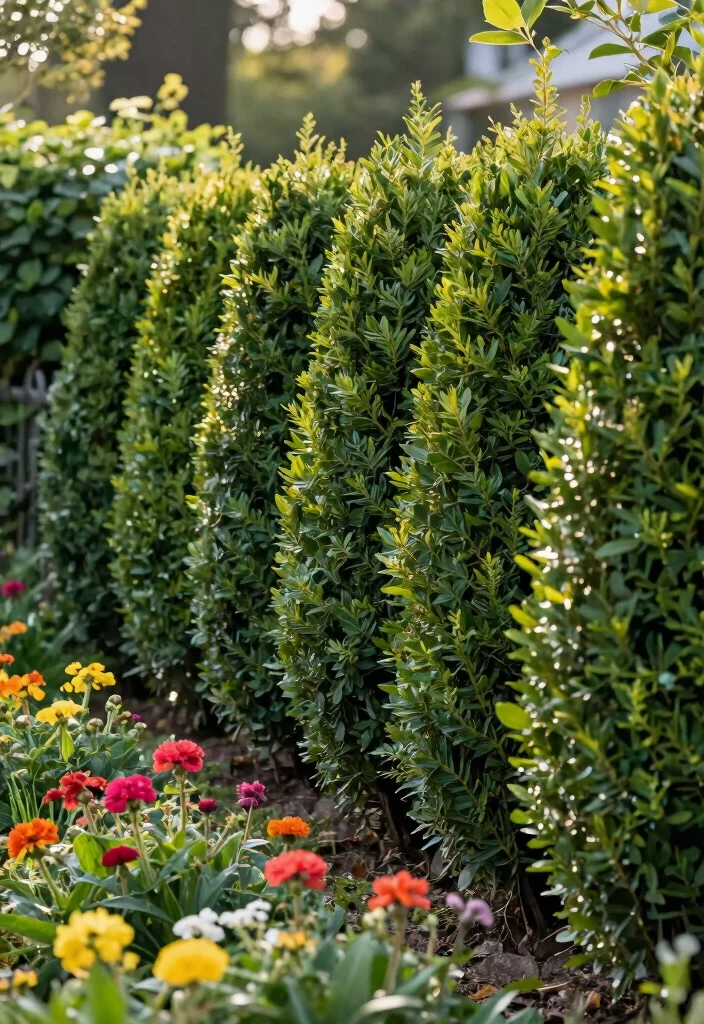
Yew plants are a refined option for creating an effective privacy screen. Renowned for their dark green foliage, yews can be shaped into elegant hedges or left in their natural form. They thrive in various environments, making them suitable for urban settings along your fence line.
Yews grow slowly, typically reaching heights of 4 to 10 feet, and can be pruned to your desired size. They prefer partial shade but can also tolerate full sun, giving you flexibility in planting locations. Very low maintenance, yews require occasional pruning to maintain their shape and density.
Consider these benefits of yew:
– Slow growth allows for precise shaping
– Adaptable to partial shade or full sun
– Minimal maintenance for hassle-free gardening
Planting yews in layers creates a lush backdrop while ensuring a private atmosphere, adding a polished look to your garden.
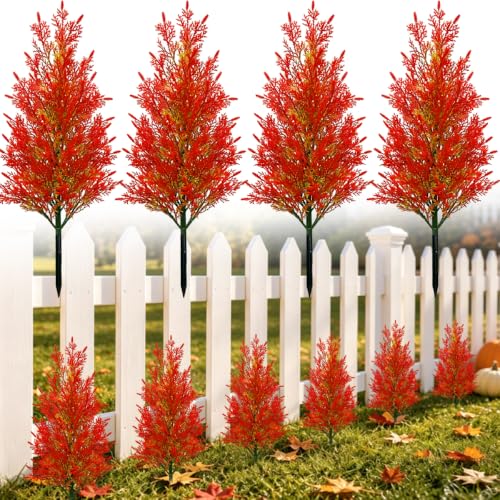
Stunning Autumn‑Red Yard Accent:Vibrant red‑orange fall foliage delivers eye‑catching harvest‑season curb appeal. UV‑stable weatherproof material resists fading, rain and cool autumn wind, perfect for Thanksgiving & fall outdoor landscaping.
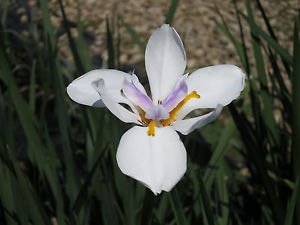
🌴White African Iris is the perfect grass like shrub to add some Exotic vibes to your garden or landscape.

Native Evergreen Tree – Naturally symmetrical form and dense foliage make this cedar ideal for privacy screens or windbreaks in southern landscapes
10. Nandina (Heavenly Bamboo)
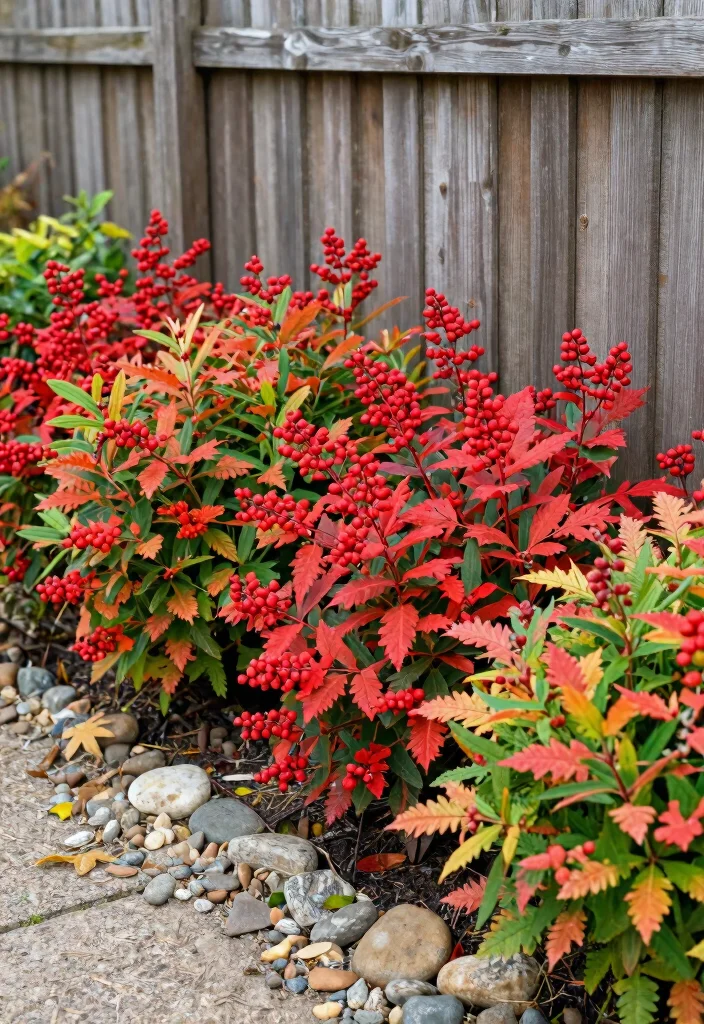
Nandina, often referred to as Heavenly Bamboo, is a versatile plant that adds color and privacy to your fence line. With foliage that turns vibrant shades of red in the fall, it offers year-round visual interest. Growing between 3 to 8 feet tall, it’s perfect for creating lower privacy hedges.
Nandina grows in clumps, making them easy to group for a denser appearance. They adapt well to various light conditions, from full sun to partial shade. Minimal care is needed, and pruning can help control size and shape.
Key features of Nandina:
– Grows in clumps for easy grouping
– Adaptable to different light conditions
– Minimal maintenance and pruning required
Pairing Nandina with taller plants creates a colorful, layered fence line that is both functional and beautiful, attracting wildlife to your garden.
11. Spiraea
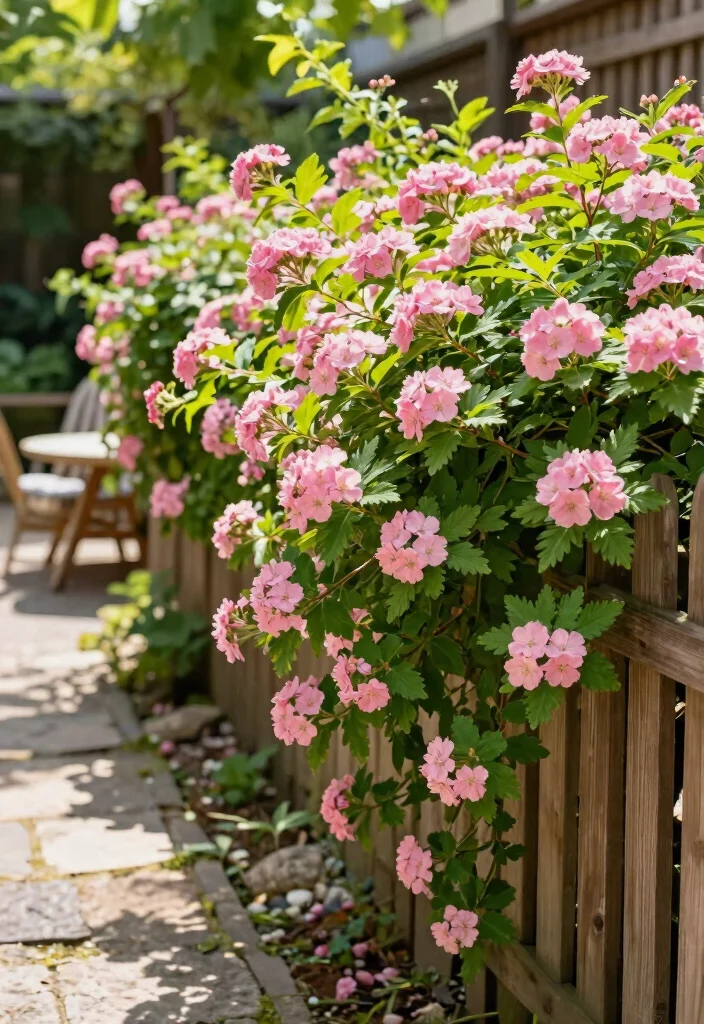
Spiraea, commonly known as spirea, is a lovely flowering shrub that brings beauty and privacy to your fence line. With delicate blossoms in spring and summer, spiraea provides a colorful display while offering visual separation. Typically growing to about 3-6 feet tall, they are ideal for mid-height hedges.
Spiraea comes in many varieties, such as ‘Anthony Waterer’ and ‘Goldflame,’ each offering unique flower colors and foliage. They thrive in full sun and well-drained soil, making them easy to grow in most conditions. Minimal pruning is needed, usually after flowering to encourage new growth.
Consider these highlights of spiraea:
– Many varieties for diverse flower colors
– Thrives in full sun and well-drained soil
– Minimal pruning needed for maintenance
Planting spiraea in clusters creates a blooming hedge that not only provides privacy but also attracts butterflies and bees, enriching your garden’s atmosphere.
12. Russian Sage
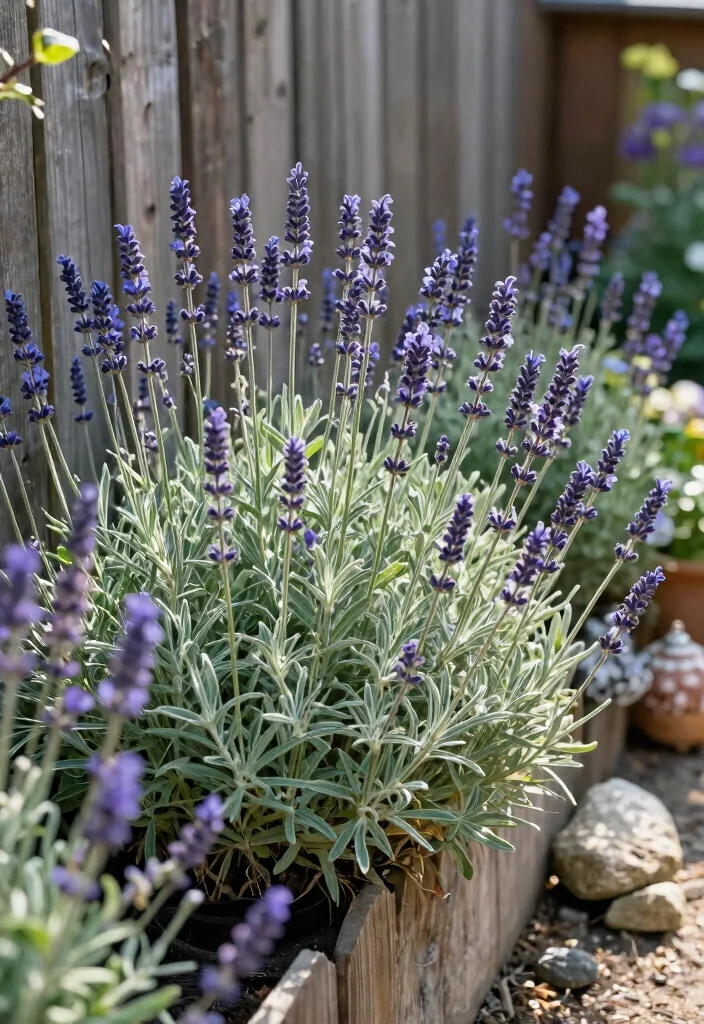
Russian Sage is a stunning addition to your fence line, known for its unique texture and color. With silvery foliage and tall spikes of lavender-blue flowers, it can grow up to 4 feet tall. This drought-resistant plant thrives in sunny conditions and requires little maintenance, making it perfect for busy gardeners seeking privacy.
Russian Sage grows quickly and fills out a space within a single growing season. It loves full sun, ensuring vibrant growth and abundant blooms. This resilient plant can handle poor soil conditions, making it reliable for various garden types.
Benefits of Russian Sage:
– Grows quickly for rapid coverage
– Thrives in full sun for vibrant blooms
– Handles poor soil conditions with ease
When planted together, Russian Sage creates a flowing border that offers both privacy and beauty, while its fragrant blooms attract pollinators to enhance your garden’s biodiversity.
13. Red Twig Dogwood
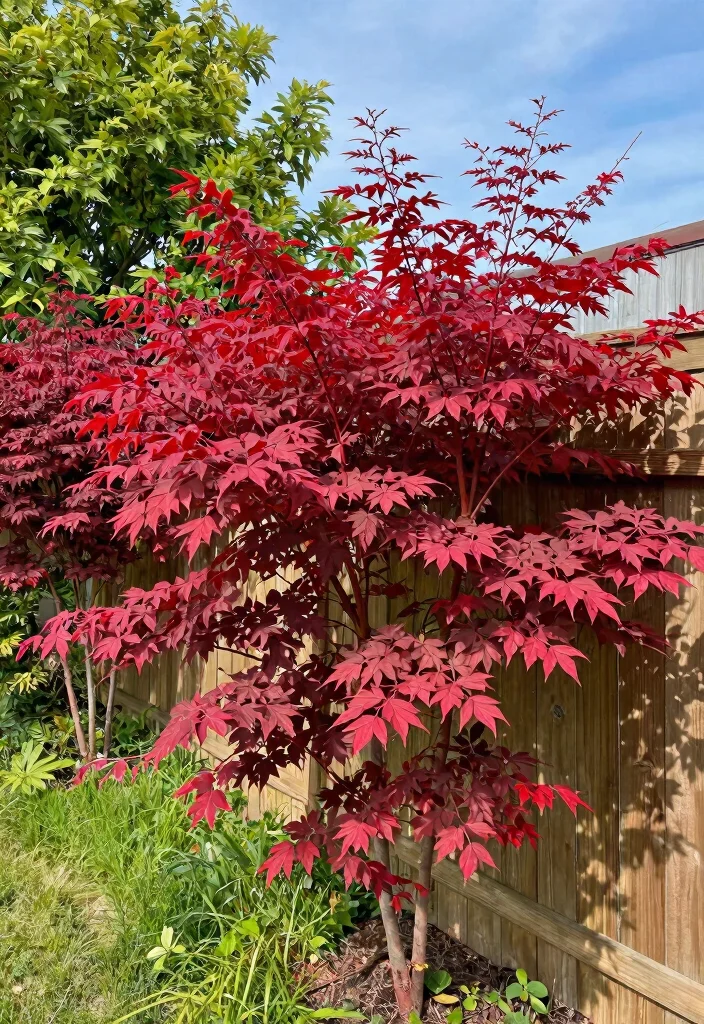
Red Twig Dogwood is an exceptional choice for adding color and interest to your fence line. Known for its striking red branches that shine in the winter, this shrub can grow up to 10 feet tall. It not only provides a unique visual barrier but is also a great choice for attracting wildlife to your garden.
Red Twig Dogwood grows quickly and can be pruned to maintain a desired size and shape. It prefers full sun to partial shade, giving you flexibility in planting locations. Regular pruning is essential to promote new growth and enhance the vibrant color of the stems.
Key features of Red Twig Dogwood:
– Grows quickly for immediate impact
– Thrives in full sun to partial shade
– Pruning promotes vibrant stem color
Pairing these plants with evergreen species ensures year-round privacy and visual interest, while their bright branches add a pop of color during colder months.
14. Butterfly Bush
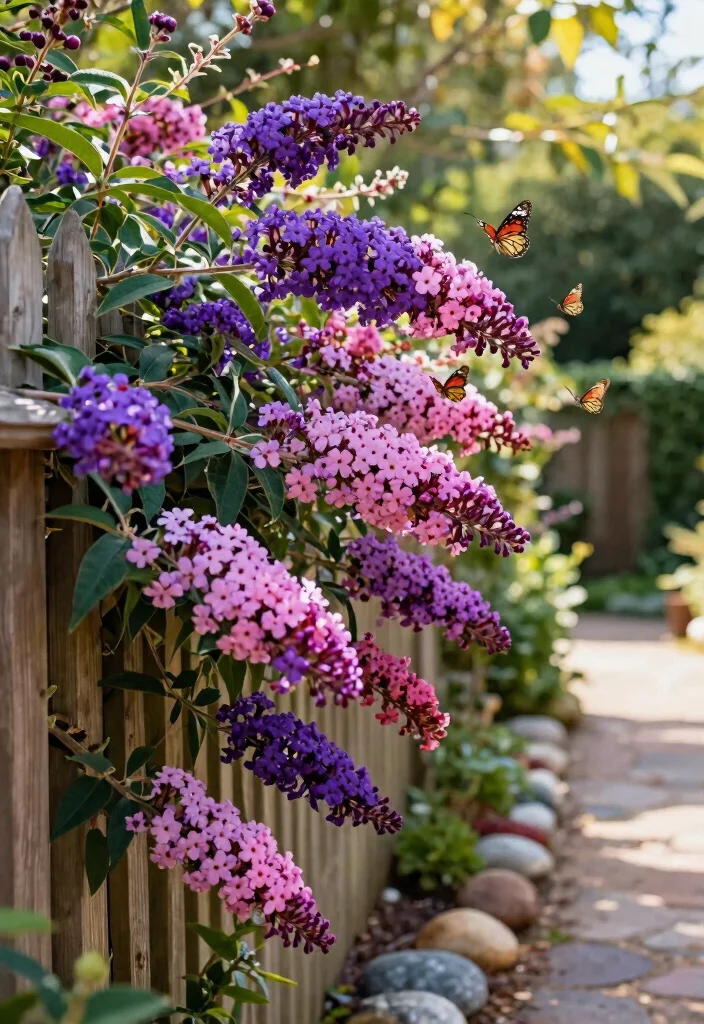
Butterfly Bush is a fantastic choice for those wanting to attract pollinators while enhancing privacy in their garden. Known for its enchanting flowers, this hardy shrub can grow up to 10 feet tall, providing both beauty and seclusion. With fragrant blooms, it creates a wonderful sensory experience in your outdoor space.
Butterfly Bush grows quickly, with flowering spikes reaching heights of 3-10 feet depending on the variety. They thrive in full sun, promoting abundant blooms throughout the growing season. Pruning in late winter or early spring helps encourage vigorous growth and vibrant flowers.
Highlights of Butterfly Bush:
– Grows quickly to enhance privacy
– Thrives in full sun for abundant blooms
– Prune in early spring for best results
By planting Butterfly Bush along your fence line, you not only create a private oasis but also a lively habitat for butterflies and bees, making your garden a vibrant sanctuary.
15. Camellia
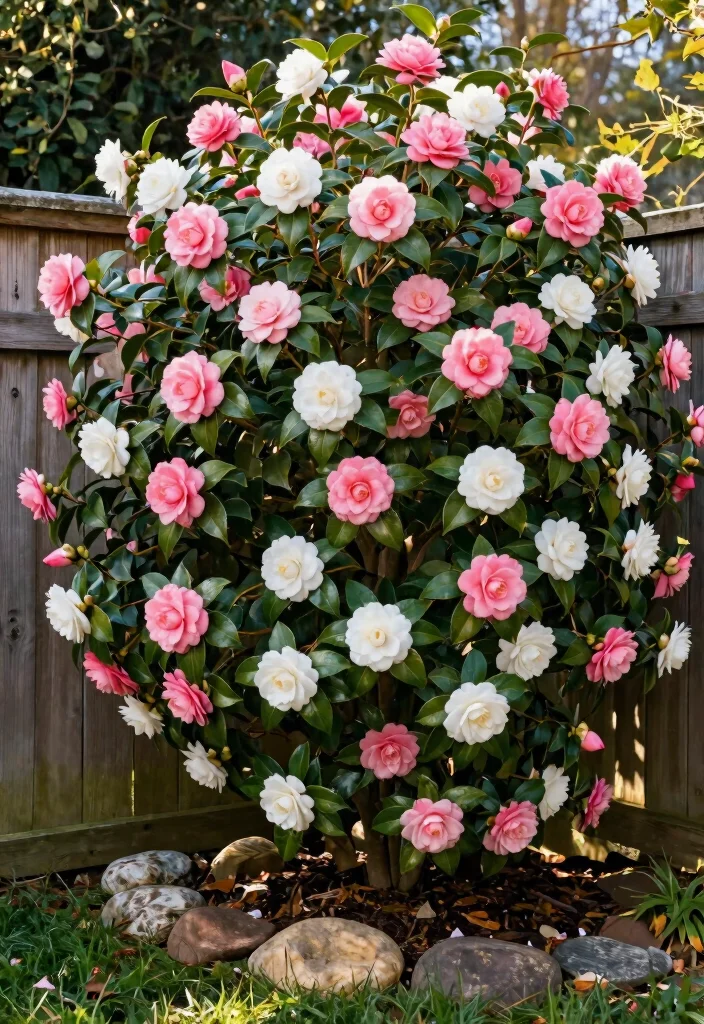
Camellias are a stunning choice for adding elegance to your garden with their gorgeous blooms and lush foliage. These evergreen shrubs can grow up to 10 feet tall, providing a lovely screen along your fence line. They bloom in winter and spring, bringing vibrant color to your outdoor space when many other plants are dormant.
With various species like Camellia japonica and Camellia sasanqua, you can choose from different colors and bloom times to suit your preference. They thrive in partial shade, making them suitable for areas with some cover. Regular pruning helps maintain their shape and encourages abundant blooms.
Key features of Camellia:
– Grow up to 10 feet tall for substantial coverage
– Prefer partial shade for optimal growth
– Regular pruning promotes lush blooms
Camellias can be planted as a hedge or in groups, creating a beautiful focal point in your garden while ensuring privacy and enhancing your outdoor living space.
Fun fact: Camellias can grow up to 10 feet tall, making them ideal plants for fence line privacy. They bloom for 4–6 weeks in winter to spring, adding color when yards are bare. Prune lightly to keep them contained and thriving in partial shade.
Conclusion
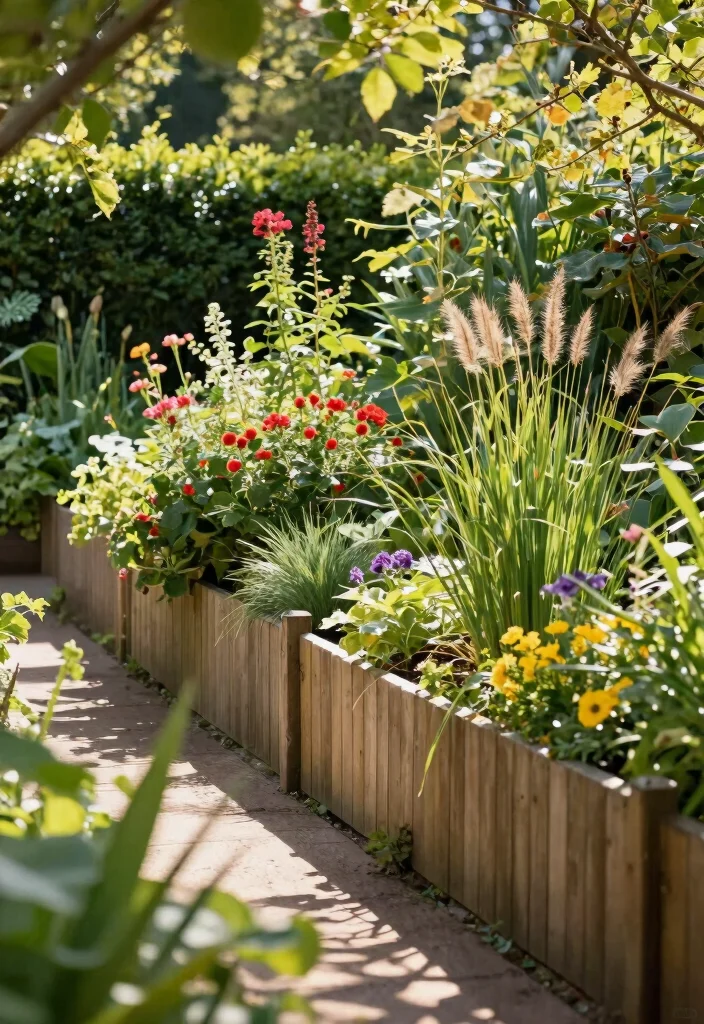
Crafting a private oasis in your garden can be easily achieved with the right plants lining your fence line. Each option mentioned here brings its unique set of benefits, combining beauty, low maintenance, and privacy.
Whether you opt for lush hedges like Arborvitae or vibrant flowers like Butterfly Bush, these selections cater to various gardening needs while enhancing your outdoor aesthetic. Consider mixing different plants for a dynamic look or sticking to a single variety for a more cohesive design.
Get started on your own garden transformation today, and enjoy the benefits of a lush, private space.
Note: We aim to provide accurate product links, but some may occasionally expire or become unavailable. If this happens, please search directly on Amazon for the product or a suitable alternative.
This post contains Amazon affiliate links, meaning we may earn a small commission if you purchase through our links, at no extra cost to you.
Frequently Asked Questions
What are the best types of plants for fence line to create privacy in an urban setting while keeping them contained?
In small urban spaces, choose plants that deliver privacy without taking over. Start with privacy hedges or tall ornamental grasses that stay neat, then add low-maintenance shrubs for year‑round coverage. Avoid running bamboo unless you install a solid root barrier, or swap in clumping options like Fargesia. Space plants according to their mature width and give each enough room to fill in naturally. Use a defined bed against the fence and mulch to reduce root expansion and help containment.
For a fence-line that stays contained and looks intentional, consider a layered approach: tall back plants, medium-height shrubs in the middle, and low groundcover in front. This fence line landscaping strategy keeps privacy steady without crowding the space.
How tall do these plants for fence line typically get, and how quickly do they reach privacy height?
Most privacy hedges reach 4–8 feet tall, while tall ornamental grasses can top 6–12 feet, depending on the cultivar. Shrubs vary, with many reaching 5–7 feet in a few years. Growth speed depends on light, soil, and water; plan for 3–5 years to fill in for a dense privacy screen. Pruning in late winter or early spring helps you maintain the exact height you want. Consider choosing slower-growing cultivars if you want less maintenance.
When selecting, check the mature height and spread on the tag so you can space them appropriately along the fence line.
Are there drought-resistant plants I can use along a fence line to reduce water usage while preserving privacy?
Absolutely. For a drought-conscious fence line, mix drought-resistant plants like tall grasses (for example, Miscanthus and Muhlenbergia), with low-maintenance shrubs such as juniper or native viburnums, and flowering perennials like lavender and salvia. Group plants with similar water needs (hydrozones), mulch deeply, and use a drip irrigation line to minimize evaporation. This approach keeps privacy intact with less watering, even in hot summers.
Native options are great when available, and you can still achieve a dense screen by layering textures with grasses and shrubs.
What are practical, low-maintenance strategies for fence line landscaping that stay contained and private?
Think layered, not cluttered. Put tall, evergreen back there for year-round privacy, add tall ornamental grasses or shrubs in the middle, and finish with low-maintenance shrubs or groundcovers in the front to soften edges. Use simple pruning schedules (seasonal trim), mulch 2–3 inches to suppress weeds and protect roots, and irrigate with a basic drip line. If space allows, a trellis with fast-growing vines can increase privacy without expanding the footprint. This privacy hedges plus fence line landscaping approach keeps things tidy and contained.
How can I ensure the chosen plants for fence line stay contained and don’t spread beyond the fence line?
Start with non‑invasive or clumping plants, and avoid running bamboo unless you’ve installed a solid root barrier. Install a deep root barrier (2–3 inches below grade) where needed, and plant in clearly defined beds with edging. Regularly prune suckers and invasive shoots, water responsibly, and monitor growth to prevent encroachment. Choosing the right cultivars with controlled spread makes upkeep easier and keeps your garden within the fence line.
Pro tip: mark property lines and check local guidance on invasive species to stay compliant and protective of neighbors.
Related Topics
plants for fence line
privacy hedges
drought-resistant plants
vertical gardening
low-maintenance shrubs
fence line landscaping
tall ornamental grasses
urban gardening
easy care plants
garden privacy solutions
container gardening
beginner friendly