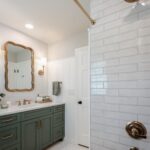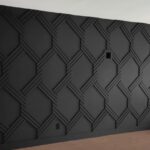
Pine battens run a few dollars each, painted MDF costs more but still undercuts hardwood, and the real budget question is how much wall you want to cover versus how much precision cutting you want to take on.
A narrow ledge at the top of board and batten keeps the look cleaner than a full shelf, while wainscoting stops at chair rail height and picture frame moulding can sit anywhere from eye level to floor to ceiling.
1. Wainscoting
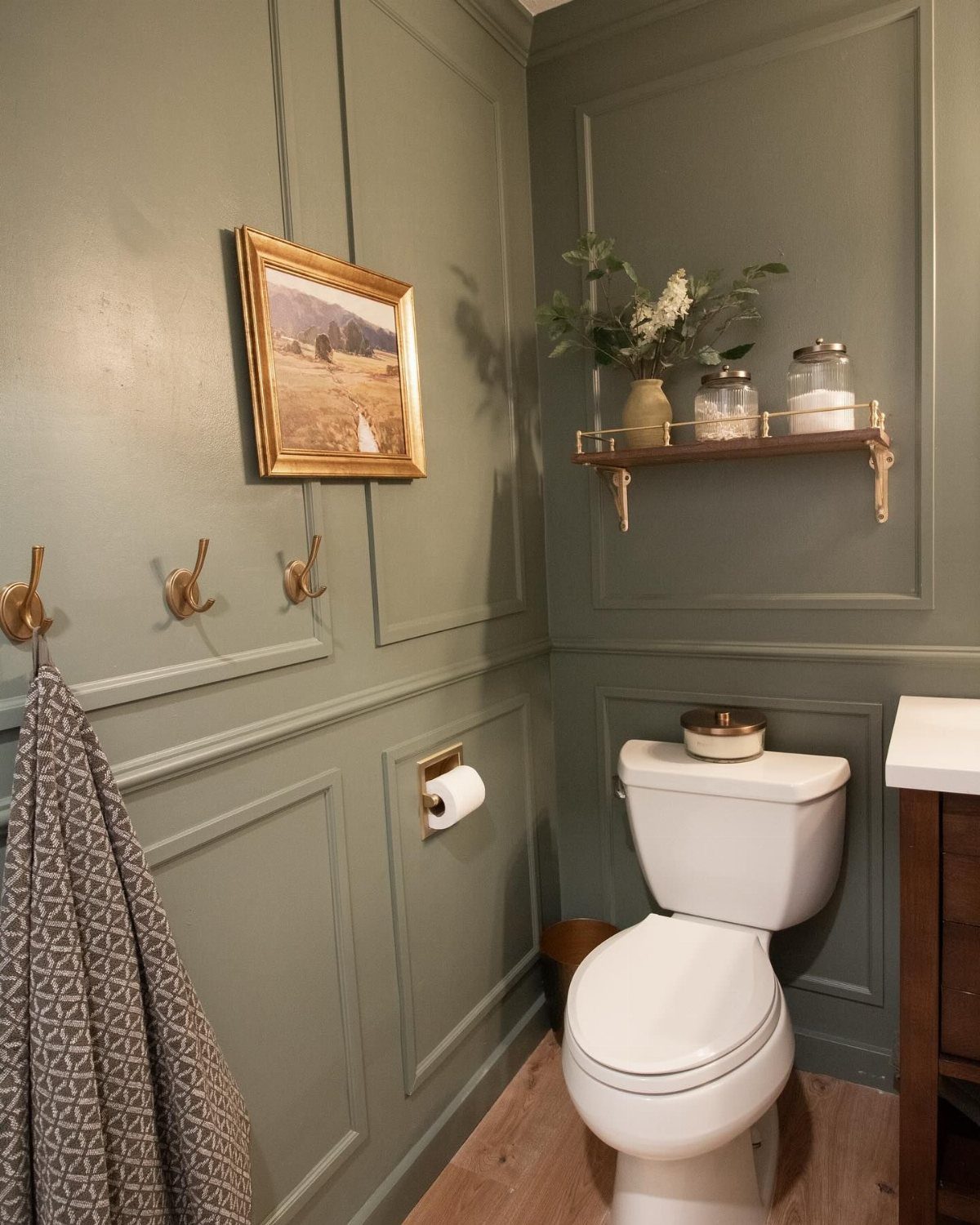
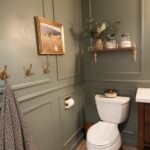
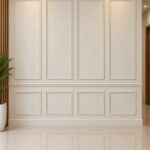
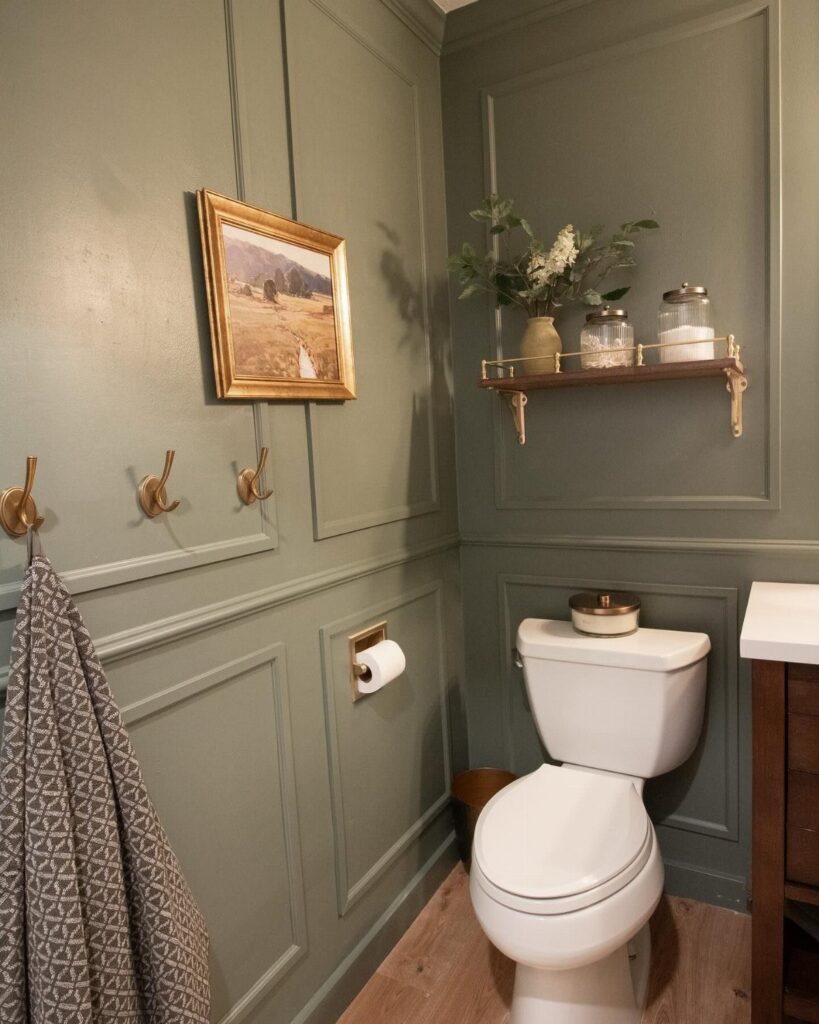
Wainscoting caps off at chair rail height, usually between one-third and halfway up the wall, and stacking two rows of picture-frame boxes gives more depth than a single tier.
It suits renters and first-home owners who want wall protection that also hides scuffs in high-traffic spots like bathrooms or hallways.
The math matters more than the lumber. Measure your wall length, decide how many boxes fit evenly, and work outward from the center so the partial boxes at the ends match.
MDF trims cost less than solid wood and paint the same; skip the hardwood markup if you plan to paint anyway.
If your walls have texture, either skim-coat first or accept that the frames will sit slightly proud. Sage green reads classic; white or a shade darker than your upper wall works too.

HIGH QUALITY: The picture frame for painting handicrafts is made of high-quality pine wood, with clear texture and uniform wood texture. The frame is finely polished by hand, and the texture is fine and moist. You can do color creation well.

All-in-One Design - Package of 10 premade molding trim slat + 2 decorative edge strip create instant board & batten walls

Craft frames: receive 18 pieces of unfinished wood craft frames in 6 different styles, and they come with 18 pieces of twines for to hang the frames, enough quantity can satisfy your daily needs for craft use, you can also share them with others
2. Board and Batten
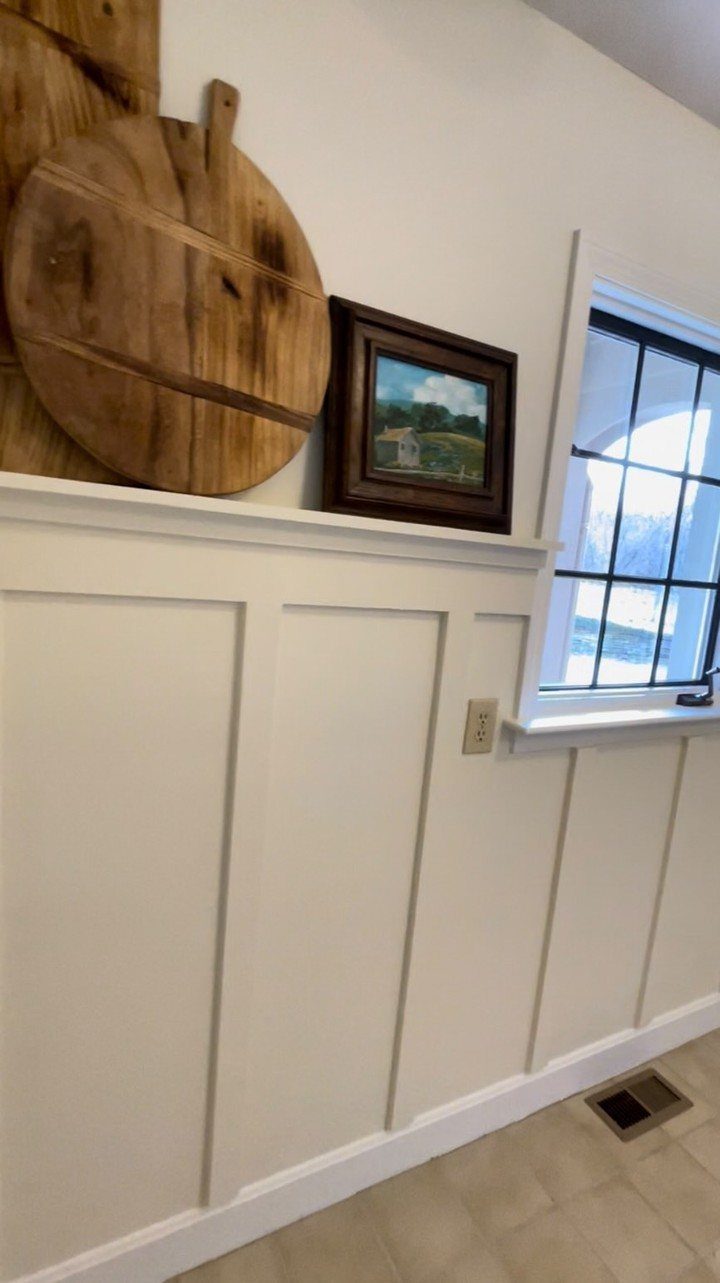
Board and batten started as exterior siding, narrow strips covering the seams between wider boards for weather tightness, and that same rhythm of vertical lines now works indoors from baseboard to anywhere you want to stop it.
A narrow ledge at the top is cleaner than a full shelf and still gives you a spot for small objects without the dusting surface.
Board and batten sits in the middle on both cost and effort: more lumber than picture frame moulding but simpler cuts than stacked trim.
Pine battens are the cheap option, and the spacing formula is simple: one batten at each end and each corner, then divide the remaining gaps evenly.
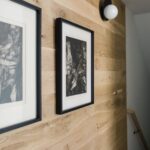
A light wood version can stop at mid-wall height, but taking it higher suits rooms where you want the eye to travel up.
Caulk every seam before painting; the battens will telegraph any gap. It reads more casual than wainscoting, which makes it forgiving in older homes with walls that are not quite square.

【Complete Wainscoting Kit】Board and batten wainscoting kit includes 23 premade MDF molding trim slat and 5 decorative trim strips, covering 220in x 51in to create sophisticated board and batten wall decor

DIY Wall Panel Set: Wall molding kit includes 3 sets of pre-cut flexible wall decorations, each set has 8 pcs, total 24 pcs, can mix and match our different sizes to beautify your walls. Additionally, easily paint the trims in your favorite color(black,gold,blue,pink,green) to match any interior style-modern, farmhouse, vintage
3. Picture Frame Moulding
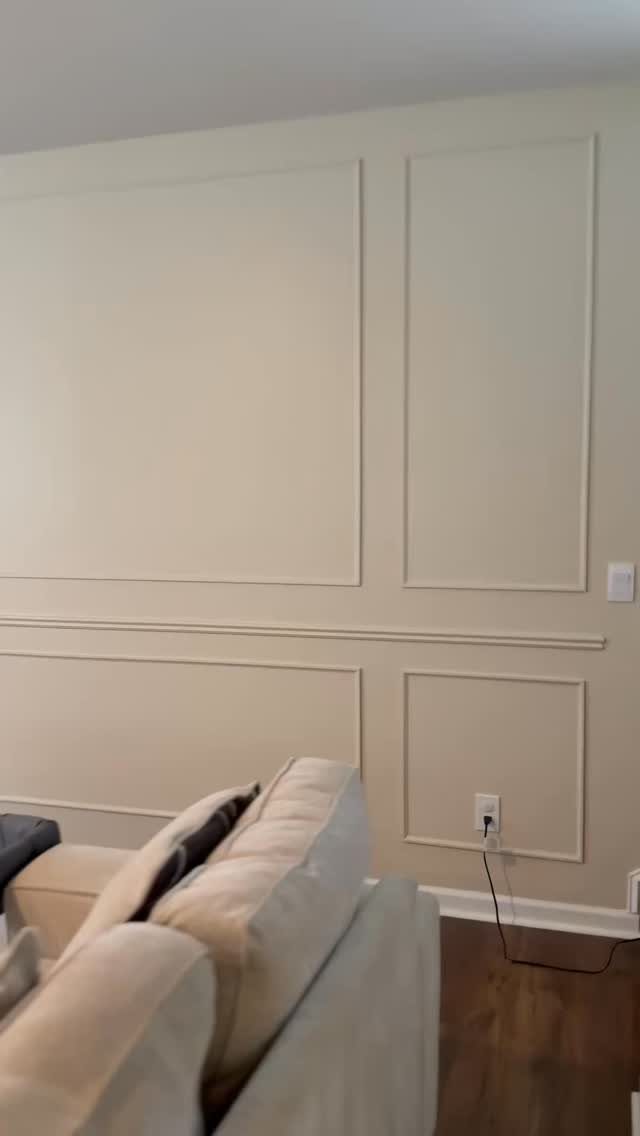
Picture frame moulding is 4 pieces of trim joined into a rectangle and glued or nailed flat to the wall, nothing recessed, which makes it the easiest to install and the most flexible in placement.
Boxes above and below a chair rail fill the wall horizontally, but you can also cluster them from floor to ceiling or keep a single row at eye level.
Quarter-inch to two-inch trim works; smaller profiles read more refined, larger ones more dramatic.
Layout is the step that takes time. Use painter’s tape to mock up sizes and spacing before cutting anything, and live with the tape for a day if you can.
The boxes above the rail are taller than those below, which is a choice that breaks up the wall without feeling rigid.
Paint the moulding to match the wall for subtle texture, or contrast it for definition. This one draws the eye upward without demanding the carpentry that true paneling does.
Defined as "any finish or decorative wood detail added to a wall," wall moulding is "a designer favorite that isn’t going anywhere," says Havenly designer Brady Burke.
— Havenly

DIY Installation Made Easy: Cut, peel, and stick in just 3 simple steps. No special tools required. Effortless installation for a quick and hassle-free experience.

PLASTPRO PVC TRIM KIT, 2 PIECE: Complete your Plastpro wainscoting panels installation with the matching trim kit. Includes 1 pre-finished white PVC chair rail and 1 base molding with integrated rubber seal that blocks moisture from seeping between wall and panels. Pre-grooved to snap directly onto Plastpro 3 Ft and 8 Ft PVC wall panels.

Includes 3 pre-cut 20"x27" wall molding frames and 2 chair rail trim pieces, Covers 78.7"W x 39.9"H wall area (6.5 ft wide). All pieces feature a peel-and-stick design for easy installation
Frequently Asked Questions
What is trim in the middle of a wall called?
It goes by several names depending on the style.
Wainscoting is the name when paneling rises to chair rail height, somewhere between the floor and halfway up. Board and batten can climb partway or go all the way to the ceiling.
Picture frame moulding works at any height, even a single band where you hang art. The umbrella term is mid-wall trim or decorative moulding.
What kind of trim is popular now?
Wainscoting, board and batten, and picture frame moulding are the styles showing up most in searches and project posts.
Wainscoting suits traditional rooms, board and batten reads more casual, and picture frame moulding is the easiest to install yourself. Wall moulding styles like wainscoting and board and batten are the ones showing up everywhere right now.
How to end crown molding in the middle of a wall?
The question is about crown molding that ends mid-run, which is a different problem; these styles are designed to stop where you want them to.
For crown molding ending mid-wall, you would need a return piece mitered to die into the wall, which is a different carpentry problem than the wainscoting, board and batten, or picture frame moulding discussed here.