Bathroom flooring runs from mesh-backed mosaics you can press into place over a weekend to poured concrete that needs time to cure and a full gut to install.
The deciding factor is how much of the work your own hands will do and how long the bathroom can stay offline.
A wet saw rental and extra tile for herringbone cuts lands very differently than calling in a setter for hand-cut zellige.
1. Ceramic and Porcelain Flooring
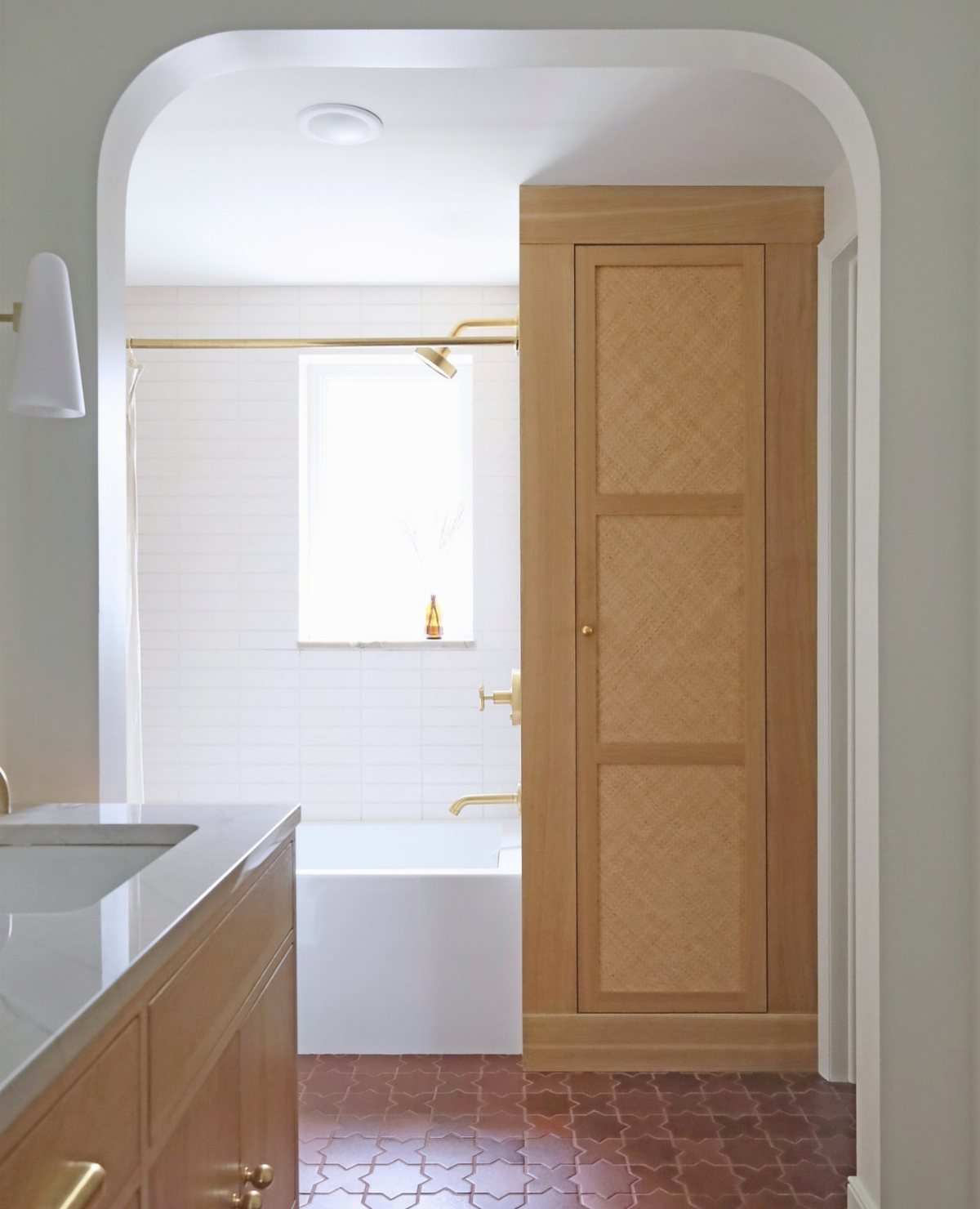
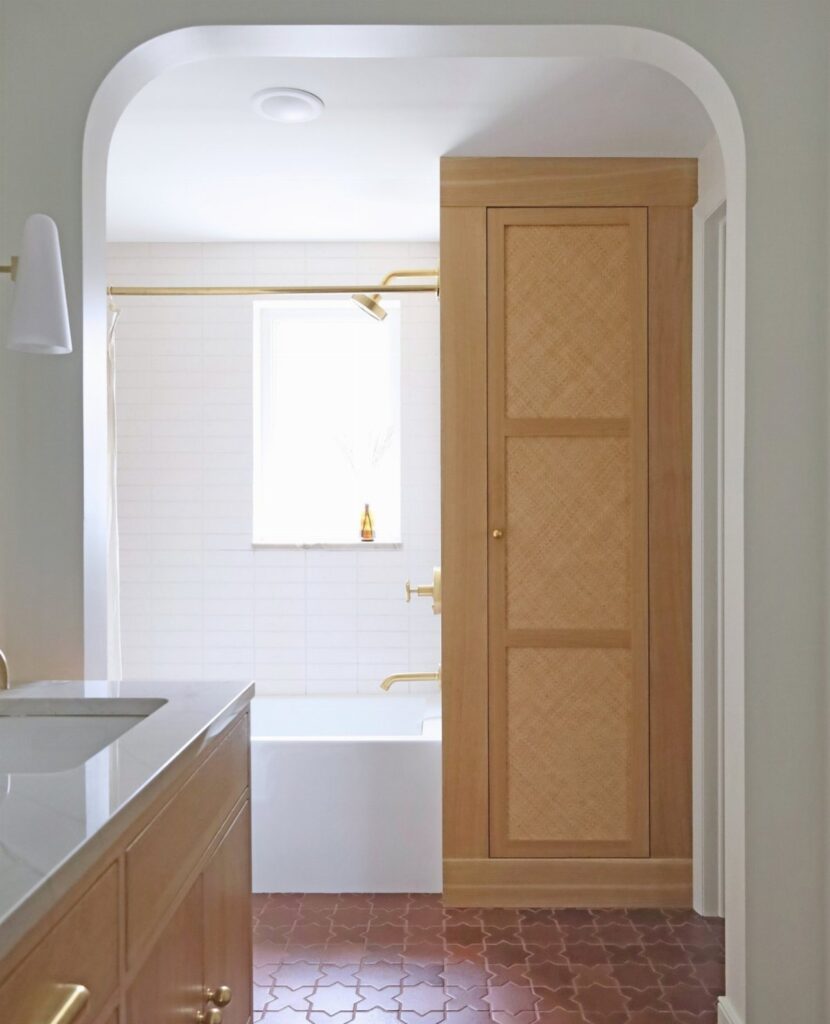
Geometric terracotta tile on a bathroom floor reads warmer than standard white, and that warmth hides water spots between cleanings. Ceramic and porcelain both handle the steam and splashing, but porcelain absorbs less water if your grout lines ever fail.
Either way, the real cost spike comes from installation, not the material itself. A square tile in a running bond pattern goes down faster than small mosaics, and the fewer grout lines, the less scrubbing later.
If you are hiring out, get two quotes and ask whether the subfloor needs cement board. If you are doing it yourself, rent a wet saw and buy extra for cuts around the toilet flange.

Wide Application - This touch up paint pen adheres to a wide range of surfaces, including tile, tub, bathtub, sink, enamel, porcelain and refrigerators. It allows you to easily repair scratches, stains, chips, spots, yellowing, and other surface paint imperfections

Repairs chips, cracks, and scratches on ceramic/porcelain.
2. Wood-Look Tile
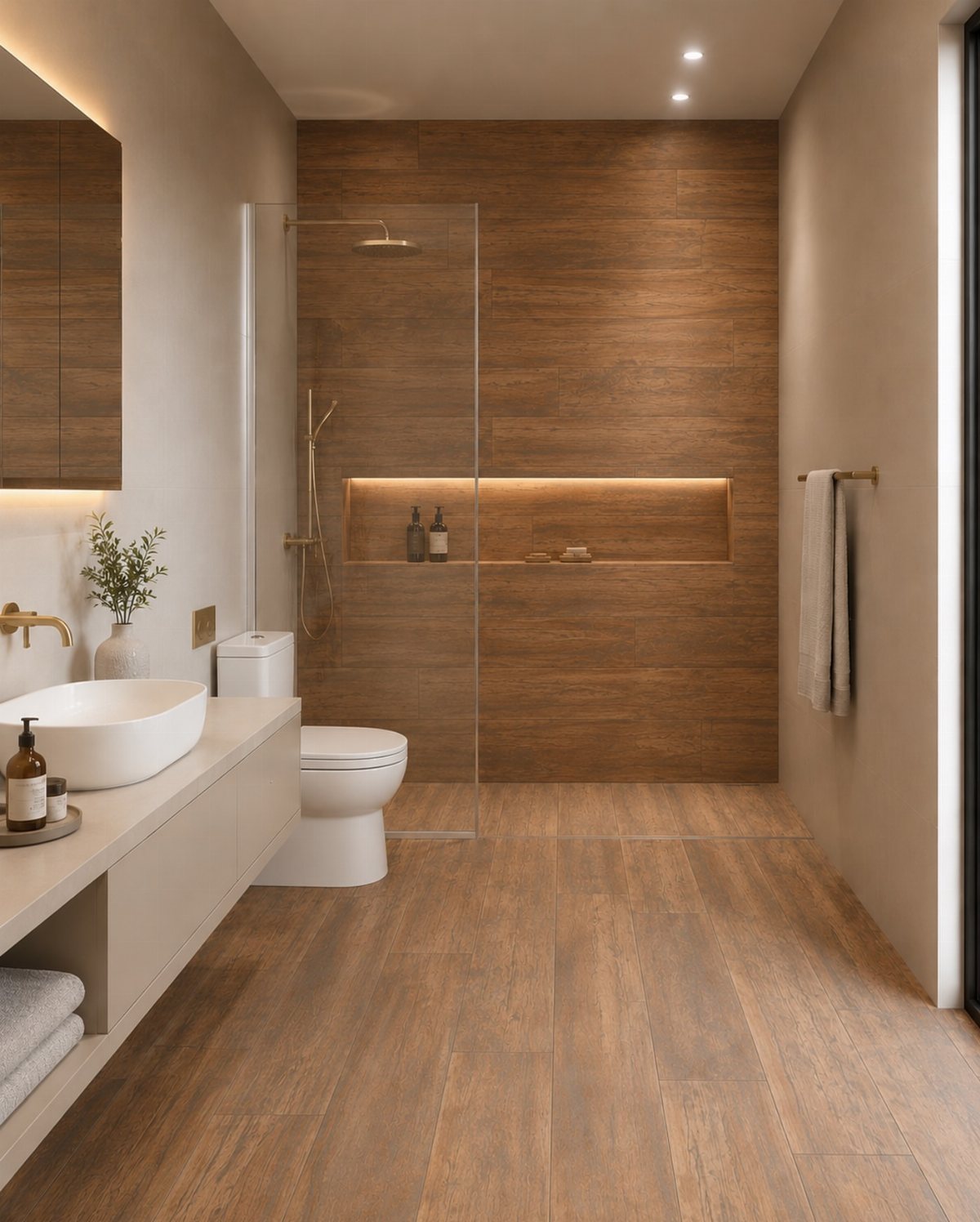
Wood-look porcelain gives you the grain and warmth without the swelling, rotting, and bacterial trapping that real wood invites in a bathroom.
The planks come in long rectangles that install like any floor tile, and the variety of grays, blondes, and espresso tones runs wide enough to match most vanities.
Texture is what separates the good ones from the ones that look like a printed photo. A heavily embossed surface feels more authentic underfoot but collects soap scum in the crevices.
A smoother glaze wipes clean in seconds. Check the slip-resistance rating if you are skipping bath mats, and order a single box to lay out against your wall tile before committing to the full batch.

Premium Quality Plank Porcelain Tile: 5"x24" premium quality plank porcelain tile with matte finish for floor and wall applications

Combines a timeless style and an enhanced color palette

3. Moroccan Zellige Tile
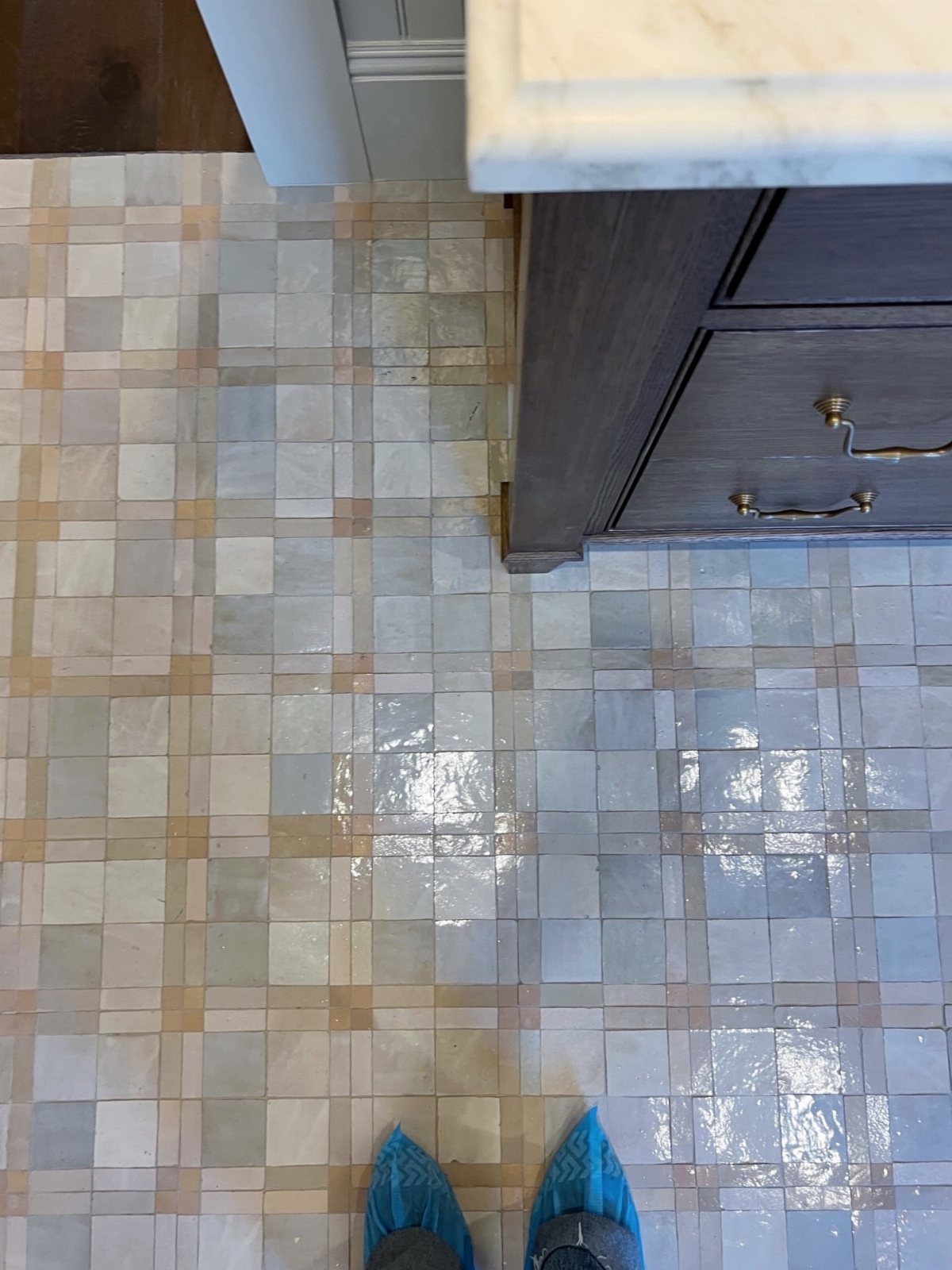
Hand-cut Moroccan zellige carries slight thickness variation and an uneven glaze that machine-made tile cannot replicate; the surface catches light differently across each square.
That irregularity is the point, but it also means wider grout joints and a more forgiving layout than precision tile demands.
This is not a quick weekend project. The glaze is brittle until set, and the handmade sizing requires a skilled setter or serious patience.
A floor like this looks collected over time rather than installed last Tuesday. Pair it with simple fixtures and let the tile be the one loud thing in the room.

𝐏𝐫𝐞𝐦𝐢𝐮𝐦 𝐕𝐢𝐧𝐲𝐥 𝐅𝐥𝐨𝐨𝐫𝐢𝐧𝐠 𝐑𝐨𝐥𝐥: Engineered with a robust 1mm thickness, this premium vinyl flooring roll is substantially more substantial than standard decorative stickers. Weighing a substantial 1.5 lbs, this heavyweight construction ensures the material stays flat and provides a high-quality, professional finish that stands up to the daily traffic of a busy home

FP2477 FONTAINE DESIGN - Blue tones bring distinctive style and personality to your space.

Moroccan inspired blue peel and stick floor tiles
4. Large-Format Herringbone Tile
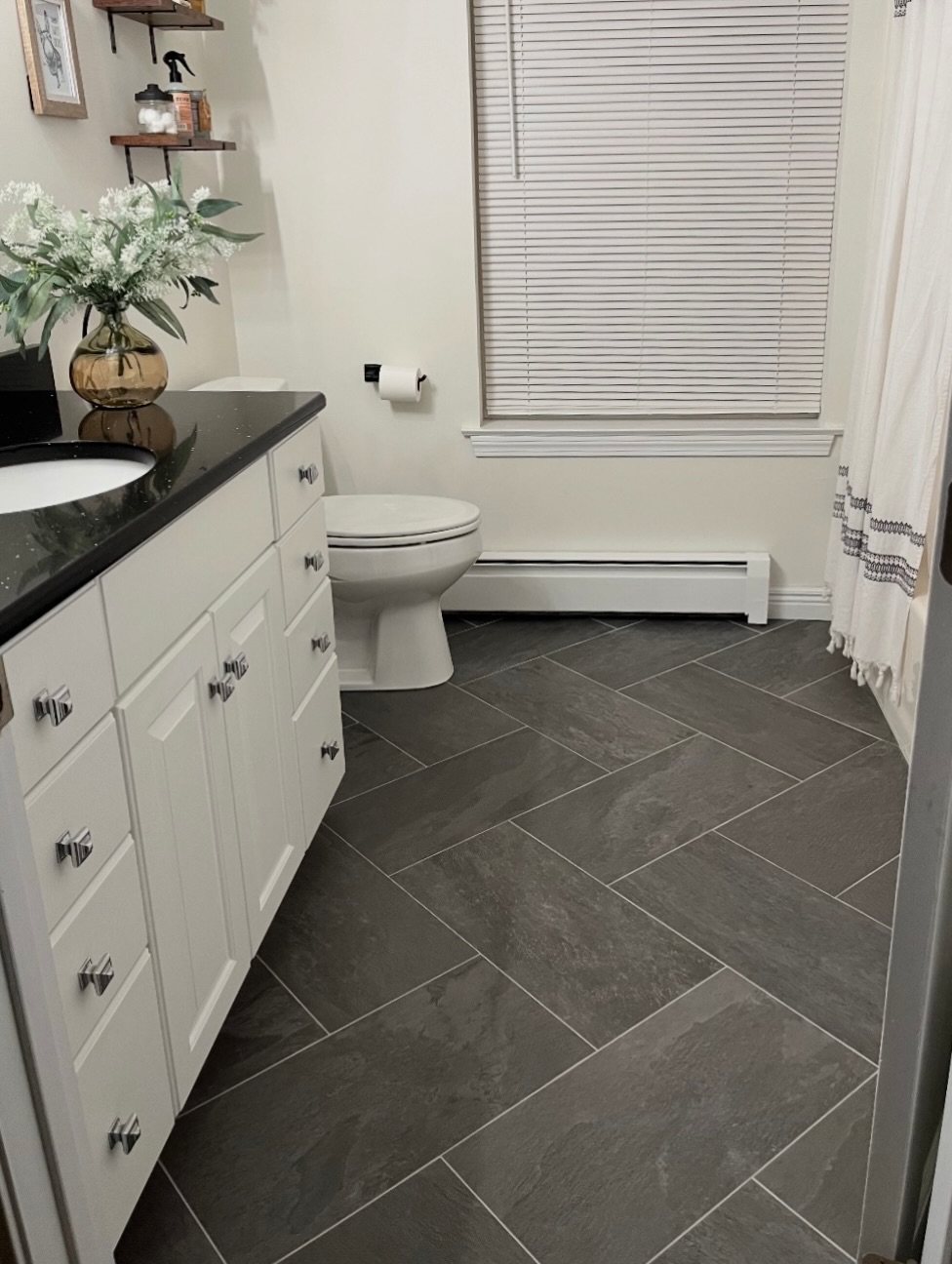
Herringbone at large scale moves the eye across the floor without the busyness of small pieces. A tile in this pattern reads as texture from the doorway, not a geometric statement, which keeps the room feeling wider than it is.
The layout eats more tile than a straight run; figure more overage than you would for a basic grid. You will also need a level subfloor, because any dip telegraphs through the long edges.
Running the same tile into the shower gives you that wet-room look, though the shower floor itself needs something smaller underfoot.

11.8 in. width x 10.8 in.length x 6mm thickness, 5 sheet per box, coverage 3.5 sq.ft. Please note that purchasing a minimum of 10% overage to account for design cuts and patterns.

🏡 Detail: Qty:4-tiles, White peel and stick backsplash herringbone, 3D subway tile design, easy to clean and cut, made of vinyl & clear gel, waterproof, removable, heat resistant, self adhesive. Size: 12x12 inch/tile, Thickness: 1.0mm.

✔【UNIQUE AESTHETICS】Modern herringbone peel and stick wall tiles offer greater artistic expression than normal tiles. They can be arranged in diverse patterns to create personalized designs. This adds movement and depth to spaces, making small areas appear more refined and spacious.
5. Natural Stone Marble Flooring
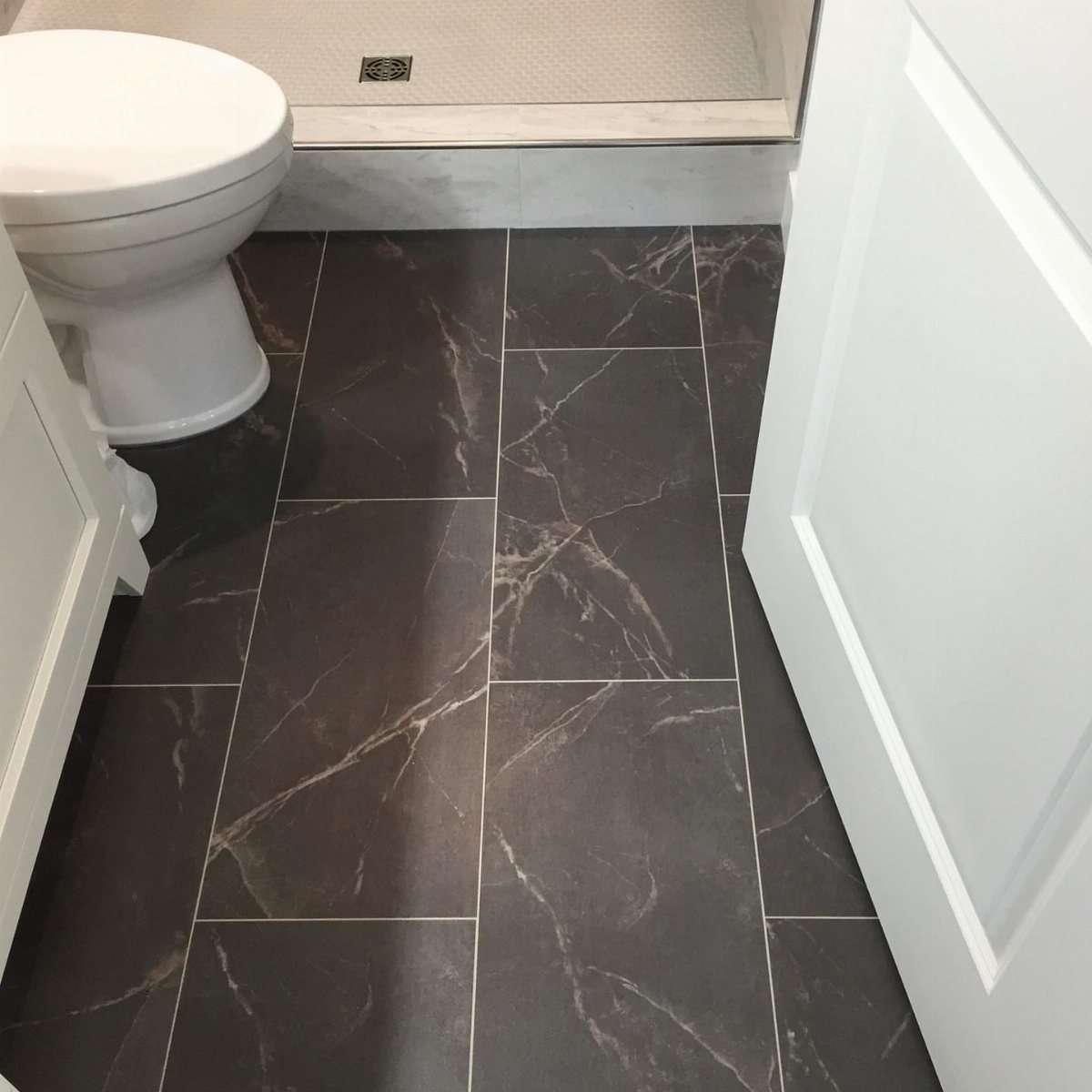
Marble on a bathroom floor is cold, hard, and demanding, and I still pause at every slab. The veining is genuinely unique; no two installations look alike, which matters when you are staring at the same floor every morning.
Travertine and granite trade some of that drama for easier maintenance, but all natural stone needs sealing on installation and resealing every year or two.
Acid etches the surface, so toothpaste splatter and citrus bath products are now your enemies. Small honed tiles offer better grip than large polished ones.
If you will not commit to the maintenance, porcelain marble-look tile has improved enough to fool a casual glance.
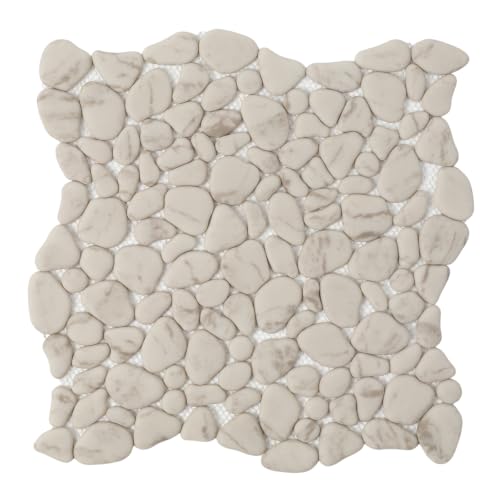
Package: Sheet Size: 12x12x0.24 inch (305x305x6mm), 8 Sheets/Box, 7 Sq.ft/Box. Usage: Made of low water absorption material and waterproof, these tiles offer versatility for wet or dry use, suitable for shower tiles, bathroom tiles, kitchen backsplash, fireplaces, spas, as well as outdoor walls and garden paths.

Substantial Size and Quantity: One of our distinct selling points is the substantial size and quantity of the fiberglass mosaic mesh. Each package comes with a mosaic mesh of about 36 x 118 inches/ 91.44 x 300 cm (W x L), tallying up to a generous coverage of 29 square feet. This is large enough to fulfill all your artistic needs, allowing your creative mind to wander without limitation

Mesh Back with Strong Adhesive: strong adhesive applied on the surface, it is easy to stick with the mosaic sheet
6. Concrete Flooring
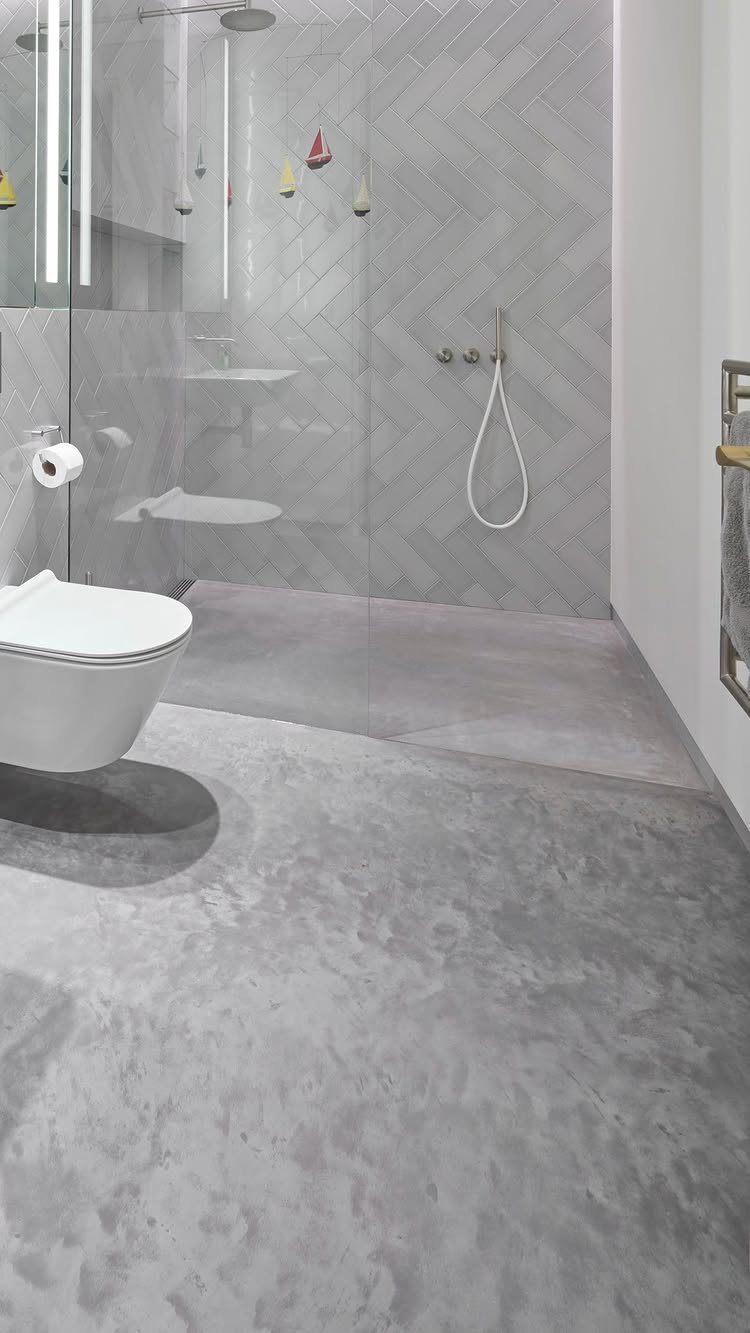
Poured concrete turns the entire bathroom into one continuous surface, including the shower, with no threshold to trip over and no grout lines to mildew.
The color and texture are decided before the pour; integral pigment runs through the slab, while stains sit on top and wear faster.
Curing takes days, not hours, and the floor stays cold without radiant heat underneath. A smooth polish looks sleek and is slippery when wet, so I would ask for a light broom finish or acid wash for grip.
This suits a full gut renovation, not a swap of an existing floor, because the weight and prep are substantial.

【TUB & TILE REFINISHING KIT】 Our tub and tile paint boasts an advanced acrylic formula designed for durability and longevity. The high-quality acrylic resin ensures a strong, resistant finish that combats flaking and wear, providing a lasting transformation for your tiles. This tub and tile paint is engineered to deliver professional-looking results.
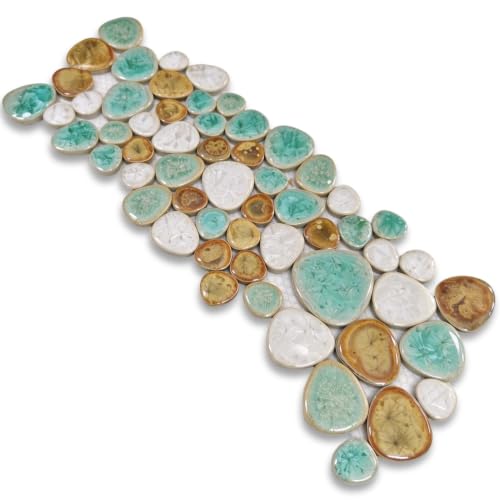
UNIQUE PEBBLE-INSPIRED DESIGN – Rounded, organic shapes and a mix of turquoise, creamy white, and warm beige create a relaxed, coastal-inspired look

FILL CHIPS. RESTORE A SMOOTH FINISH:Repair chipped edges, small holes, pits and minor surface cracks with this white porcelain sink repair kit. The compound fills missing material for a smooth, even repair—so one damaged spot doesn’t have to mean replacing the whole sink.
7. Hexagonal Tiles
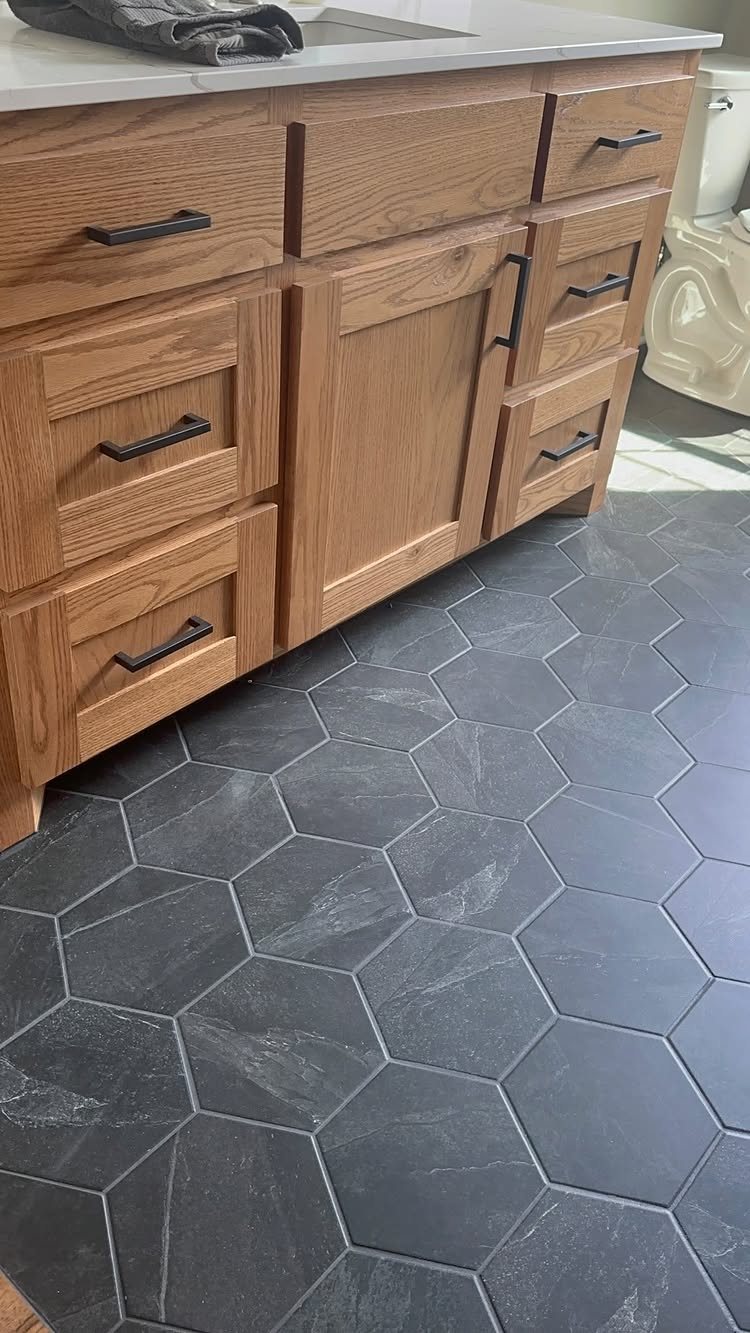
Hexagonal tiles break up the rigid grid you see in most bathrooms without getting fussy.
Slate-look hex tiles read almost like river stone but lay flat and even, which matters when you’re working with a weekend and a level that might not be laser-precise.
The six-sided shape hides small cutting errors better than square tile; your perimeter cuts distribute across more joints and disappear.
Dark colors like charcoal mask grout that shifts shade over time, though lighter hexes in cream or sage lean harder into vintage territory if that’s your aim.
Sheet-mounted hex tiles cut installation time over individual pieces. Check whether your chosen tile comes on mesh; some mid-century reproductions still ship loose, and that difference adds hours.
Grout with a float, not a bag, and the shape cleans up faster than you’d guess from all those edges.

Plank Porcelain Tile Dimensions: 6" x 24" plank porcelain tile suitable for kitchen backsplashes, walls, and floors

Safe for All Natural Stone – Gently cleans marble, travertine, granite, slate, limestone, ceramic, and porcelain tile without damage or dulling the surface.
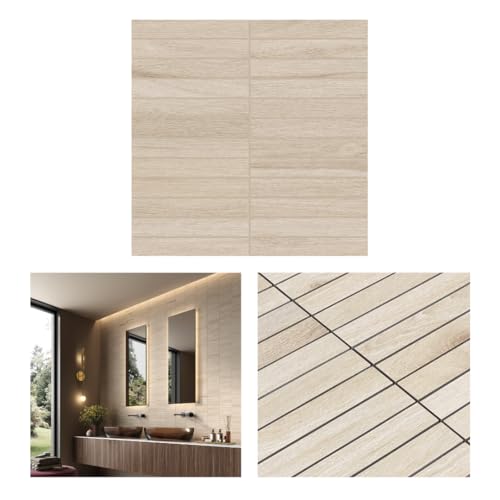
Premium Porcelain Mosaic Tile: Crafted from high-quality porcelain with a matte beige finish, delivering a stunning wood-look design that complements any home or office décor.
8. Terrazzo
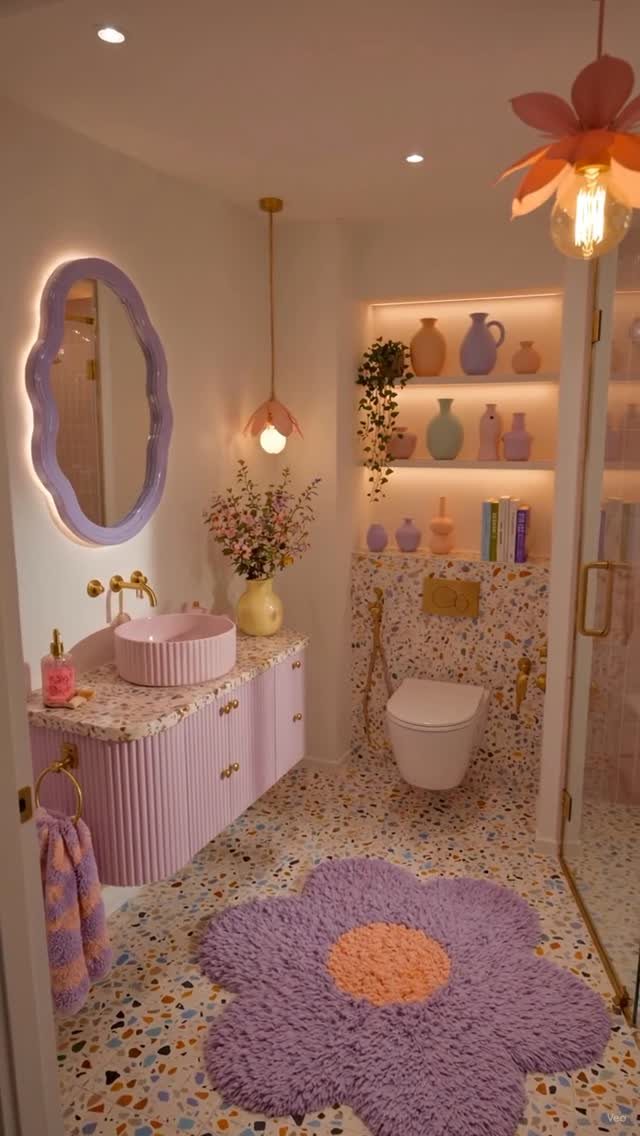
Terrazzo looks like someone swept up a marble quarry’s best leftovers and pressed them into something beautiful, which is roughly how Italian craftspeople invented it in the 1500s.
The poured version still exists and still costs accordingly; for a bathroom refresh under a thousand dollars, tile is the practical path.
Resin-based terrazzo tile resists water without sealing, while cement-based demands that maintenance step every few years. The distinction matters less in a powder room than a steam-heavy main bath, where standing water finds every porous surface.
Large chips read bolder; fine speckle reads quieter and shows less grime between moppings.
Pastel terrazzo goes loud with color, but neutral terrazzo in gray or cream behaves like a textural solid, easier to build around if you change paint or towels seasonally.
Either way, the surface wears hard and cleans simple, which is why airports and schools have used it for decades.

Peel and Stick Hexagon Floor Tiles with Vintage Moroccan Mosaic Pattern: Each tile features a detailed hexagon mosaic design in mixed earthy brown, beige and sage tones with a distressed finish, capturing authentic vintage tile aesthetics for kitchen floors, bathroom surfaces, entryway and bedroom accent areas without permanent installation.
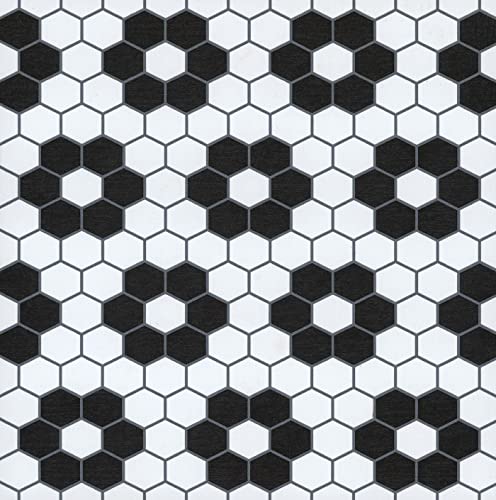
BISCOTTO DESIGN - Black tones and the biscotto pattern bring distinctive style and personality to your space.

𝗧𝗶𝗹𝗲 𝗠𝗮𝘁𝗲𝗿𝗶𝗮𝗹 𝗮𝗻𝗱 𝗙𝗶𝗻𝗶𝘀𝗵: White zellige subway ceramic tile with a polished finish that reflects light and brightens the room. Each piece is kiln-fired ceramic with a glazed face, so the surface is sealed against everyday splashes and wipes clean. Ceramic wall tile is lighter and easier to cut than porcelain, which makes it a practical choice for backsplashes and wall projects.
9. Green and White Patterned Tile
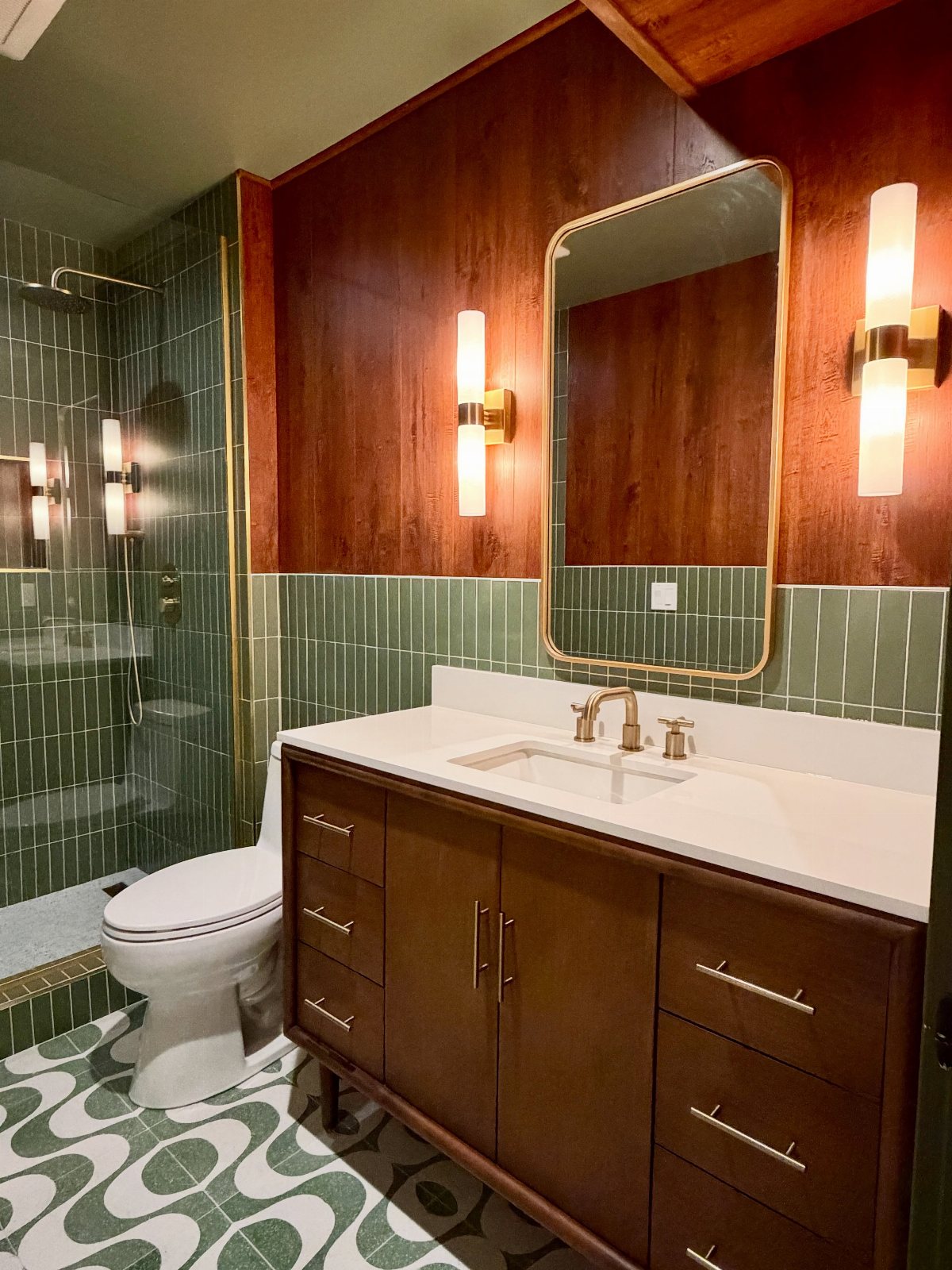
Patterned floor tile risks becoming the only thing anyone sees in a room, which works fine if you want that.
Green and white patterned tile stays grounded by echoing the wainscoting color; the pattern carries the interest, not a clash of hues.
Cement tiles like these patina and soften over years, developing a lived-in surface that porcelain mimics but doesn’t achieve. The trade is maintenance: cement needs sealing, and acidic cleaners etch it.
For a rental or a household that reaches for the strongest bottle under the sink, porcelain reproduction of the same pattern holds color longer with less fuss.
Small bathrooms actually suit bold pattern better than large ones; fewer square feet means less visual noise overall.
I’d test one box against your wall color in actual light before committing, since greens shift dramatically between morning window and evening bulb.

FULL COVERAGE PACK – Includes 24 sheets of 8"x8" peel and stick wallpaper tiles. One package covers 10.67 sq. ft. (1,536 sq. in.), perfect for kitchen backsplashes, wall décor, and creative DIY projects.

Not a TILE product, it’s a PVC sticker - applied on floor/walls for home DIY decoration or renovation

【Size】12"x12" each sheet. 10 sheets pvc marble tiles per pack. Cover 7.7 square feet. Please consider cutting loss 3-5% in every DIY project.
10. Mosaic Tiles

Mosaic tiles earn their keep where you need grip underfoot and don’t mind the cleaning trade.
Small tiles mean more grout lines, and grout lines mean texture that catches a wet heel; penny rounds and hex mosaics both rate higher for slip resistance than large polished squares.
For most hands-on renovators, a simple running bond or basketweave in stone or ceramic hits the same textural note without the custom order wait or the artisan install cost.
Waterjet-cut mosaics in marble with glass or metal inlay exist if you want statement flooring, though I’d reserve that investment for a powder room where traffic stays light and the door stays open to guests.
Check your subfloor flatness before choosing mosaic; lippage across uneven concrete telegraphs through small tiles worse than large format.

Package: Sheet Size: 11.8x11.8x3/16 inch (300x300x5mm), 5 Sheets/Box, 4.8 Sq.ft/Box.

𝗧𝗶𝗹𝗲 𝗠𝗮𝘁𝗲𝗿𝗶𝗮𝗹 𝗮𝗻𝗱 𝗙𝗶𝗻𝗶𝘀𝗵: Cobalt blue 1x1 square mosaic glass tile. Glass is non-porous, so it will not absorb water, stains, or odors, and the color reads with depth because light passes into the chips instead of sitting on a painted surface. The mesh backing holds every chip in alignment, so the pattern repeats cleanly sheet to sheet. The color stays consistent from sheet to sheet and box to box, so repeat orders and later repairs match.

Sturdy and Rigid Design: Made from high-hardness plastic, this mosaic mesh ensures exceptional durability, staying perfectly flat and stable over time. It firmly holds mosaic and glass tile sheets without bending or warping, guaranteeing a long-lasting and visually perfect layout.
11. Bold Mid-Century Modern Patterns
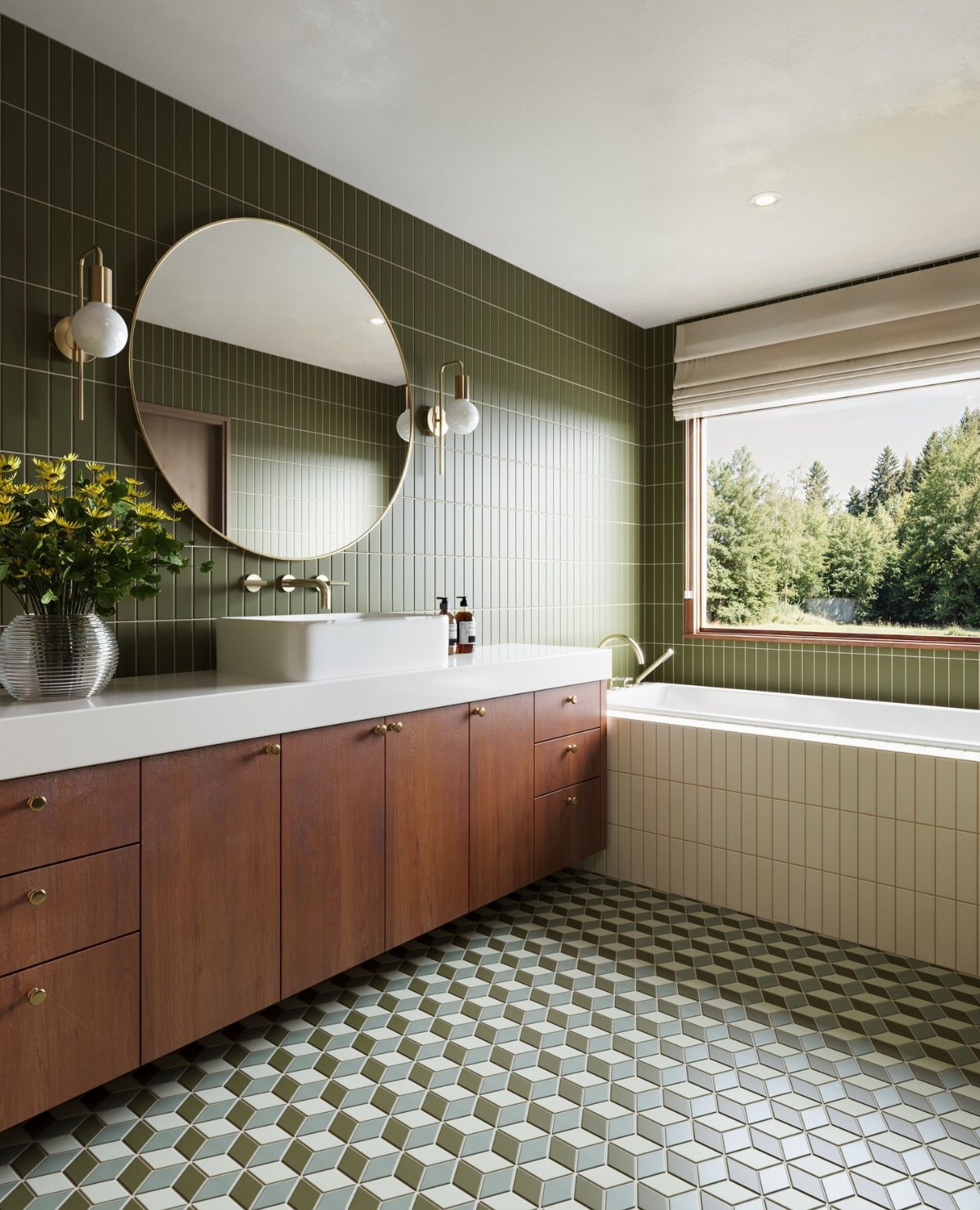
Bold geometric flooring works when the rest of the room knows its place. Keep walls to subway tile and wood tone, letting the floor carry the mid-century voice without shouting over conversation.
Three-dimensional patterning in tile is almost always visual trickery, not actual relief; the surface lays flat for cleaning and safety. That matters if you’re drawn to the look but worried about grime catching in recesses.
Porcelain prints the pattern, glaze protects it, and a mop glides across like any other tile.
Orange and black combinations exist for braver souls than me; I’d steer toward the green and white shown, or charcoal and cream, for a pattern that survives a paint change or vanity swap.
The real test is living with it before coffee, not just styled for a photograph.
Order a single tile if you can, or at least view it in room light, because saturated color on a small sample reads different than across a floor.
12. Pretty Pink Blossoms Ceramic Tiles
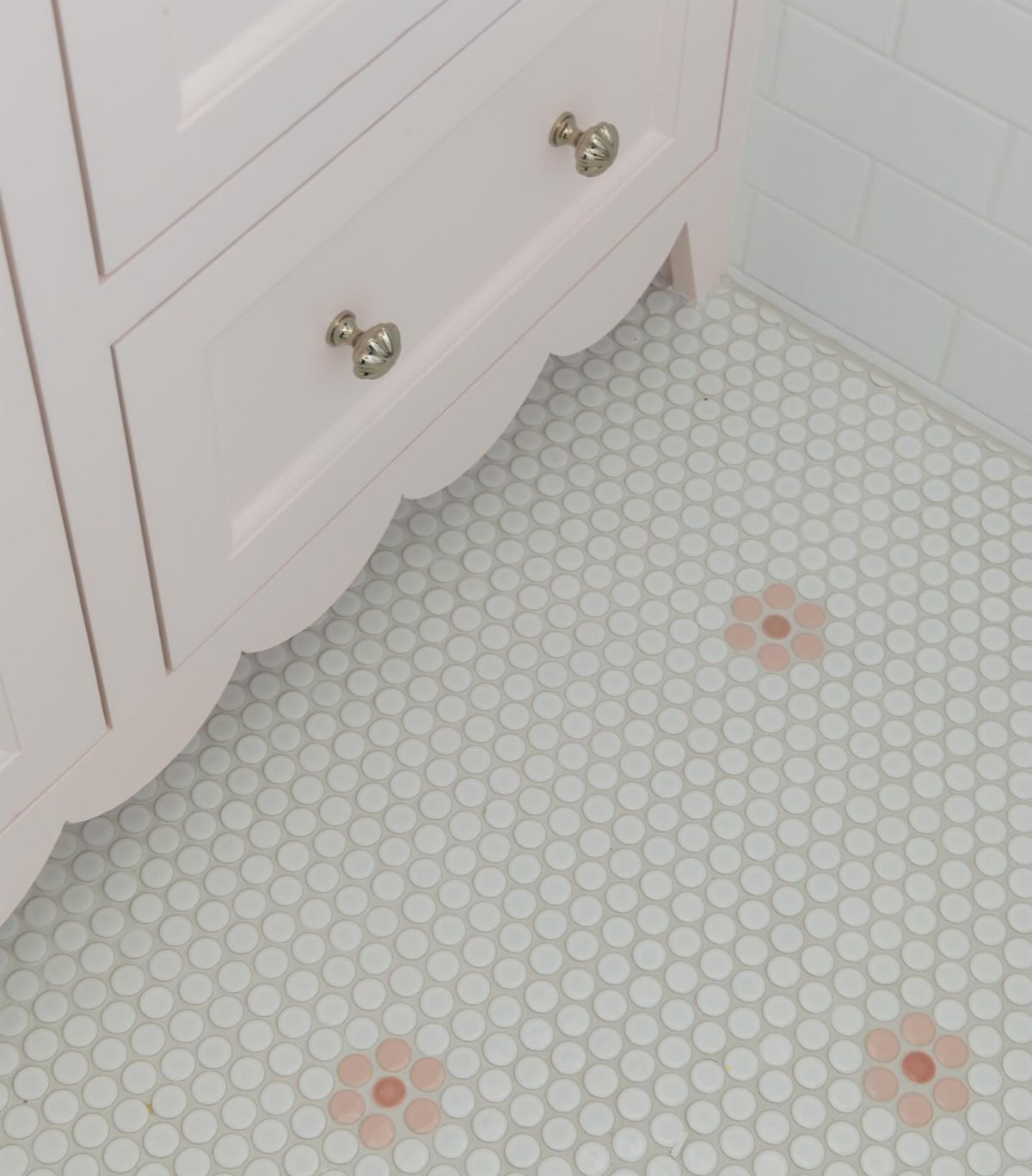
Penny rounds with a scattered motif solve a problem I didn’t know I had until I saw them: plain small tile reads busy without reading interesting. Pink blossoms break the field just enough, like confetti that stayed where it landed.
Mesh backing speeds installation to genuine DIY territory; peel a sheet, butter the floor, press and shift before the thinset skins.
Removing individual tiles from the mesh to customize spacing or cluster the pattern differently takes more patience than the standard install but lets you thicken the floral moments where feet don’t land or thin them for calmer sightlines.
Gloss finish reflects light in a small bathroom, which white subway wall tile uses to keep the pink from going saccharine. Matte penny rounds in this palette would read more powder room, more deliberately retro.
For a rental or resale, I’d probably go matte and neutral; for a house I’m staying in, glossy and playful wins.
Choosing Bathroom Flooring
Water resistance is the first filter, not the last. A material that handles standing water buys you time if a toilet valve fails or a kid overflows a tub, but waterproof and water-resistant are different guarantees.
Porcelain sits on the waterproof side of that line; cement-based terrazzo and natural stone sit on the resistant side and need sealing to stay there.
Durability in a bathroom means surviving both traffic and chemistry. Porcelain and resin-based terrazzo handle the acids and citrus that etch marble and cement tile.
Factor that in before you fall for a material.
Safety shows up in slip-resistance ratings and surface texture.
Style and budget pull in opposite directions often enough. Handmade zellige and poured terrazzo run toward the high end in both material and labor; sheet-mounted hex tiles and running bond ceramics keep costs down for a small bathroom.
Installation Considerations
Some bathroom floors are weekend projects and some are not, and the difference is usually in the cutting and the layout.
Sheet-mounted mosaic tiles, large squares in running bond, and wood-look planks in a straight lay all fall within patient DIY territory if the subfloor is flat and you rent the right saw.
Patterns that demand precision eat time fast. Small bathrooms actually forgive less here because there is nowhere for error to hide.
Handmade tile adds another layer. Poured concrete is not a swap at all.
It needs substantial prep, days of curing, and often radiant heat to offset the cold slab.
If you are hiring out, the real cost spike is labor, not tile. A low material price turns expensive fast when the installer finds rot or dips that need fixing first.
Maintenance Tips
Sealing is the maintenance task most owners skip until damage shows. Resin-based terrazzo and porcelain skip this entirely, which is part of their appeal in a steam-heavy main bath.
Acid is the hidden enemy. Toothpaste, citrus bath products, and strong cleaners etch marble and cement glaze.
Wipe splatters promptly and read bottle labels before you spray.
Grout lines define your cleaning rhythm. More lines mean more texture for safety but more surface for mildew and soap scum; large format minimizes both.
Dark grout on light tile emphasizes the pattern but also shows efflorescence and shifting shade over time.
Embossed wood-look texture and mosaic crevices need more attention. A broom-finished or acid-washed concrete surface adds grip but also collects more than a polished slab; match your tolerance for detail work to your floor’s texture.
Current Trends
Large-format tile is the current move for expanding a small bathroom visually.
Pattern is back but softer than before. Checkerboard and herringbone read as updated classics when the contrast stays muted; bold mid-century geometry works when walls and fixtures stay quiet.
Green, blue, and warm earth tones are pulling ahead of all-white or gray palettes for owners who want character without shouting.
Contrasting grout is a detail that changes the whole room. Matching grout quiets the floor into a near-solid surface where dark grout would emphasize shape and layout.
Both are current; the choice depends on whether you want the floor to speak first or last.
Choosing bathroom tiles is kind of like picking an outfit—you want it to look fabulous but also handle a splash or two.
Frequently Asked Questions
What flooring looks best in a bathroom?
Ceramic and porcelain tile handle steam and splashing better than almost anything, and wood-look porcelain gives you warmth without the rot and swelling of real wood.
I’d skip wall-to-wall carpet and untreated solid hardwood entirely; both trap moisture and invite mold.
Porcelain tile that mimics marble has gotten convincing enough to fool anyone who isn’t kneeling down with a magnifying glass, and it skips the sealing and staining headaches that come with real stone.
Should a bathroom floor be lighter or darker than the walls?
Either works if you commit to the logic. A darker floor grounds the room and hides water spots and grout shift between cleanings; charcoal hex tiles or terracotta do this well.
A lighter floor, especially glossy white or cream, bounces light around and makes a small bathroom feel larger, though it shows every hair and droplet. I’d let the tile pattern or material drive the choice rather than forcing a rule.
What is the most affordable way to cover a bathroom floor?
Floor paint runs cheapest, sometimes under a hundred dollars for a small bathroom, though it chips and needs touch-ups and I’d treat it as temporary.
Peel-and-stick vinyl tiles cost more than paint but install without thinset or saws, and you can lay them in a genuine weekend.
Neither matches the lifespan of porcelain or ceramic, but both buy you time if the budget is tight and the project is now.