White oak floors in a kitchen can run from a pale, barely-there stain to honey-toned natural planks, and from straight lay to herringbone that eats up extra material on every cut.
Matte sealants on white oak hide the daily grit better than anything glossy, and they keep the floor from looking like a showroom sample in a room that actually gets used.
Light cabinets against the floor or a black island dropped in the middle both depend on what the windows give you: enough sun to absorb, or too little and you need every surface to throw it back.
1. Natural Tones White Oak Floors
Wide-plank white oak in its natural tone runs from beige into honey, and that range is what makes it forgiving against cabinets that lean warmer or cooler.
Floor and cabinet tones that sit close together feel connected without matching exactly, which keeps a kitchen from looking like a furniture set.
Engineered construction matters here more than solid plank if you are laying over concrete or radiant heat.
The plywood or HDF core limits how much the boards swell and shrink, and wider planks, 7 1/2 inches in one premium line, come more readily in engineered stock.
A cleaner grade with fewer knots reads more modern; more character keeps it rustic.
I would put the cleaner grade in a kitchen with a lot of stainless steel and stone, where the floor needs to hold its own against strong textures.
More knots and streaks suit a softer room with painted cabinets and fabric.

𝐏𝐫𝐨𝐝𝐮𝐜𝐭 𝐃𝐞𝐭𝐚𝐢𝐥𝐬: Wood contact paper, beige wood wallpaper, matte finish, textured, made of thick vinyl, durable, air bubble free...
2. Modern White Oak Flooring
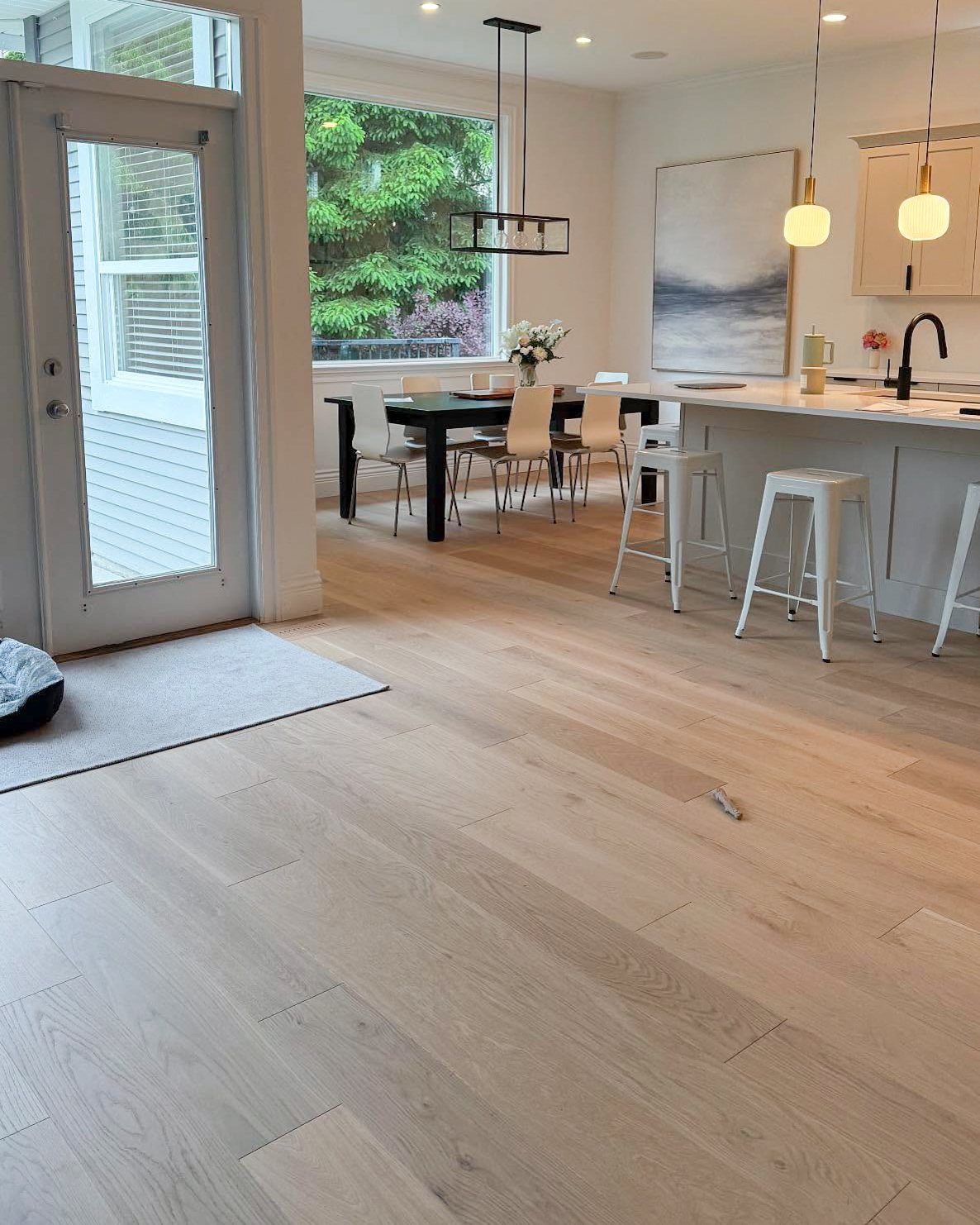
Modern white oak flooring gets its look as much from the finish as from the wood itself.
A pale, barely-there stain keeps the grain visible but suppresses the yellow that can read dated; matte or low-sheen sealants avoid the plastic glow of high-gloss polyurethane.
Boards that run long and wide read expensive even when the material itself is mid-range. The real cost driver is installation, especially if your subfloor needs leveling.
Check whether your quote includes moisture barrier and underlayment; in open-plan spaces, the transition to other flooring becomes its own design problem.
White or soft grey Shaker cabinets with black hardware sit naturally against this floor. Navy or charcoal work too, though they shift the room darker.
For a kitchen that sees heavy use, proper sealing matters more than the wood grade; unsealed white oak stains.

THIS IS A FLOORING SAMPLE - Cut from an actual full-size Sierra White Oak plank so you can see the true color, grain variation, and wire-brushed texture before purchasing.
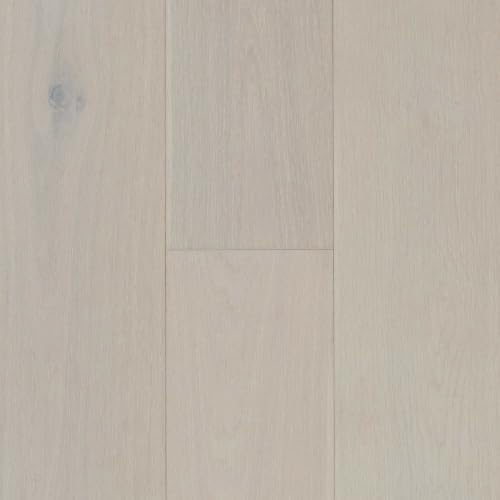
THIS IS A FLOORING SAMPLE - Cut from an actual full-size Aspen White Oak plank so you can see the true color, grain variation, and wire-brushed texture before purchasing.
3. Two-tone Cabinetry
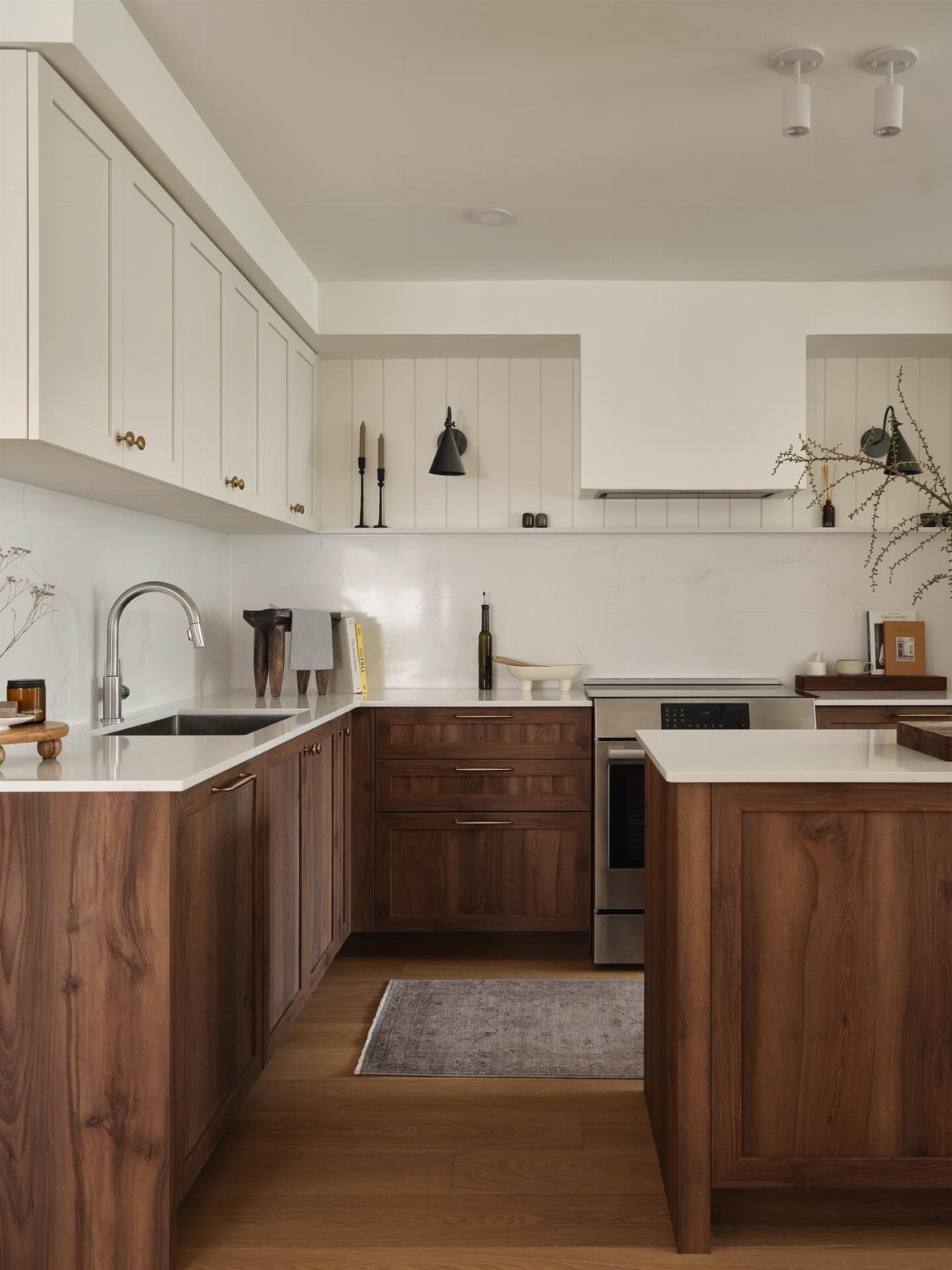
Two-tone cabinetry solves the problem of wanting warmth without heaviness. Dark wood below and white above grounds the room where feet and vacuum scuffs actually hit while keeping the upper half open to light.
The rule that holds: darker on bottom, lighter on top. Reversing it can make the ceiling feel low and the floor insubstantial.
The contrast does not need to be extreme; a moderate gap between the tones reads as intentional rather than mismatched.
If you are painting existing cabinets, this is the least risky way to experiment with color. The lower cabinets take the harder wear, so the darker shade hides touch-ups.
Uppers in white or pale wood reflect daylight back into the room, which matters in kitchens with limited window area.

【Easy DIY Installation】GreenFullHouse peel and stick flooring comes with strong built-in adhesive, no extra glue or special tools needed. Just clean the flat surface, peel the backing, press firmly, and installation is done fast.

Textured & Versatile: Available in popular wood look with a natural matte finish that replicates the authentic feel of natural materials. The luxury vinyl plank flooring seamlessly complements Nordic, modern minimalist, industrial and other trending decor styles, instantly elevating the overall aesthetic of any space. Ideal for living rooms, bedrooms, kitchens and more.
4. Flat-panel Cabinets
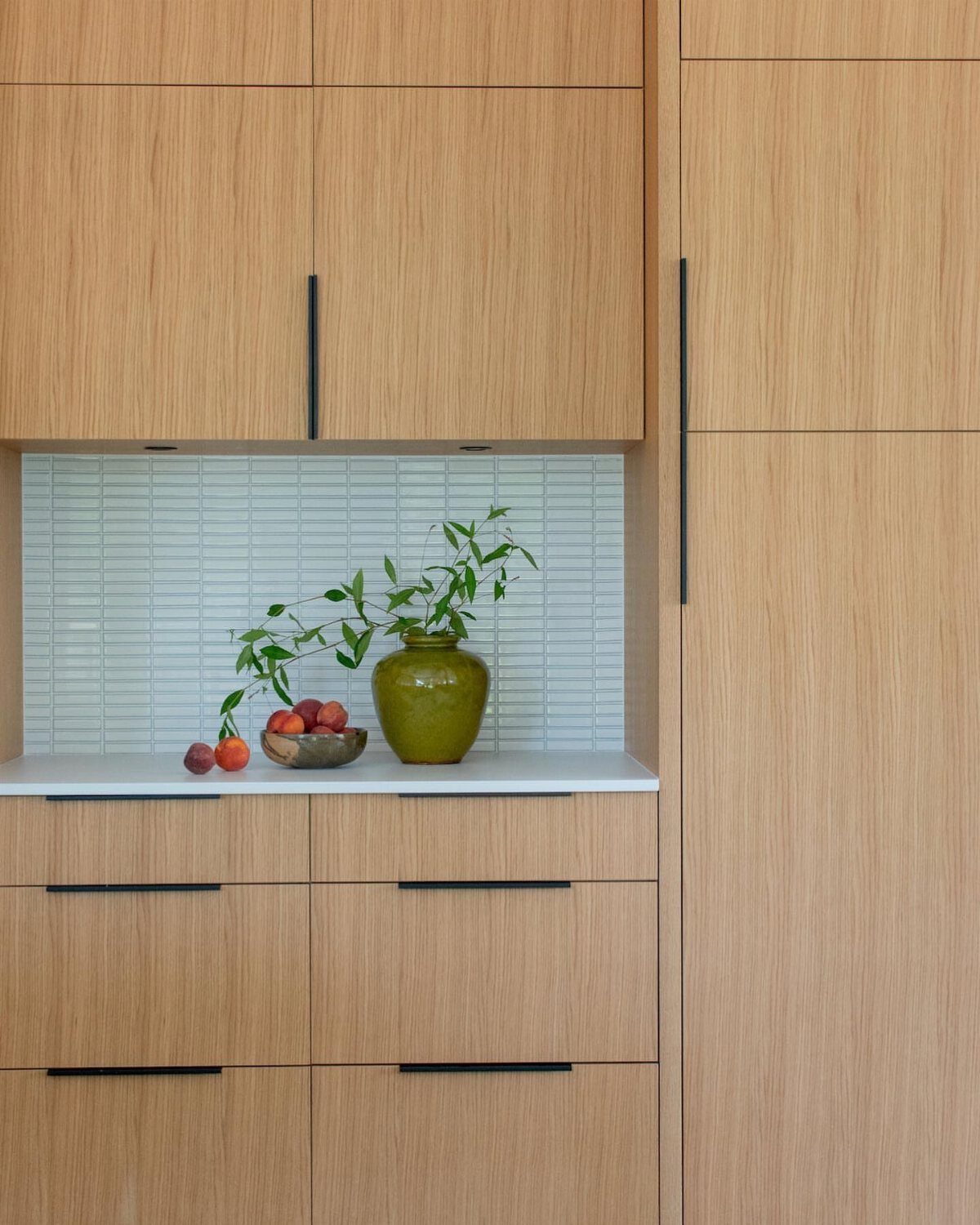
Flat-panel cabinets, sometimes called slab, strip away the frame-and-recess that defines traditional doors. What remains is the surface itself, which makes the material choice visible in a way Shaker or raised-panel styles do not.
White oak finished clear or lightly tinted, with slim black pulls that read as punctuation rather than hardware. Without the visual busyness of a frame, the grain pattern becomes the decoration.
Matte finish keeps it quiet; high-gloss pushes contemporary but shows every fingerprint.
This is the cabinet style that most trusts the wood. If your white oak flooring has strong figuring, flat-panel cabinets in a similar tone can feel like an extension of the floor upward.
The risk is monotony, which the photo avoids through the white countertop and the black vertical accents of the pulls.


✔ Self sealing adhesive tape for ease of installation

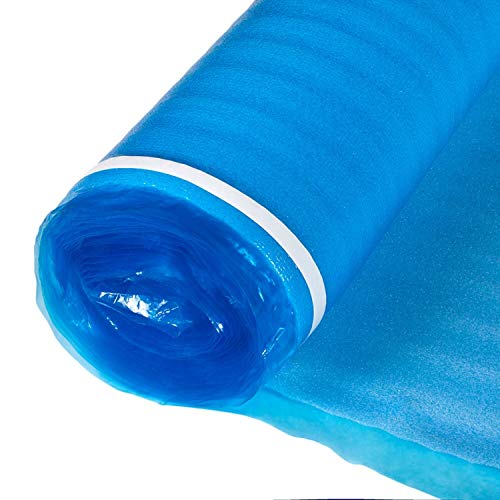
COVERS LARGE AREAS – Each roll of this flooring underlayment covers 200 sq ft and is 3 mm thick, providing a thick underlayment layer with an integrated moisture barrier for enhanced floor protection.
5. Herringbone White Oak Floors
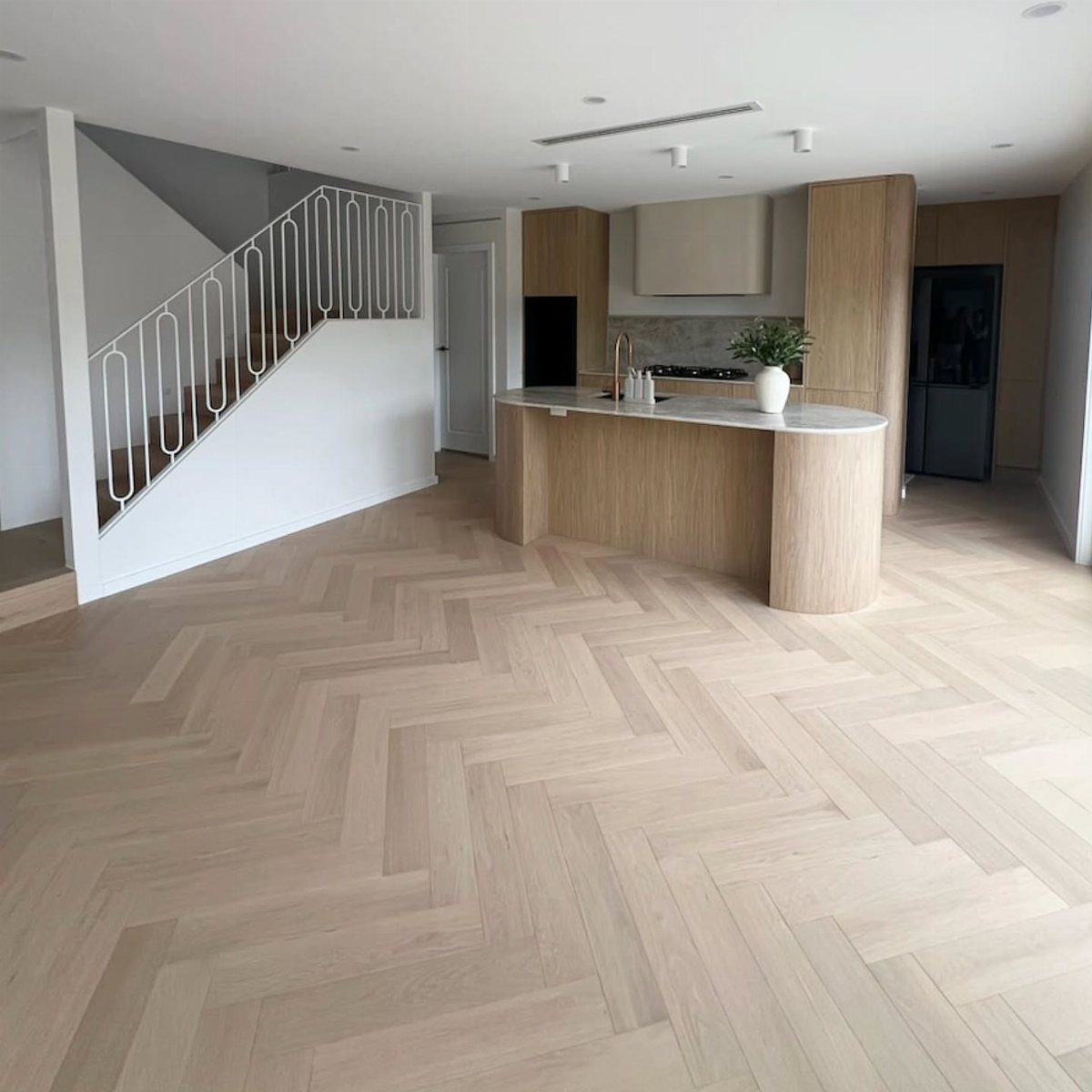
Herringbone white oak floors read as deliberate in a way straight plank does not.
The pattern creates movement that draws the eye through the room, which helps in long, open plans where the kitchen needs to claim its own territory without walls.
Running herringbone toward the living area visually links the two zones. The angle matters: a sharper layout feels most traditional, while squared or variant angles shift more modern.
More cuts mean more waste above straight plank, and the subfloor must be flatter because every short edge sits exposed.
This pattern suits a kitchen where the floor is meant to be noticed. In a busy household with small children or large dogs, the visual activity of herringbone can hide the wear that shows first on plain, wide boards.
For a quieter room, the same wood in straight plank lets other elements, a bold island or statement lighting, take focus instead.

Experience the fast and easy way to finish wood

Water-based wood stain creates rich, even color in 1 coat on most surfaces

One-coat color dries in 1 hour
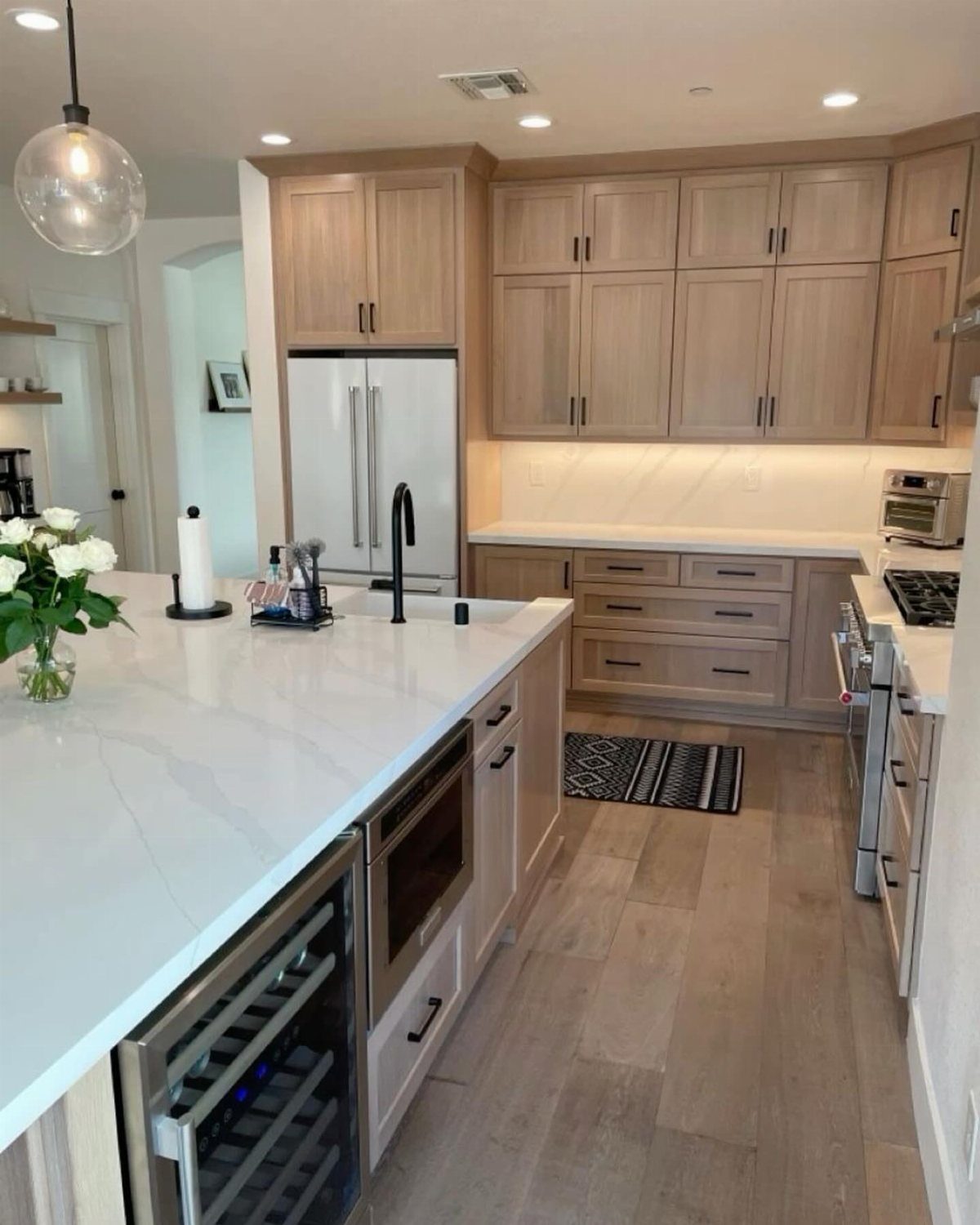
6. Matching Light Wood Cabinets
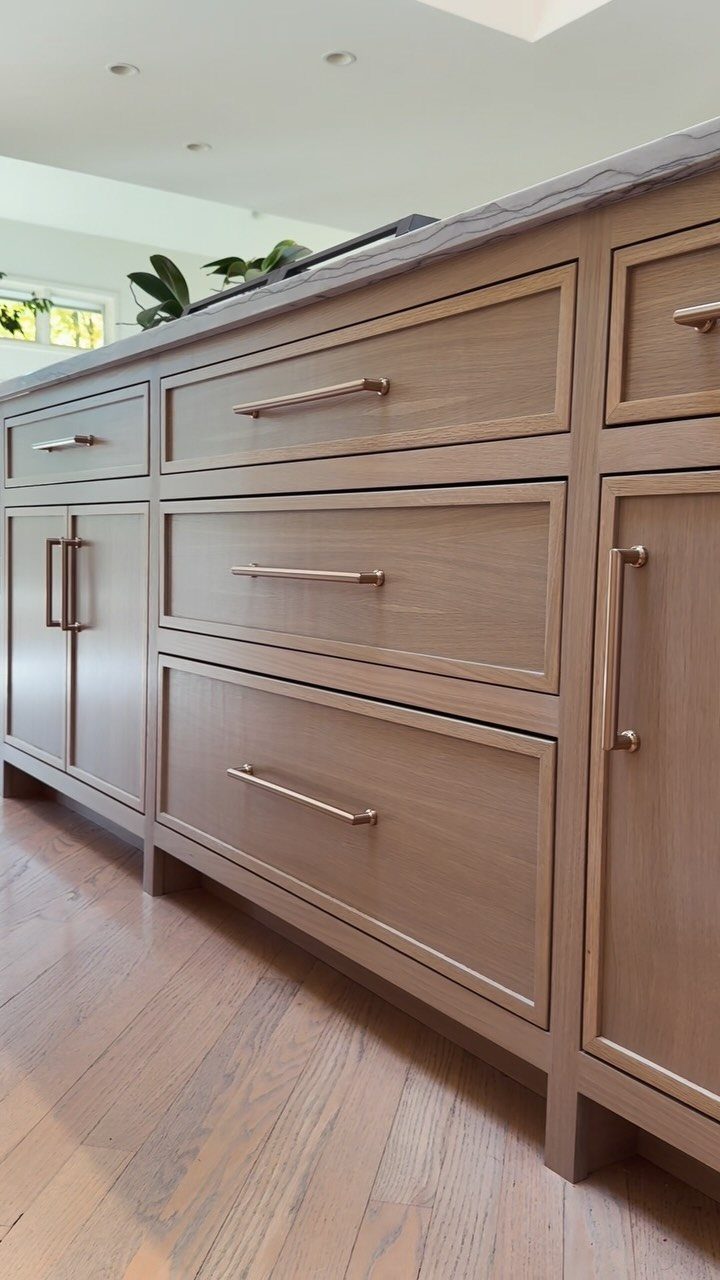
Matching light wood cabinets to light wood floors risks a wash of sameness, but variation in tone and texture avoids it.
The floor reads slightly cooler and more varied than the cabinet faces, which keeps the two surfaces from flattening into one plane.
Hardware becomes critical here. Long, thin metal pulls add linear contrast and a slightly industrial note that keeps the wood from feeling too serene.
Without them, the room can slip toward bland; with too ornate a choice, the simplicity of the material pairing fights the detail.
I would reserve this combination for kitchens with strong natural light and at least one contrasting element, a dark countertop or a painted wall. In dim spaces, the pale wood on pale wood can feel institutional.
If your floor is already down, bring a sample of it to the cabinet showroom; the match that looks right under store lighting may shift at home.

【Perfect solution for your walls】Forbena 36 inch white oak floating shelves are 3 SAME SIZE boards (35.4" x 7.8" x 1.2") and made of medium density fiberboard (MDF) with laminate matte finish, are a great addition if you need extra storage space or if you want to add wall decors. These 36-inch wall shelves can free up floor & counter spaces and make places much tidier and neater.
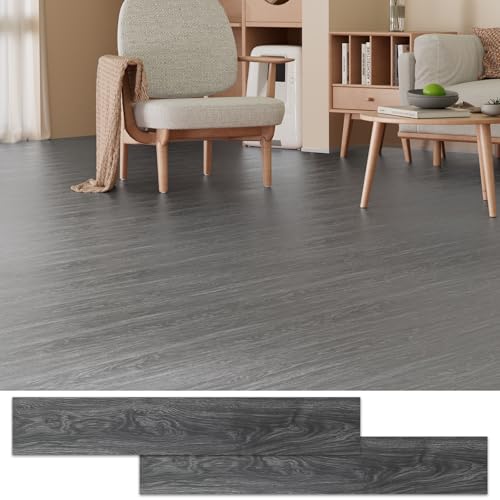
Textured & Versatile: Available in popular wood look with a natural matte finish that replicates the authentic feel of natural materials. The luxury vinyl plank flooring seamlessly complements Nordic, modern minimalist, industrial and other trending decor styles, instantly elevating the overall aesthetic of any space. Ideal for living rooms, bedrooms, kitchens and more.
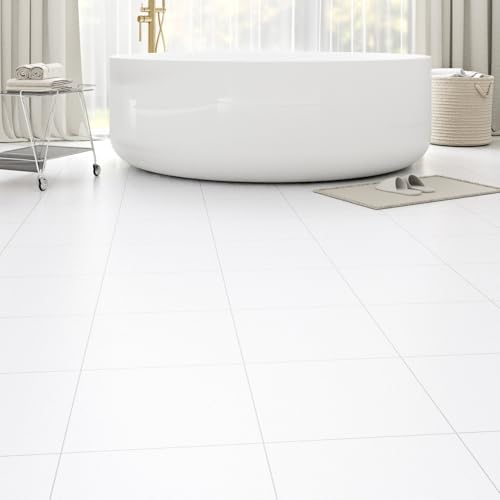
【Versatile Usage】: Pure White marble peel and stick flooring stickers are very versatile in matching, can be blended with various interior decoration styles to create a stylish and comfortable space, such as modern minimalist, industrial or Scandinavian style. Adhesive and peel-and-stick floor tiles can be used for indoor flooring, laundry room, living room, offices, furniture, cabinets, RV floors and other flooring decorations.
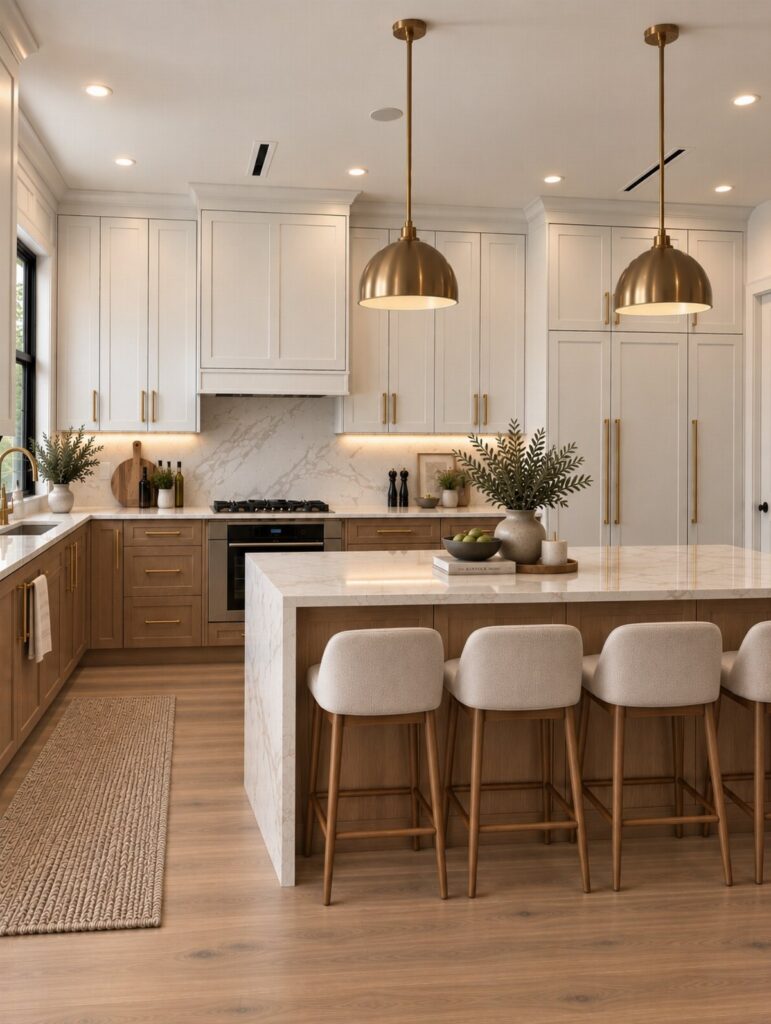
7. White Cabinets with Gold Hardware
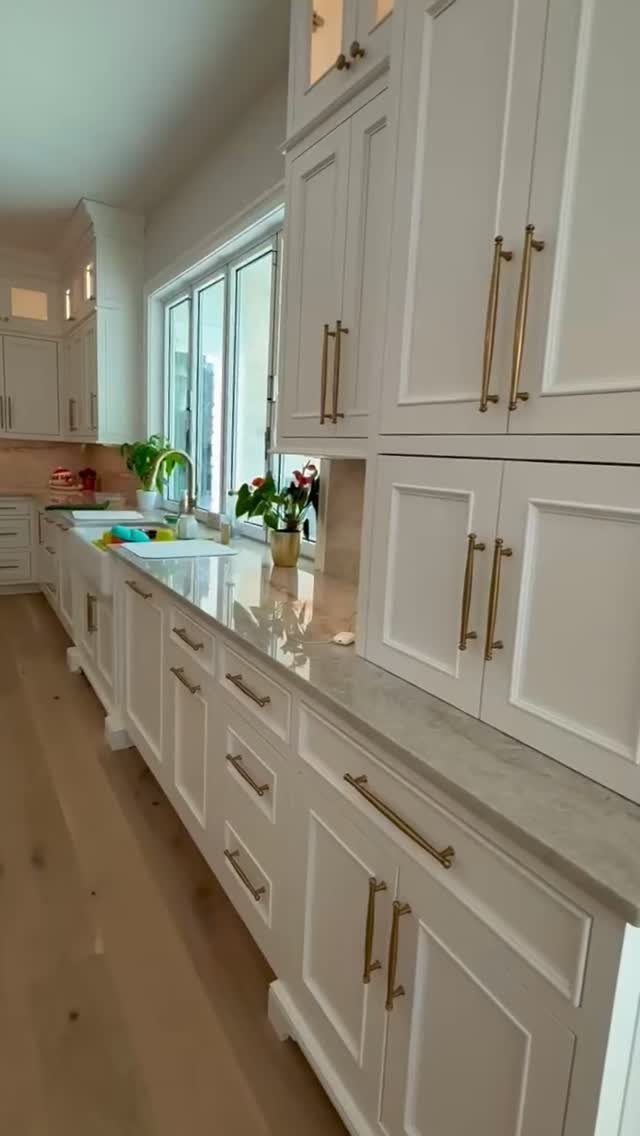
Brushed gold hardware on white shaker cabinets picks up the honey tones in white oak without matching them exactly. The warmth reads intentional, not accidental.
matte black reads sharper and more modern; polished nickel stays cooler and more transitional. Gold sits in the middle, and it ages better than the trendy finishes that come and go each season.
A long bank of uppers needs pulls with real presence; anything too small gets lost on full-height doors. I’d order samples of two finishes and live with them for a weekend before committing.
The wrong metal is a cheap mistake that feels expensive every time you reach for a coffee mug.

Sample Package Contents: This listing includes 2 pieces of wood floor samples measuring 7 inches by 8 inches each

Premium European Oak Construction: 7” wide samples from Flooret’s Silvan Resilient Hardwood Collection—crafted from sustainably sourced European white oak for timeless character and strength.

THIS IS A FLOORING SAMPLE - Cut from an actual full-size Victoria White Oak plank so you can see the true color, grain variation, and wire-brushed texture before purchasing.
8. All-White Cabinets and Island
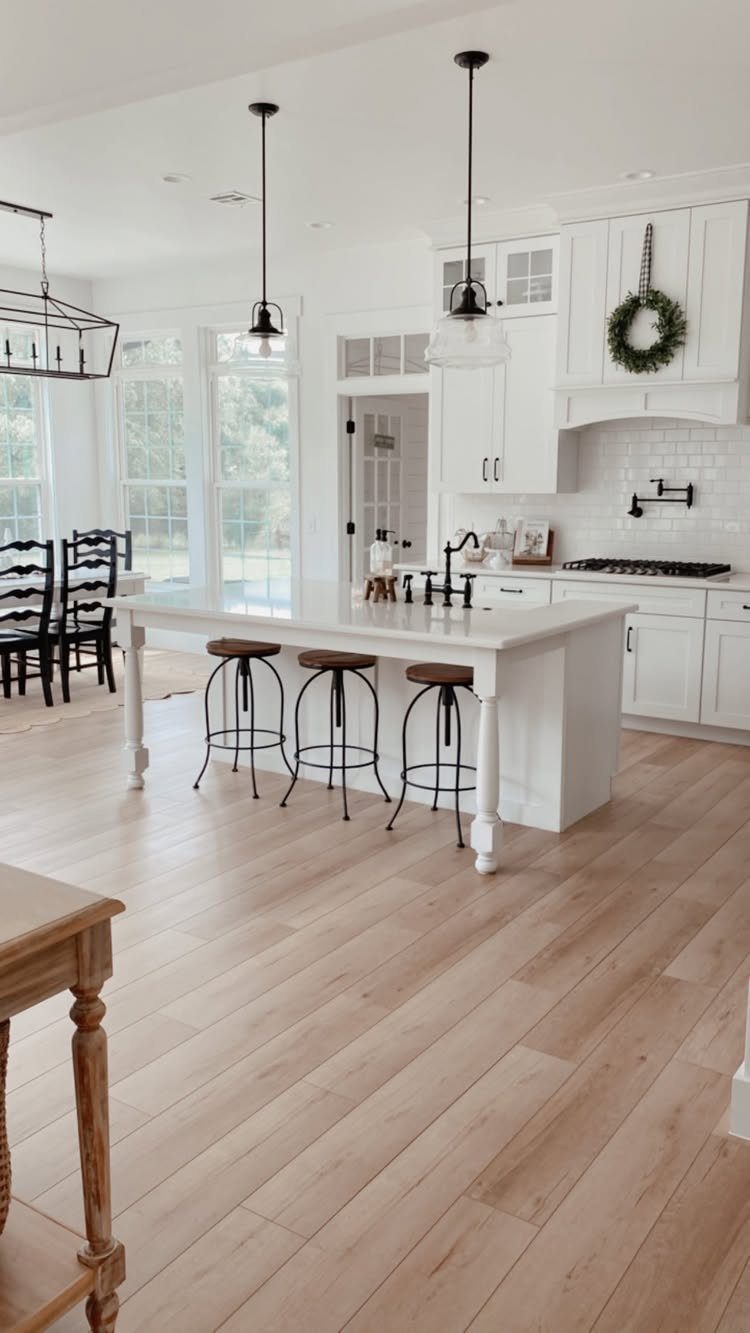
Scandinavian minimalism lives or dies on proportion, and an all-white kitchen with pale oak floors has almost nowhere to hide. Every seam shows, every gap telegraphs.
Shaker cabinets work here because their flat center panel adds just enough shadow to keep the walls from reading as blank drywall. Matching the island to the perimeter on door style and counter material saves money and decision fatigue both.
Three black metal stools break the monochrome without introducing a second cabinet color.
This look suits renters who can paint walls and replace hardware but not floors, and first-home owners who want to sell before long.
It trades away visual drama for flexibility; if you collect colorful dishes or vintage pottery, this kitchen becomes your display case.
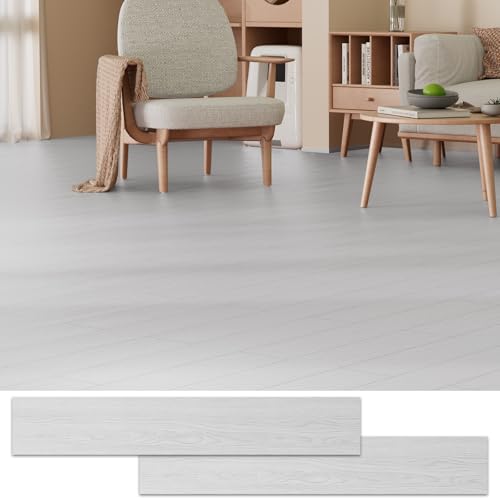
Textured & Versatile: Available in popular wood look with a natural matte finish that replicates the authentic feel of natural materials. The luxury vinyl plank flooring seamlessly complements Nordic, modern minimalist, industrial and other trending decor styles, instantly elevating the overall aesthetic of any space. Ideal for living rooms, bedrooms, kitchens and more.

Textured & Versatile: Available in popular wood look with a natural matte finish that replicates the authentic feel of natural materials. The luxury vinyl plank flooring seamlessly complements Nordic, modern minimalist, industrial and other trending decor styles, instantly elevating the overall aesthetic of any space. Ideal for living rooms, bedrooms, kitchens and more.

Textured & Versatile: Available in popular wood look with a natural matte finish that replicates the authentic feel of natural materials. The luxury vinyl plank flooring seamlessly complements Nordic, modern minimalist, industrial and other trending decor styles, instantly elevating the overall aesthetic of any space. Ideal for living rooms, bedrooms, kitchens and more.
9. Contrasting Dark Grey Island
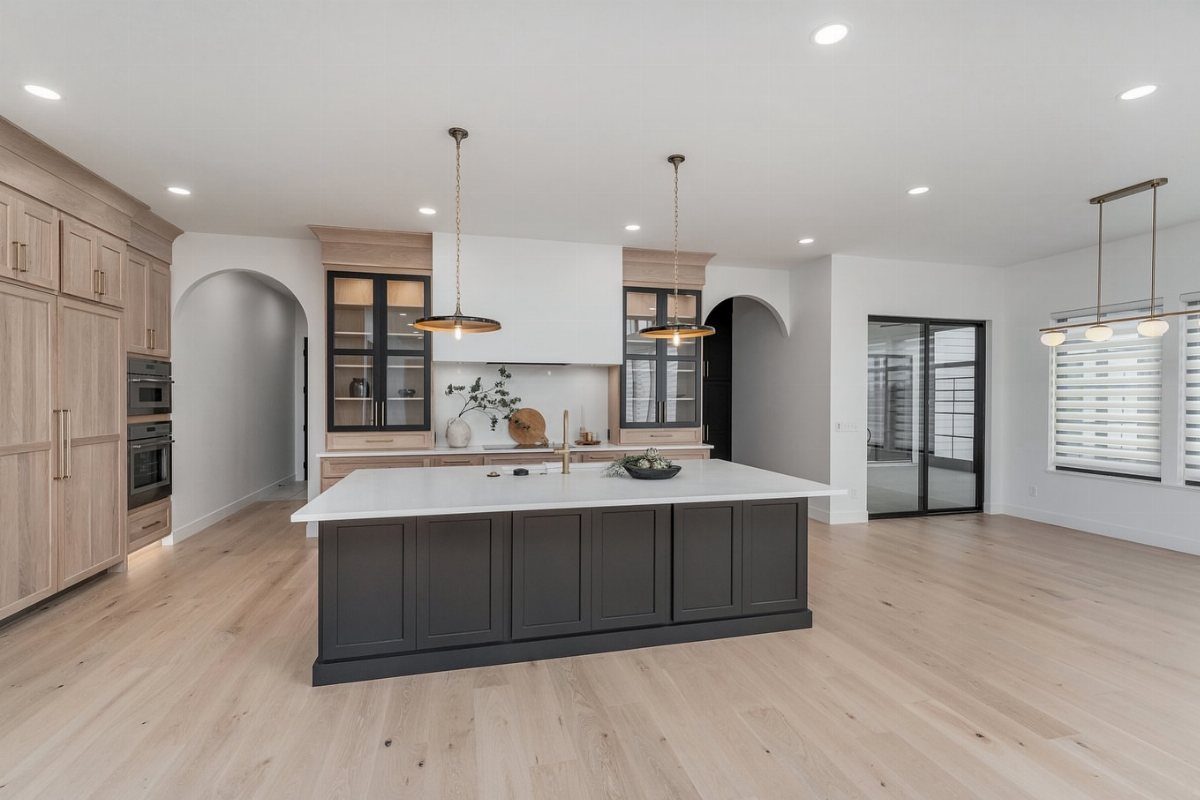
A dark grey island against light perimeter cabinets gives you the two-tone look without the boldness of navy or black. Grey reads as a neutral to the next buyer, which matters if this kitchen needs to last through a sale.
Light wood uppers and lowers with a grey island base keep the room balanced when the countertop stays light on both; otherwise the dark base drags the whole room down.
Pendant lights over the island should hang low enough to anchor the space without blocking sight lines across the room.
I’d put this combination in a kitchen that opens to a living room where the furniture already mixes wood tones.
The floor bridges the two cabinet colors, and the grey island picks up whatever charcoal or slate you have in the adjacent rug or sofa.
It costs less than a full custom kitchen because the perimeter stays a standard white or off-white stock cabinet.

100 sq. ft. Coverage – Ideal for single-room installations and small renovation projects.
10. Contrasting Black Cabinets
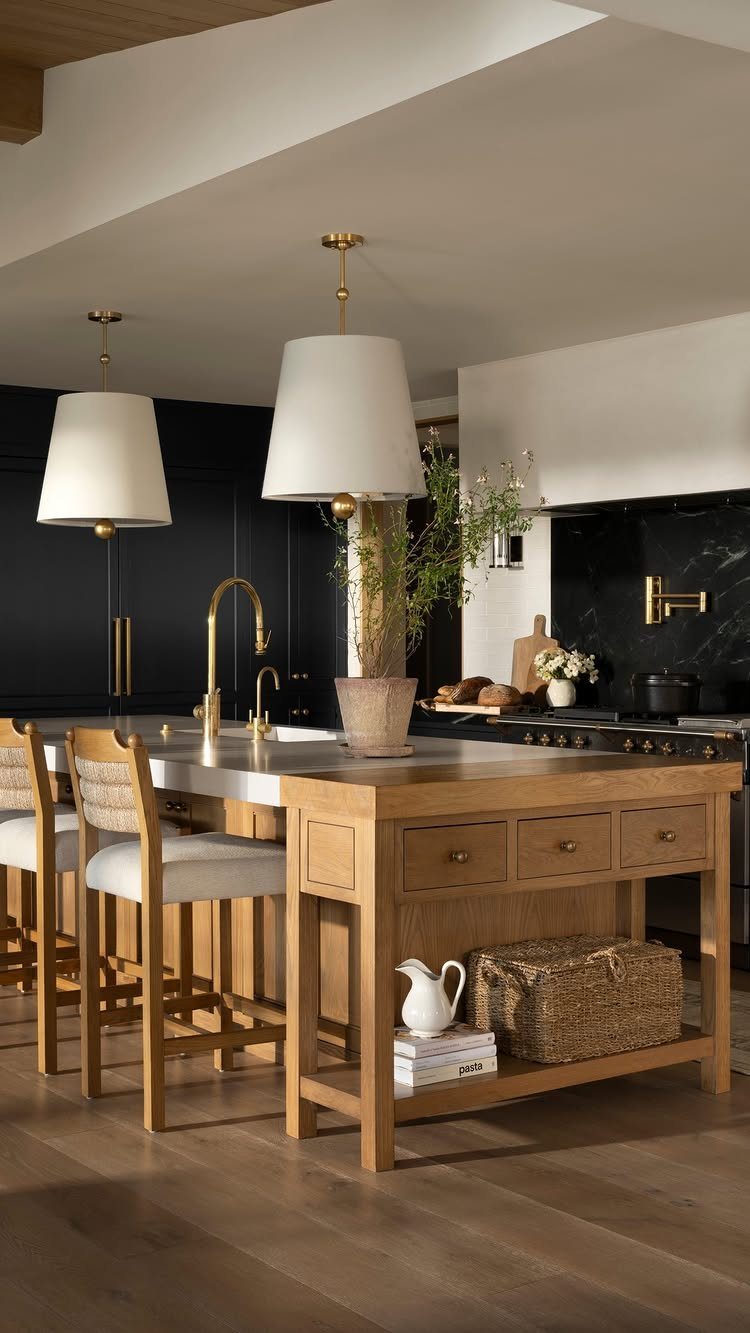
Black cabinets against white oak floors is the highest contrast move on this list, and it only works with enough light to keep the black from reading as a void.
Large windows and white drum pendants keep the black from going flat; without them, the same cabinets would feel like a cave.
Brass or stainless hardware keeps the black from going flat, and a wood island in a tone close to the floor softens the edge. Onyx Black Shaker is the stock option that gets you here without custom pricing.
This one is for homeowners who plan to stay put and cook daily, not for resale staging. The next buyer might love it or might see a repaint job.
If your kitchen lacks natural light, do the island in black and keep the perimeter white; you get the statement without the risk.
White Oak’s Popularity
White oak sits at a practical crossroads that few other hardwoods manage. It is hard enough to survive kitchen traffic without feeling industrial, and its grain takes both pale stains and clear finishes evenly.
The domestic supply is another factor. White oak grows throughout the eastern and central United States, so shipping costs stay lower than for exotics and lead times run shorter.
For a renovation on a weekend-driven timeline, availability can matter as much as appearance.
Versatility gets overstated for most materials, but white oak earns it. The same species reads traditional in a herringbone layout with warm stain and contemporary as wide plank with matte sealant.
You are not locked into one kitchen style for the next decade.
Lighting Impact
The same white oak floor can look like two different materials depending on the hour. Morning light through east windows pulls out honey and gold; afternoon sun from the west deepens everything toward amber.
After dark, your bulbs choose the tone.
Color temperature is the detail most people miss. A 3000K bulb, warm white, pushes the wood toward yellow.
A 4000K cool white drains the warmth and leaves the floor looking grey and flat. Neither is wrong, but they are not interchangeable.
I would test samples at 10 a.m., 3 p.m., and 8 p.m. before committing to either floor stain or cabinet color. What reads balanced at midday can look sickly under evening LEDs.
If your kitchen relies mainly on artificial light, the bulb choice matters almost as much as the wood choice.
Maintenance of White Oak
White oak survives kitchens better than most hardwoods, but survival and looking good are different things.
Sand and grit are what actually ruin the finish, so I run a microfiber mop over the boards every few days and use the soft brush attachment when I vacuum. I sweep mine every few days, not weekly.
Water is the second threat. A thoroughly wrung mop, barely damp, is the limit.
Standing moisture seeps between boards and warps them from underneath. Harsh chemicals and steam mops strip the finish faster; pH-neutral cleaner or a drop of gentle soap in water does the job.
The scratches you notice first always run along the paths people walk most, which is why I put felt pads under anything that moves, chairs especially. Rugs at the sink and stove catch the grit that shoes track in.
Every few years, a fresh protective finish layer buys you another stretch without sanding down to bare wood.
Sustainability of Materials
White oak is abundant across the United States, which already puts it ahead of imported species on shipping impact alone.
FSC certification exists if you want third-party confirmation of responsible harvest. It is not the only marker of sustainable forestry, but it is the one you can verify at purchase without tracing the supply chain yourself.
Low-VOC finishes have become standard on many products, not premium upgrades. Indoor air quality matters in kitchens, where you already have combustion and cooking byproducts to manage.
A floor finish that does not add formaldehyde or heavy solvents to that load is worth specifying, even at slight extra cost.
Frequently Asked Questions
Are white oak floors still in style?
White oak floors have been in use since the early 1900s and show no sign of fading.
The light, neutral tones hide dust and scratches better than darker woods, and the grain adds enough character to keep the floor from reading as generic.
Their ability to read warm or cool depending on what sits next to them is what keeps them current across changing tastes.
What color kitchen cabinets go best with white oak floors?
White, soft grey, navy, charcoal, and black all work, and the choice depends on how much contrast you want.
White or pale wood keeps the room open and reflects daylight back in; dark lowers with white uppers grounds the space without heaviness. I’d bring a floor sample to the cabinet showroom, since store lighting shifts how the match reads.
Is white oak good for kitchens?
Yes, white oak is a hard, dense wood that holds up to the traffic a kitchen sees daily. A good finish is what actually protects the wood; raw white oak will take on water spots and spills fast.
Engineered planks with a plywood or HDF core handle concrete slabs and radiant heat better, since they move less with temperature swings.
What are the disadvantages of white oak flooring?
White oak costs more than softer hardwoods and more than some alternatives like luxury vinyl. Herringbone and other patterns mean more cuts and more waste, and the subfloor has to be dead flat or the gaps show.
Installation is where the bill usually grows, leveling especially, so ask upfront if moisture barrier and underlayment are in the quote or extra.