
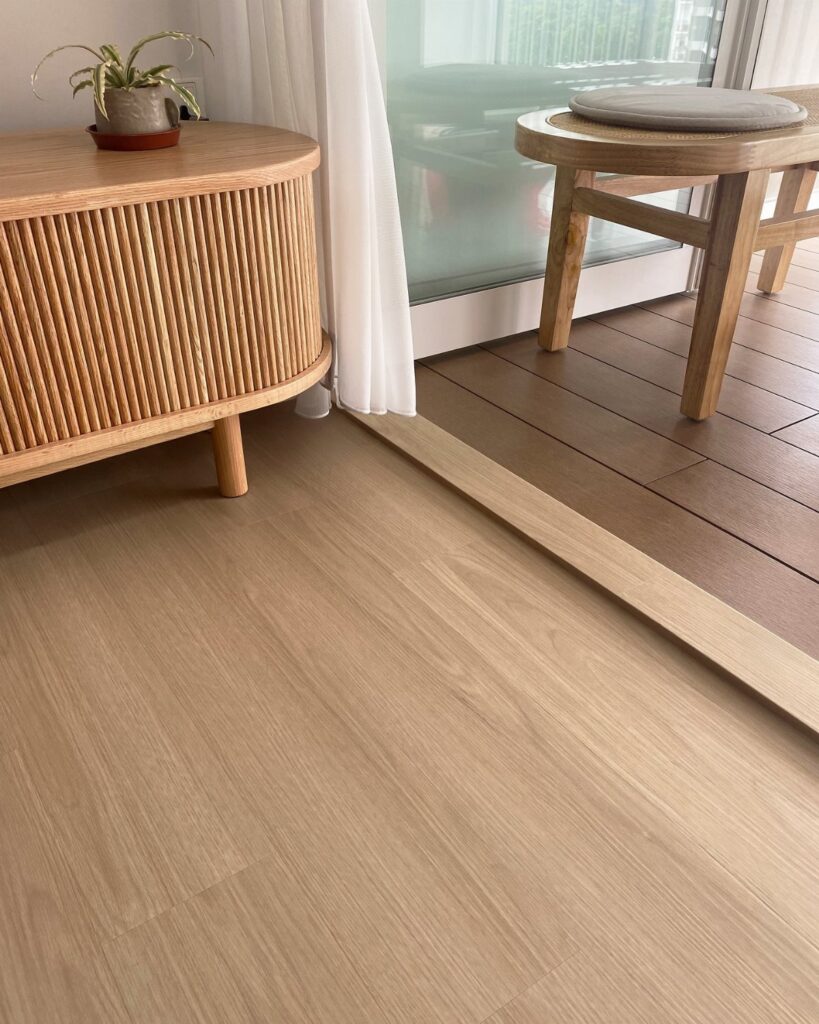
White oak floor stain covers more ground than most people expect, from a barely-there sealer that keeps the raw board’s pale gold to deep browns that read almost black once the whole room is done.
A 16 by 19 inch sample patch, photographed morning, afternoon, and under artificial light, shows the real variation before you commit to a full refinish.
1. Natural Finish
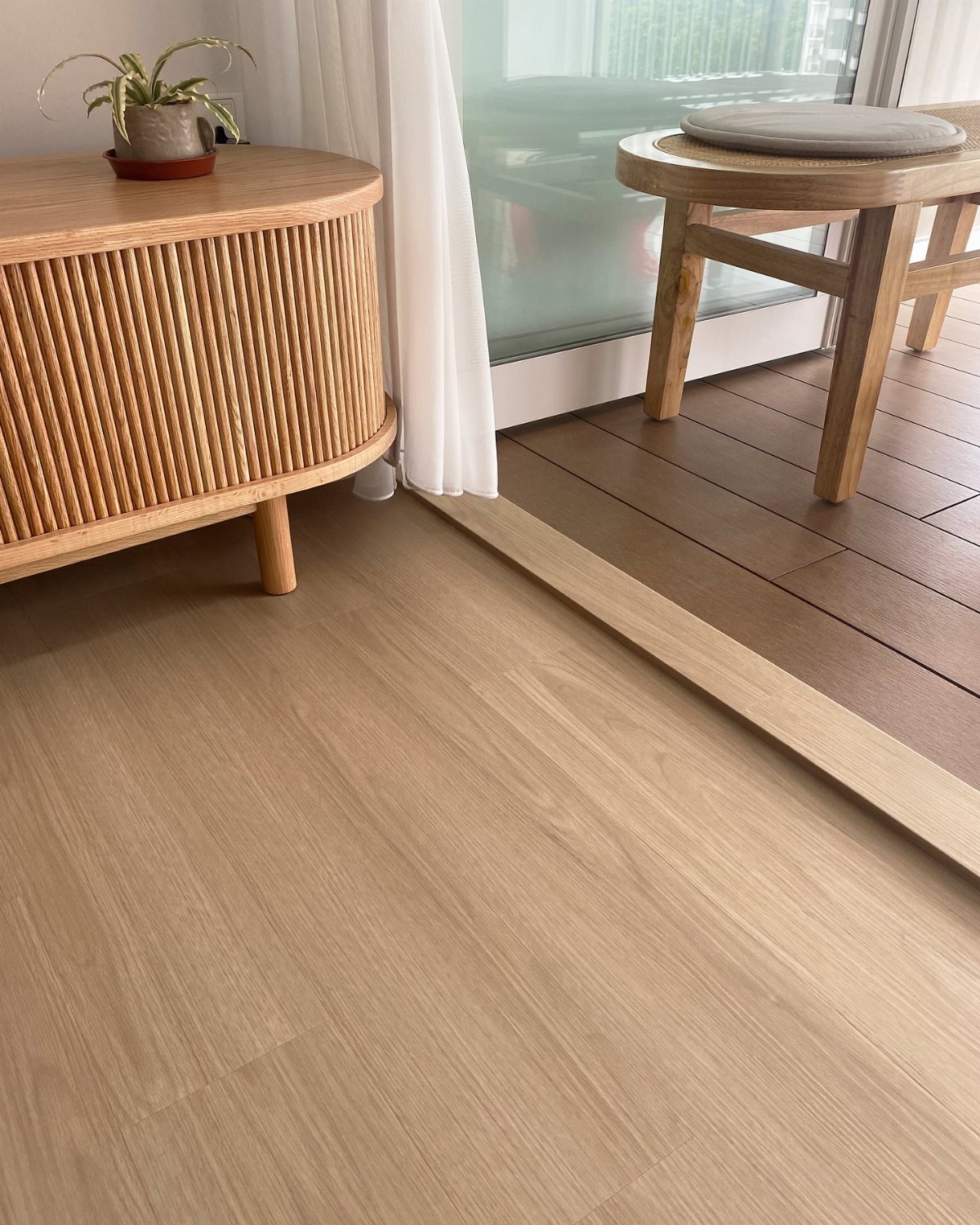
A natural finish on white oak lets the pale gold and gray tones of the wood speak for themselves, no pigment added. Water-based polyurethane or varnish keeps that color where oil-based products would amber it over time.
I laid a clear coat on my own floors and the color still reads close to the raw board. DuraClear Max or similar sealers go down before the finish layer for extra hardness in high-traffic spots.
This suits renters and first-home owners who want the Scandinavian look without the upkeep of bleached or whitewashed floors. Every scuff shows; you will clean more often and you will see the wear sooner.

Water-based wood stain creates rich, even color in 1 coat on most surfaces
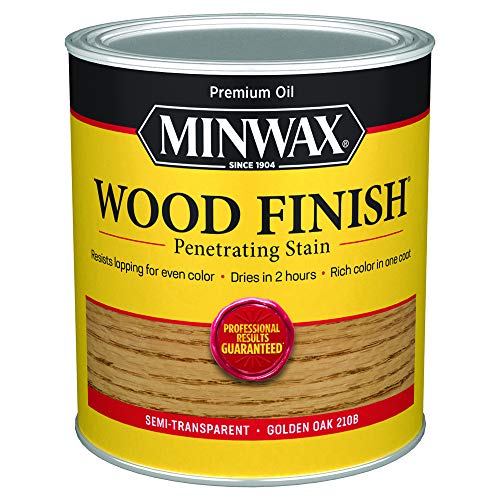
RICH EVEN COLOR – Minwax Wood Finish is a deep penetrating, oil-based wood stain that provides beautiful color and enhances the natural wood grain in one coat. It’s perfect for interior staining projects such as wood furniture, cabinets, doors and more.
2. Testing Stain Samples
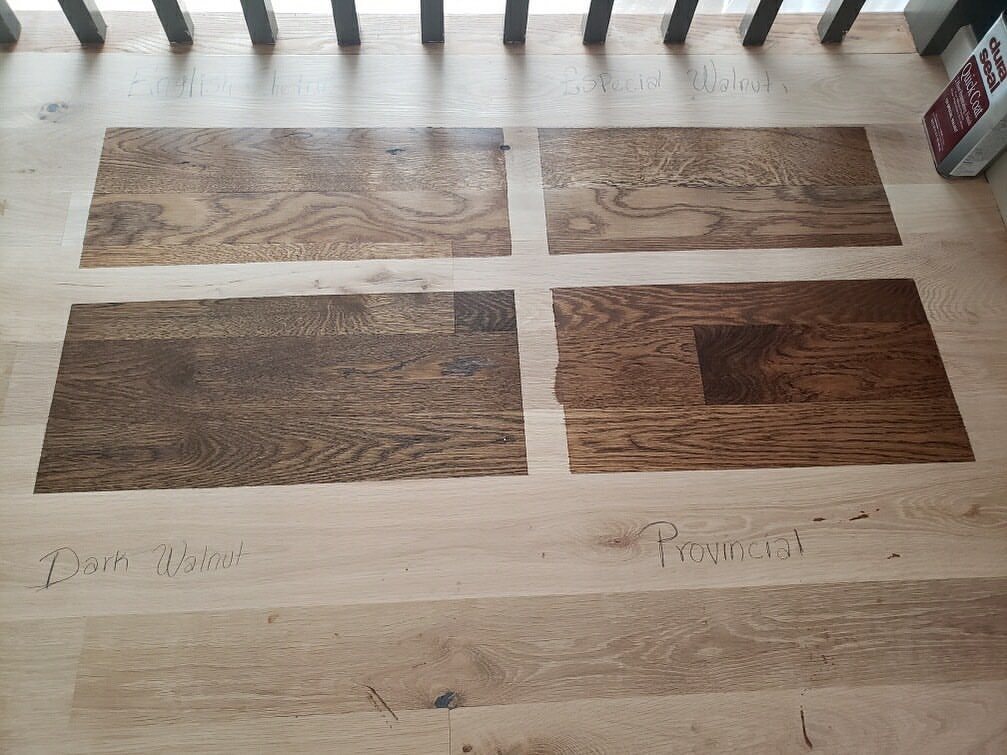
Testing stain samples directly on your actual floorboards, not a sample card from the store, saves the cost of a full refinish when the color reads wrong.
Grain density varies board to board. Open grain soaks up more stain and reads darker; tight or figured grain stays lighter.
A 16 by 19 inch built-up patch in the same texture and finish chemistry as your full order shows the real variation across the room.
Label each patch with the stain name and photograph it morning, afternoon, and under artificial light before you decide.
Spend the weekend on this step. Money spent on sample materials beats living with a mistake you have to look at until you move.

Protects indoor wood surfaces such as furniture, windows, cabinets, trim and more
Helps Prevent Water Damage

3. Medium Brown Wood Stain
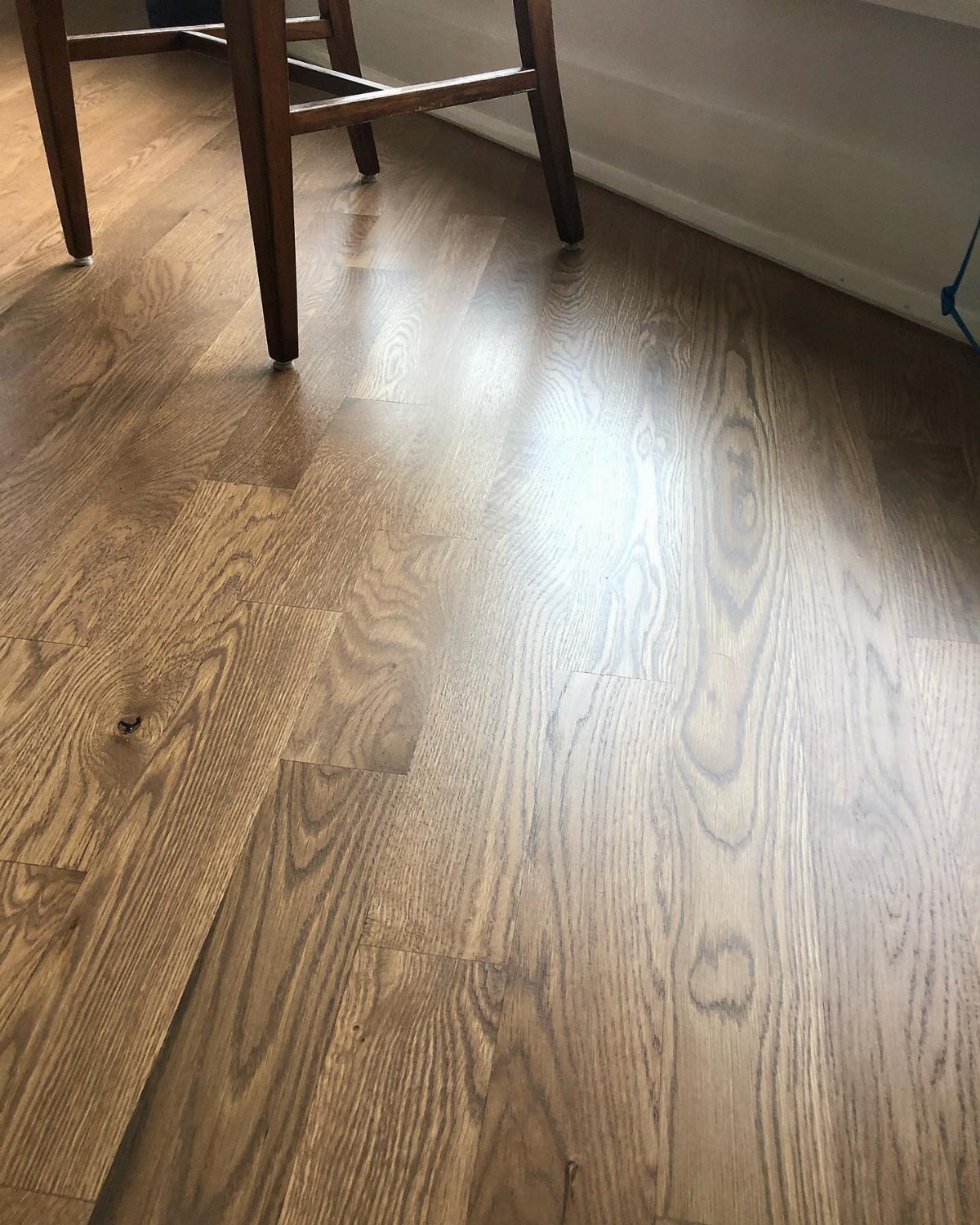
Medium brown hits the balance most white oak floors are built for: warm enough to feel grounded, light enough that the medullary ray fleck stays visible across the plank.
I like boards that stay fairly consistent in their tone rather than jumping light to dark. High variation labels mean each board pulls a different color, and the floor ends up reading like a patchwork quilt against your furniture.
One light coat of stain, then adding thin layers until you hit the color you want, keeps the grain from filling up and turning muddy.
This is the safe choice for resale and for rooms where you want the floor to anchor without dominating.
It costs no more in materials than going lighter or darker; the difference is all in how many coats you stop at.
This product is Non-toxic

Non-Toxic & Low Odor, Safe for Indoor Use: Breathe easy with our water-based wood stain! It’s non-toxic, environmentally friendly and low VOC formula makes it perfectly safe for indoor projects like kitchen cabinets, bedroom furniture, and more — without the strong chemical fumes found in traditional stains.
4. Light Brown Wood Stain
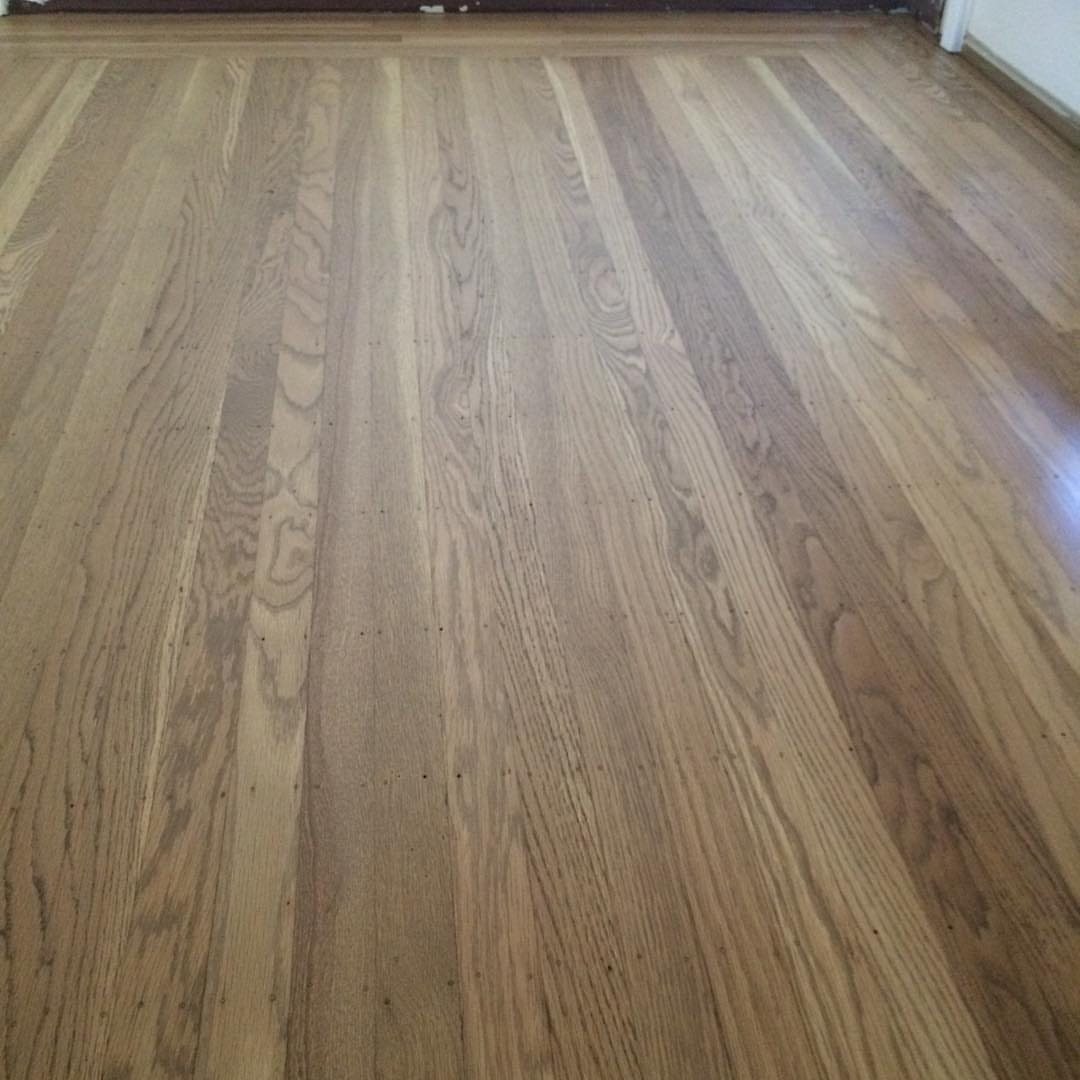
Light brown stain on white oak keeps the floor closer to the wall color, which opens up smaller rooms and reads cleaner against white or pale gray cabinets.
Minwax Whitewash gives that chalky, almost-not-there tone that reads Scandinavian. A water-based topcoat over it adds the toughness the stain by itself does not have.
For a warmer take, a diluted brown oil built up in light coats lets the ray fleck stay crisp where heavier pigment would bury it.
This works best in houses with good natural light; in dim rooms the pale floor can read flat and cold. Start with one coat and see what you think before going further.
The difference between one pass and two is often the difference between character and washout.

Provides richer, more natural color to interior wood furniture, cabinets, doors, trim, floors and paneling

PRODUCT DETAILS - This 13 piece kit includes 6 Repair Markers, 6 paper wrapped wax sticks and 1 wax stick sharpener packaged in a blister card.
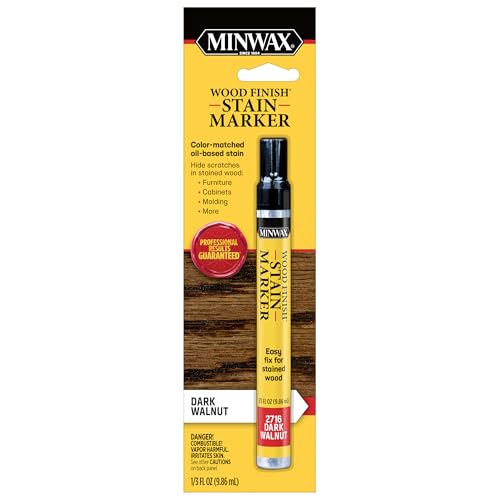
EASY TOUCH-UP – This Minwax Wood Stain Marker is great for quick and easy touch-ups of common nicks and scratches on wood items. It’s also ideal as a stain pen for small hobby and wood craft projects, or to add decorative touches to larger wood projects.
5. Dark Brown Wood Stain
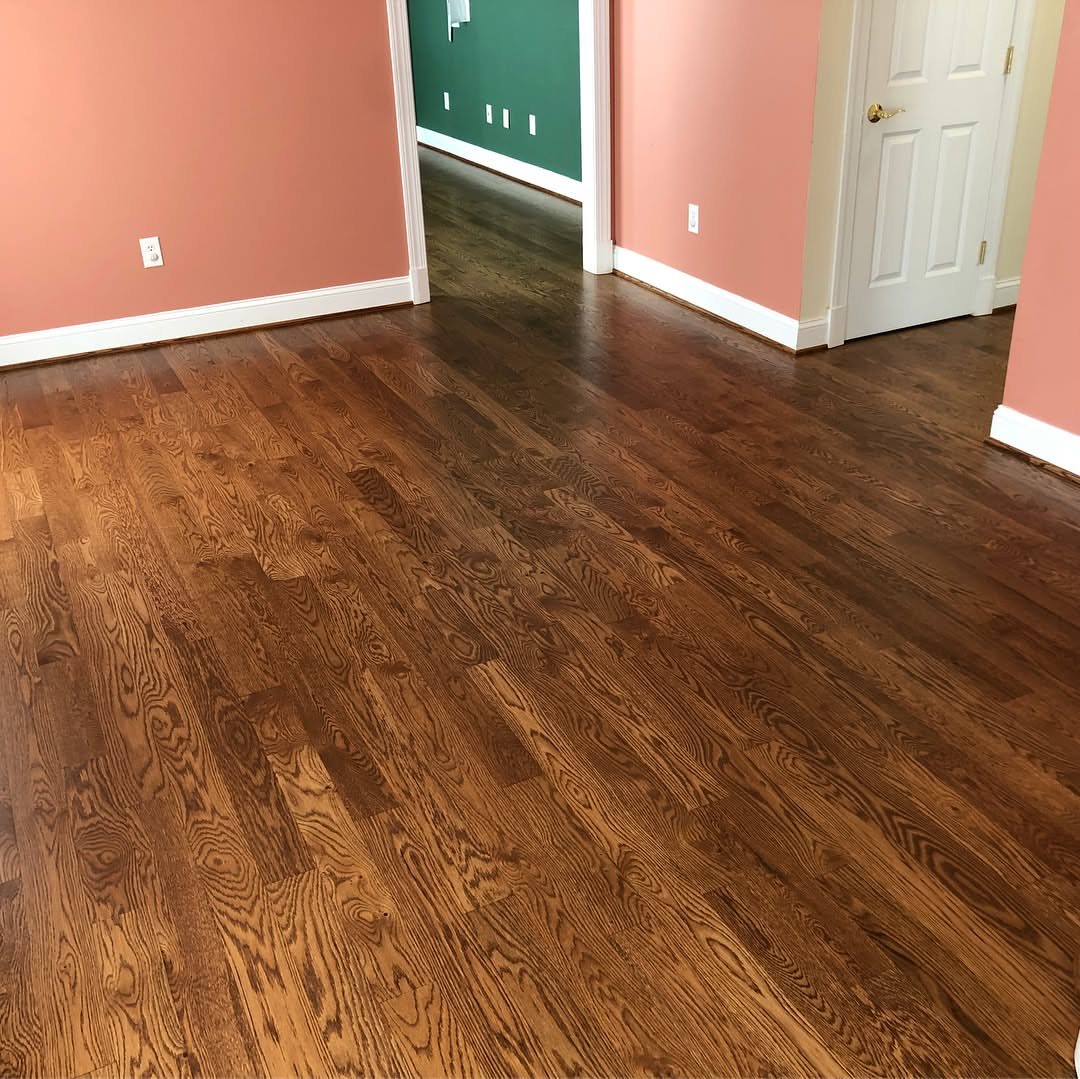
Dark brown stain on white oak gives the visual weight of walnut or mahogany at a lower price point, and white oak’s tight grain means it takes the color without the orange or pink undertones red oak would throw.
What reads as rich in a single board can look like a dark lake across a whole room. Build in thin coats and stop before the fleck disappears.
I would reserve this for large, well-lit spaces where the floor is meant to recede behind furniture, or for period homes where dark wood is part of the architecture.
In a small first apartment it can swallow the square footage whole.

Liquid Volume: 4 Fluid Ounces 2-in-1 wood stain and applicator is perfect for crafts and small projects Water-based, low odor formula is easy to use and cleans with soap and water Enhances the natural beauty of wood without the mess of traditional wood stain Easy flow sponge tip provides greater color control for easy application and less mess Semi-transparent stain colors are buildable with multiple coats
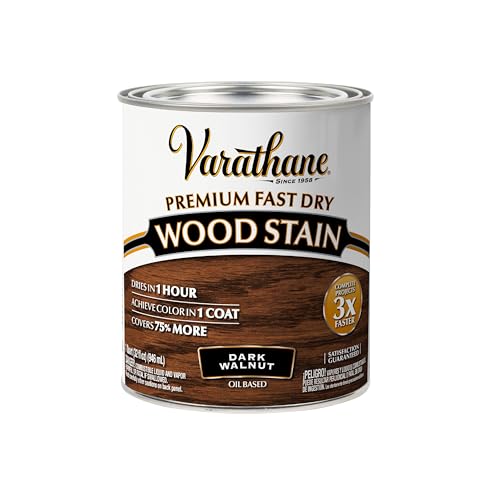
Ideal for use on all interior wood projects: furniture, cabinets, doors, trim and paneling

RICH EVEN COLOR – Minwax Wood Finish is a deep penetrating, oil-based wood stain that provides beautiful color and enhances the natural wood grain in one coat. It’s perfect for interior staining projects such as wood furniture, cabinets, doors and more.
Choosing the Right Stain
Stain sits on top of the wood; it changes color without adding protection. The sealant does the real work against spills and traffic.
A clear sealer will darken white oak slightly, just enough to enrich what is already there. If you skip stain entirely, you cut out drying time entirely.
Humidity, cooler temperatures, multiple stain layers, or stain left sitting too long before wiping all stretch the wait before you can walk on the floor again.
Check the edge color separately from the face; the bevel or eased edge reads its own tone. I tape samples to the floor right beside the wall color, the cabinets, and any stone or tile that is staying put.
A stain that looks right alone can fight everything around it.

Professional Results: Achieve rich, even color and enhanced wood grain with just a single application. SENVEN wood stain fast-drying, high-concentration formula provides excellent coverage and deep penetration, instantly revitalizing old wood with a natural matte finish

Mohawk Ultra Mark Wood Stain Touch Up Marker, Pearl, Oak, M281-7694, 1 Count touch up paint pen for furniture and wooden surfaces

DO IT YOURSELF- Pro-Mark Markers provides excellent spot coverage for scuffs and scratches, both minor and large in appearance.
Impact of Lighting
Daylight and warm LED fixtures read the same stain as two different colors.
I walk the same sample through every room that is getting the floor. Morning light, midday light, evening artificial light: each one gets a look.
Laying the board flat on the floor matters, because the angle changes how light hits it enough to fool you.
I would not decide on a stain color from a single viewing. Photograph each sample morning, afternoon, and under your planned fixtures, then look at the photos a day later.
The color that seemed right in the moment often reads differently with fresh eyes.

Protects indoor wood surfaces such as furniture, windows, cabinets, trim and more

CLEAR SEALANT: Our water-based sealer provides top-notch protection against wear and tear in high traffic areas. It’s odorless and ideal for use on wood siding, log homes, swing sets, outdoor furniture, wooden decks and fences, and more.

MARINE SEALANT: Our liquid formula creates a UV-stable coating for protection against the elements, saltwater spray, and water damage. Marine is a protector for outdoor furniture, thermally modified wood, and boat docks. Marine is safe for use over open water and is non-hazardous to aquatic life. ** This product is NOT intended for hardwoods such as ipe, mahogany and teak. NOT intended for wood submerged under water or on wooden boats **
Maintenance of Stained Floors
Matte urethane hides scuffs better than satin; the lower sheen scatters the light that would otherwise spotlight every mark.
Oil finishes still work in family spaces if you plan for upkeep.
Penetrating oil needs a fresh coat every few years depending on how hard you live on it, but a worn patch can be fixed without sanding the whole room. That re-oilability matters in a house that sees real use.

EFFECTIVE ON ALL WOOD SURFACES and QUICK DRYING: Furniture Clinic Wood Stain is a fast drying and highly concentrated wood stain making it effective on all indoor and outdoor wood surfaces. Our wood stain provides excellent coverage and ensures even color penetration. It's water based, environmentally friendly, and dries to a natural matte finish in only 10 minutes.

The Seiko 12" Octagon Shape Wall Clock in Medium Brown is solid oak wall clock is an attractive addition to any home

WOOD GEL STAIN – Minwax Gel Stain is specifically designed to give you full control over the staining process and help you achieve beautiful results. Recommended uses include woodwork, furniture, doors, molding, trim, cabinets, and accessories.
Durability of Finishes
Hallways, kitchens, anywhere with kids, dogs, or a lot of foot traffic need a finish that does not ask for a re-coat every season. The sealant, not the stain, handles this protection.
Frequently Asked Questions
What is the best stain color for white oak floors?
The best stain color depends on the room and the look you want. Light brown opens up smaller rooms, while dark brown works best in large, well-lit spaces where the floor is meant to recede behind furniture.
What is the best way to finish white oak flooring?
A water-based polyurethane or varnish keeps the pale gold and gray tones where oil-based products would amber them over time.
A clear coat keeps the color reading close to raw board, which is what most people are after with white oak.
Does white oak look good stained?
White oak takes stain beautifully because its tight grain means it absorbs color without the orange or pink undertones red oak would throw. The grain stays crisp and readable even under pigment.
What changes is how visible the medullary ray fleck remains: heavier pigment buries it, thin coats preserve it.