The floors below run from standard 4- to 5-inch planks to 10-inch wide cuts, from natural maple to deep walnut, and from straightforward installs to herringbone patterns that demand an experienced hand.
Your own traffic, light exposure, and whether you need the floor to hide dust or anchor a formal room, settles which species and width belong in your space.
The Janka hardness scale runs from 1360 on white oak up to 1450 for maple, and that gap matters once dogs, kids, or rolling chairs enter the picture.
1. White Oak Hardwood Flooring
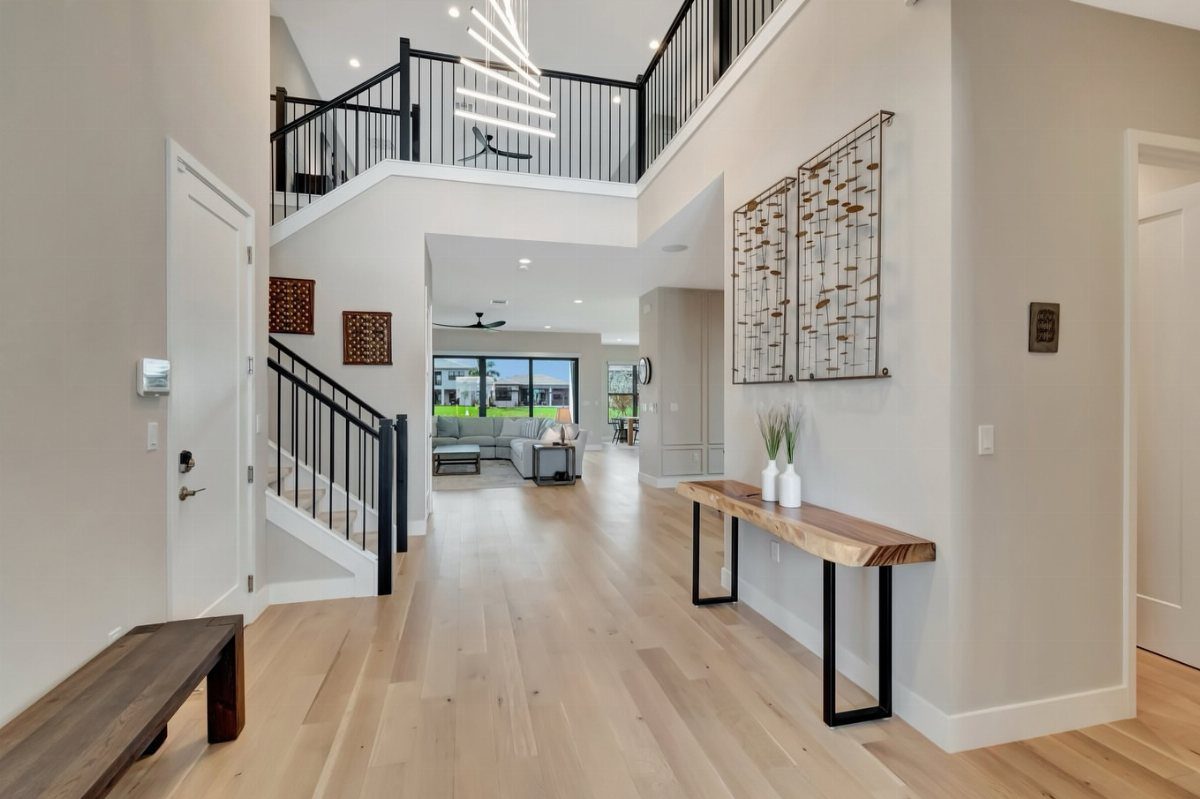
White oak still sits at the top of my list when someone asks what hardwood to put down. The grain is tight and clean, and the color runs from pale straw to soft gray-brown without ever looking washed out.
At a Janka hardness of 1360, it handles kitchen traffic and dog nails better than softer species, and scratches on a lighter-stained board stay hidden longer than they’d show on dark walnut or espresso finishes.
I like it best in open living areas where the same floor has to work with a farmhouse table, a modern sofa, and whatever comes next.
It takes stain evenly if you want to shift the tone, though I prefer a matte finish over raw or lightly sealed wood. The unfinished look costs more in maintenance, but it forgives daily wear in ways gloss cannot.

Made of solid white oak wood, unfinished surface. High output structure let more air flow come through the vent.

Timeless Elegance: Parquet flooring adds a touch of sophistication and warmth to any room with its intricate patterns and rich wood tones.
2. Herringbone Pattern Wood Floors
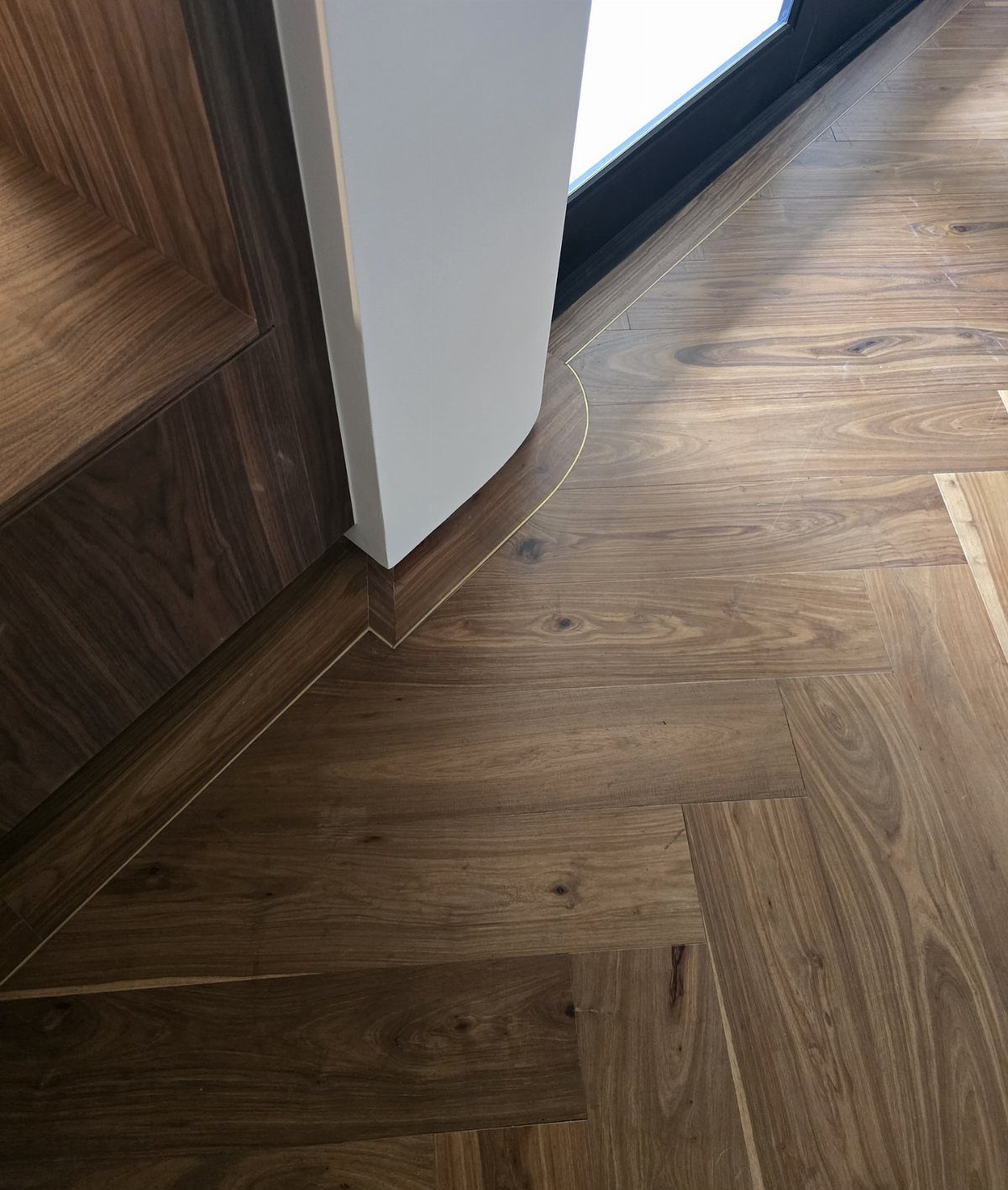
A herringbone floor reads as craftsmanship the moment you walk in, and the pattern is having a real moment again.
The angled planks catch light differently across the day, so the same room feels alive in morning sun and settled by evening.
I would not attempt this install myself. The 90-degree joints demand an experienced hand, and any wavering line ruins the whole effect.
Narrow boards between 3 and 5 inches wide work best; wider planks fight the geometry and look chunky instead of refined. I have seen it done beautifully in entryways and dining rooms, where the scale feels intentional rather than busy.
In a large open space, the pattern can overwhelm, so treat it as an accent zone rather than wall-to-wall.

【Size】10 sheets self adhesive herringbone tiles, 10"x11.2"x0.16" each, cover about 7.8 square feet. Please consider cutting loss 3-5% in every DIY project.To save your time , we recommend to buy 1 sample sheet then buy more.

Premium Grade Silver Wave Black Forest Marble Subway Tiles. Silver Wave Grey Antico Wood Vein Marble Honed 3x6 Subway Wall & Floor Tiles are perfect for any interior projects. The 3x6 Silver Wave Black Forest Marble Subway tiles can be used for a kitchen backsplash, bathroom flooring, shower surround, dining room, entryway, spa.
3. Natural Color Variation Floors
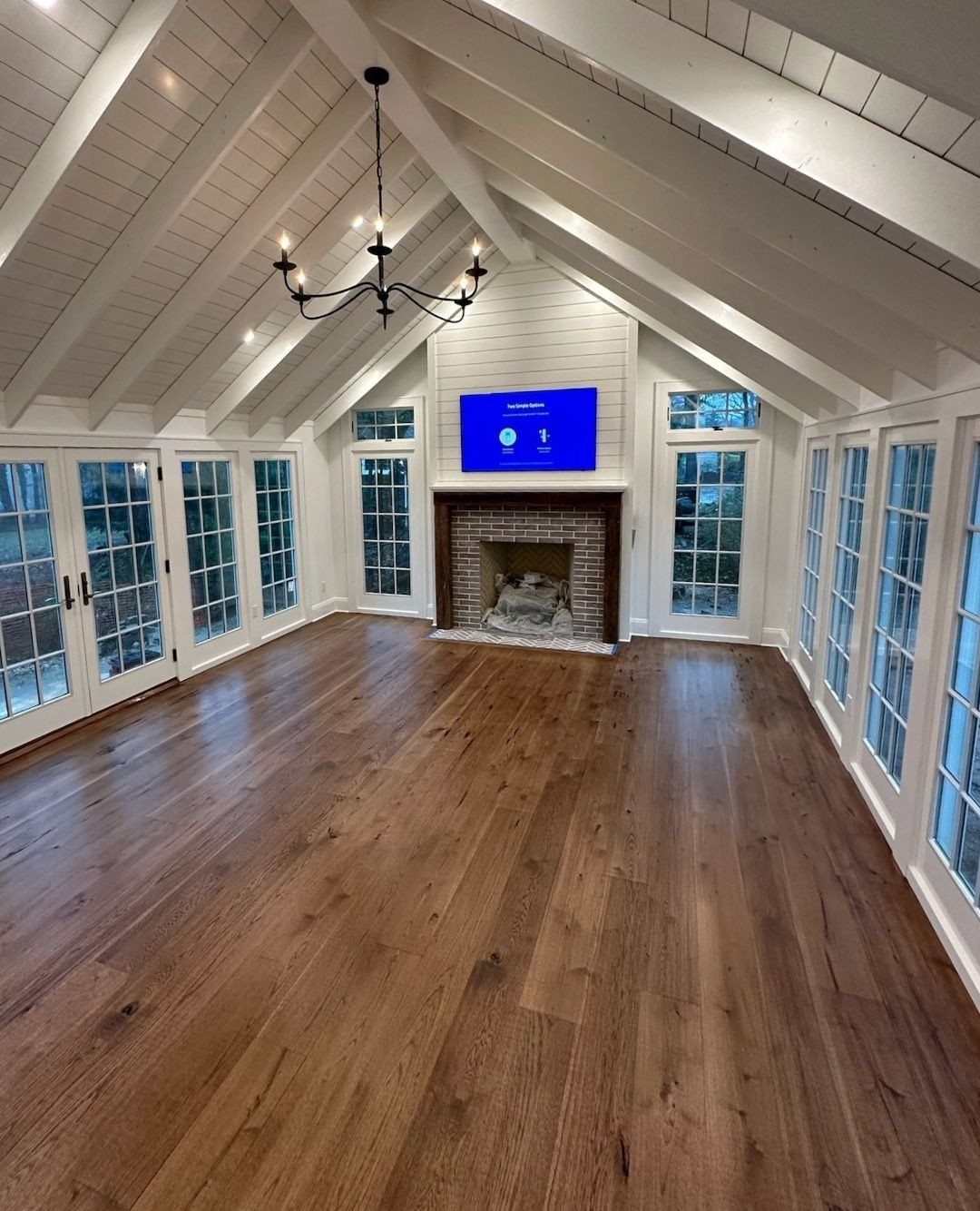
Perfectly matched boards are fading out, and I am glad for it. Floors with real color variation, light and dark tones mixed across the same room, hide scratches and tracked-in dirt far better than uniform planks ever could.
White oak and hickory both carry this look well; hickory in particular comes with dramatic natural shifts that no stain could replicate.
The practical side matters here. A varied floor still looks decent at 6 p.m. on a Thursday when no one has swept.
It also reads as genuinely organic rather than factory-sorted. One caution: all wood changes with light exposure over months.
If you lay an area rug immediately, you will get a pale rectangle when you move it. Wait six months minimum, longer for photosensitive species like cherry.

Thickened for stability: the added thickness of the wood carving blank ensures structural stability, ideal for complex and detailed woodworking projects,carving wood block,wood carving blocks for beginner

Natural beauty: unfinished wooden block showcases wood grain, ensuring that every piece you create is a distinctive work of art,wood blank,wood whittling

Authentic walnut appeal: the natural walnut wood board construction elevates your decor by adding genuine texture to any accent wall or craft wood supplies project, enhancing room ambiance,plywood sheets,school wood crafts
4. Red Oak Floors
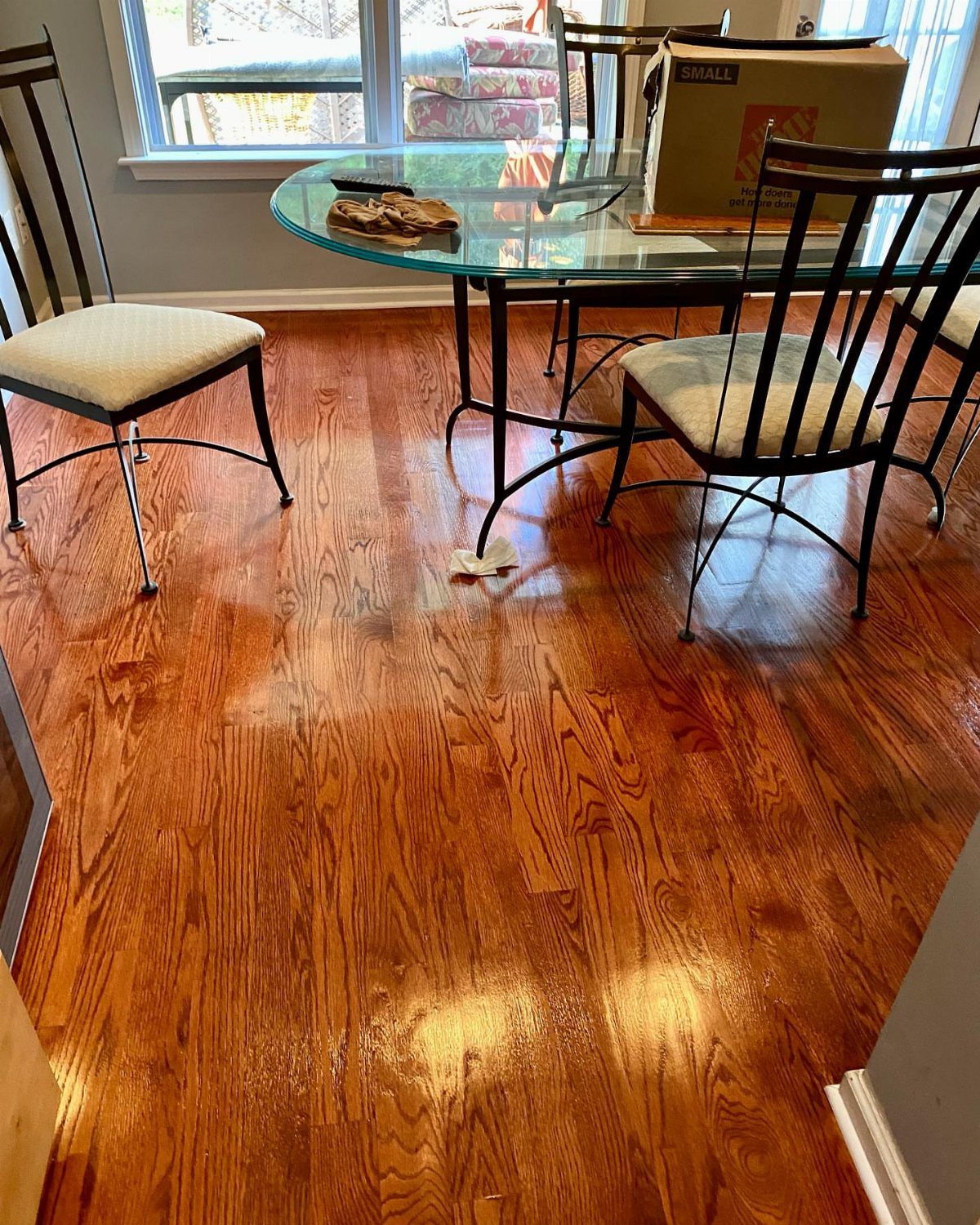
Red oak was the standard hardwood for decades, and it has not disappeared. The tone runs warmer than white oak, with a faint salmon undertone that some people love and others learn to live with.
It stains well, refinishes easily, and pairs with almost any furniture style I have tried it against, from Victorian heaviness to stripped-down industrial.
The difference between red and white oak comes down to color and grain subtlety, not durability. Both species share the same practical strengths.
If your room already has warm elements, brass lights or terracotta walls, red oak extends that feeling naturally. Against all-white everything, it can feel slightly dated.
For a modern space, I would steer toward white oak first; for a settled, comfortable room, red oak still earns its place.

Mohawk Ultra Mark Wood Stain Touch Up Marker, Oak, Hickory, Nutmeg #2394500, M281-0336, 1 Count touch up paint pen for furniture and wooden surfaces

Mohawk Ultra Mark Wood Stain Touch Up Marker, Cognac Hickory 9731200COH, M280-4014, 1 Count touch up paint pen for furniture and wooden surfaces

WOOD GEL STAIN – Minwax Gel Stain is specifically designed to give you full control over the staining process and help you achieve beautiful results. Recommended uses include woodwork, furniture, doors, molding, trim, cabinets, and accessories.
5. Wide Plank Flooring
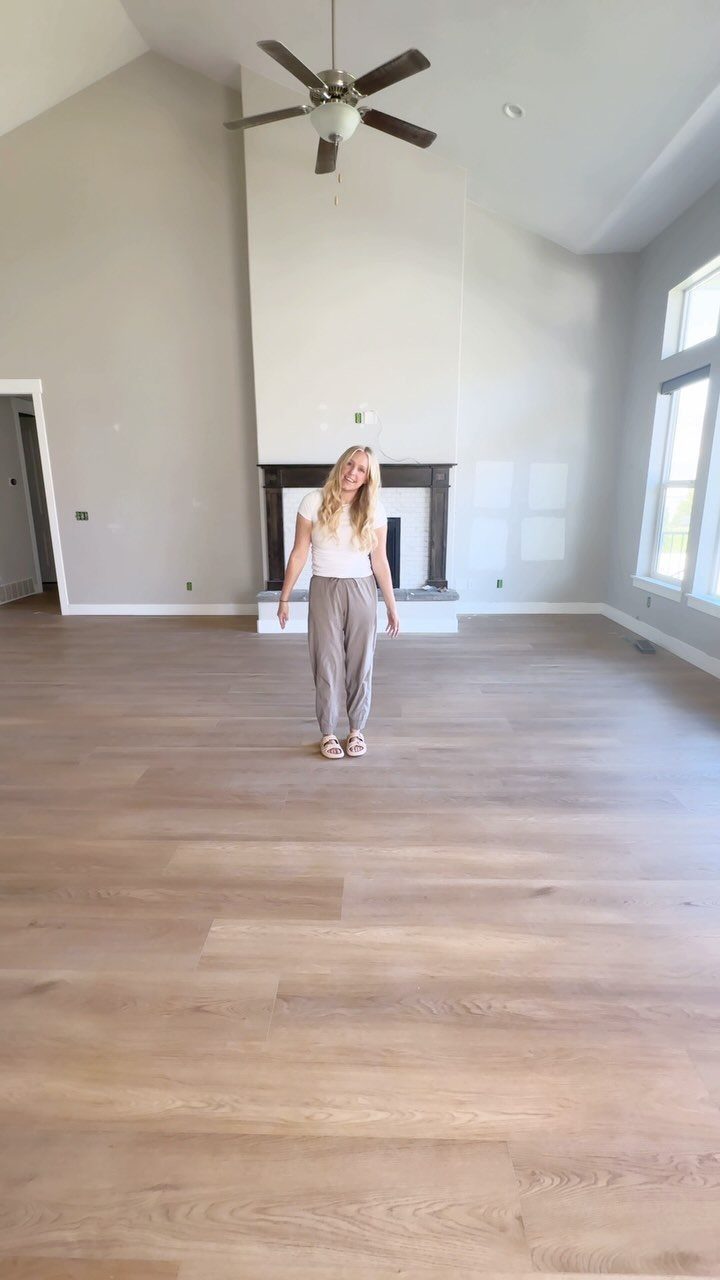
Wide plank flooring starts at 7 inches and runs to 10, and the effect is immediate: fewer seams, more visible grain, and a room that feels larger than its square footage.
I notice this most in open plans, where the planks carry the eye across connected spaces without the visual chop of narrow boards.
White oak, hickory, walnut, and ash all come in wide cuts, though not every species handles the span equally. Expansion and contraction matter more at this width, so talk through humidity control and subfloor prep with whoever is installing.
The material costs more per square foot than standard 4- to 5-inch planks, and some species simply are not milled this wide.
If your budget is tight, consider mixing plank widths instead of going uniformly wide; the variation reads as intentional and costs less.

Size L: Paw width 2.7 inch, sock length 7.0 inch. To ensure a perfect fit, please measure your pet's paws before purchasing. If your dog's paw width falls between two sizes, we recommend choosing the larger size. This set includes 4 socks made from stretchy cotton fabric, offering both comfort and flexibility

Versatile for Small/Medium Dogs & All Spaces: Perfect for 1-2 small/medium breeds—use as outdoor sanctuary (patio/lawn/deck) or indoor retreat. Weatherproof design ensures year-round comfort anywhere

Multiple Sizes & Roomy Sleeping Area:Available in 2 practical sizes to suit different dogs and prevent wrong-size picks. Overall dimensions of small size: 26×20×11.6 inches, inner sleeping area: 24.2×18.4 inches. Generous space allows small & toy breeds to lounge comfortably. You can place this dog bed anywhere indoors to build a comfy private corner for your pet.
6. Rich Walnut and Deep Brown Floors
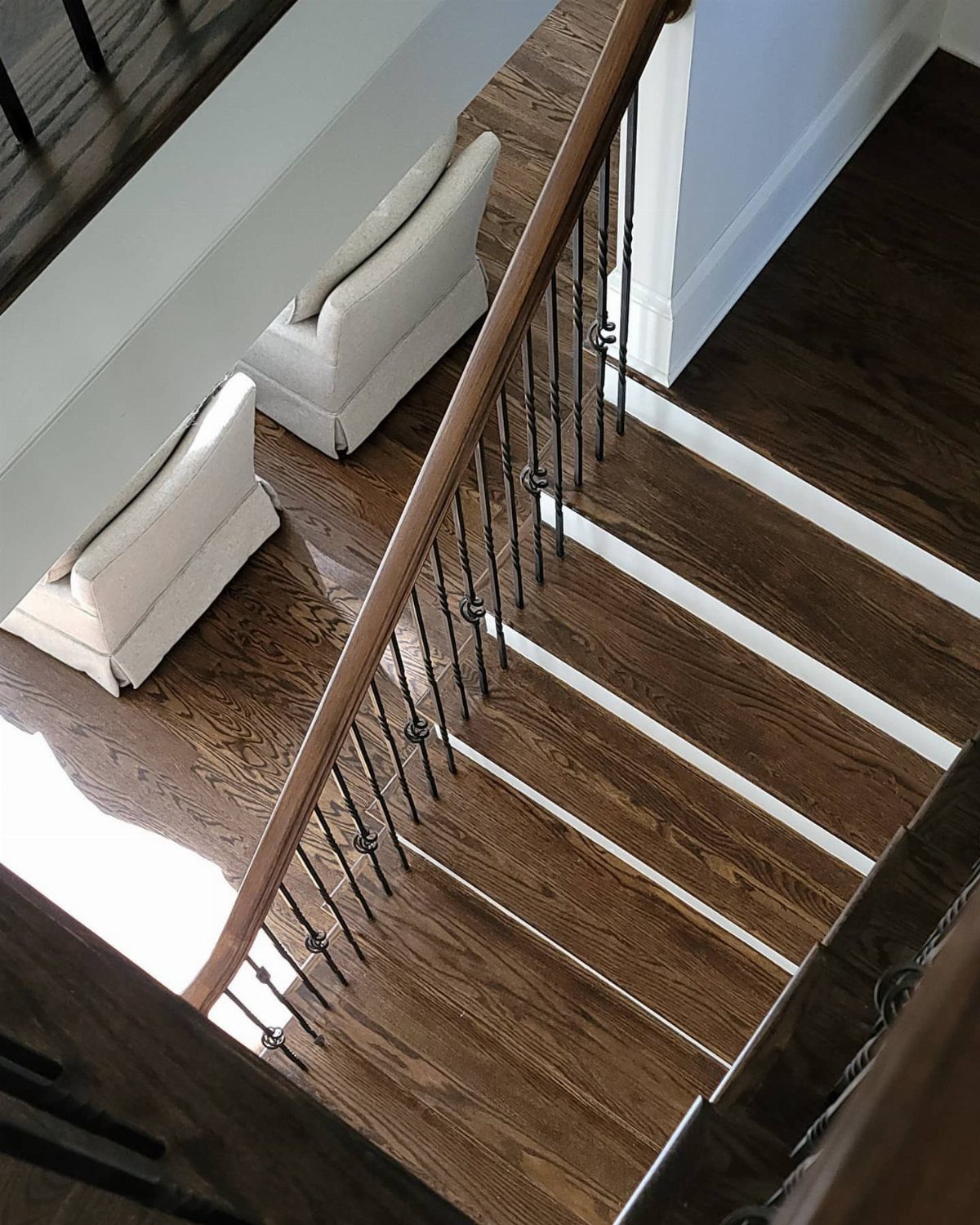
Deep brown floors, especially walnut, are pushing back into luxury builds after years of pale dominance. The color carries weight and formality; it makes a dining room feel like an event and a study feel anchored.
Walnut specifically ranges from light to dark brown even within the same tree, though floor planks are usually sorted for consistency.
I would not put this in a high-traffic hallway or a kitchen with kids. American walnut is softer than oak, and every dent shows on a dark surface.
The same quality that looks rich underfoot, dust and scratches also read clearly. Save it for spaces where the floor is more seen than walked on, or where you will keep up with felt pads and regular sweeping.
The contrast against jewel-toned furniture or cream upholstery is hard to beat when the conditions are right.

Made of solid white oak wood, unfinished surface. High output structure let more air flow come through the vent.

Plastic lattice design floor grate, white

Plastic lattice design floor grate, oak brown
7. Oak Herringbone Light Smoked Brushed Wood Floors
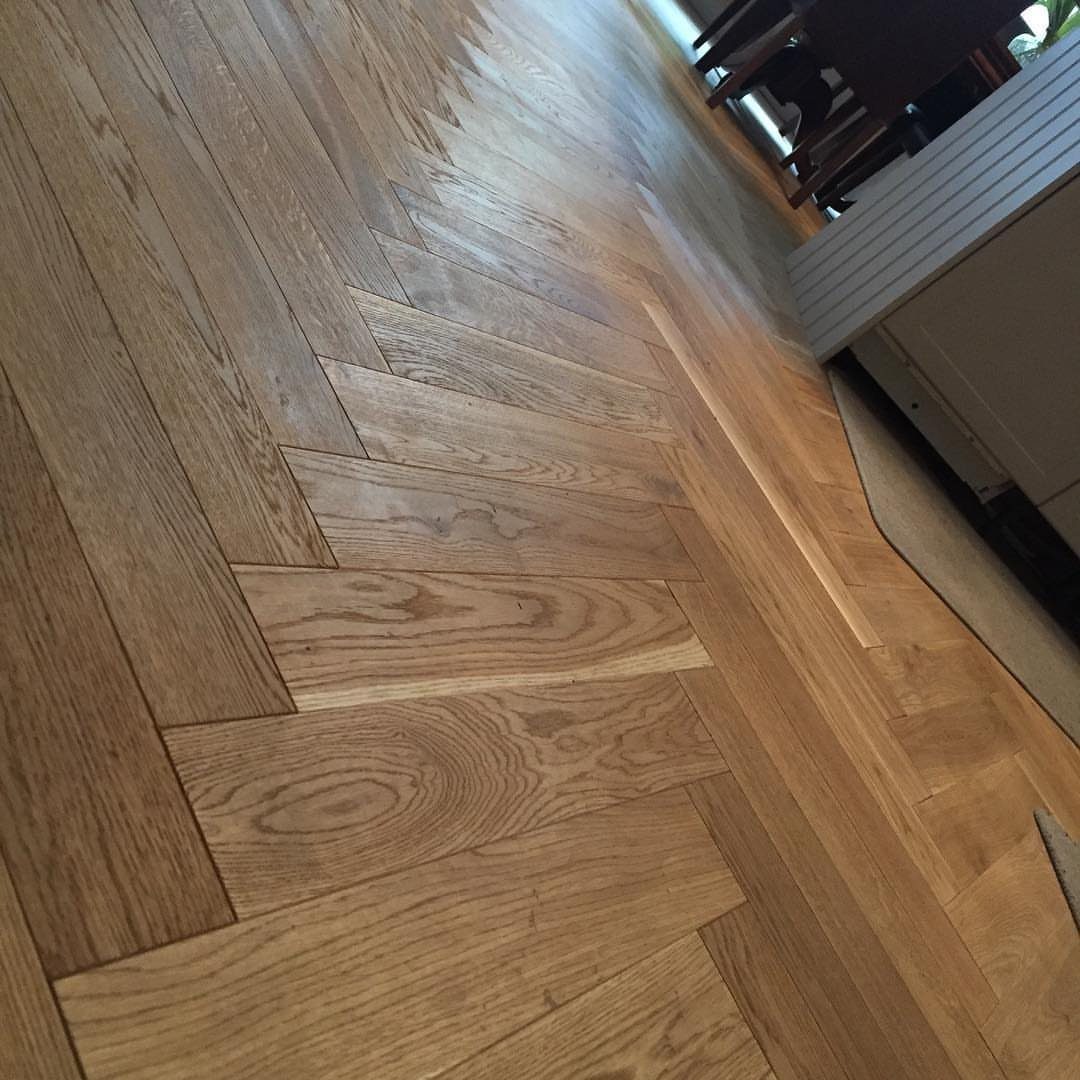
Engineered oak with a light smoke and brushed finish carries the same herringbone pattern floors had a century ago, only this version shrugs off the warping and refinishing cycles that kept the originals high-maintenance.
The UV lacquered surface handles daily wear while that subtle smoke treatment quiets the grain just enough for Scandinavian or classic British rooms.
The herringbone itself is the detail that reads expensive. At 90mm by 600mm planks with tongue-and-glue fitting, this is a project for someone comfortable with precision; one skewed row telegraphs across the whole floor.
I’d budget for an experienced installer unless you’ve done parquet before.
Straight planks bordering the herringbone field give the eye a place to rest and keep the pattern from feeling busy in smaller rooms.
For a smaller room, skip the border and let the herringbone run wall to wall; in open plans, the mixed layout contains the busyness.
8. Maple Flooring
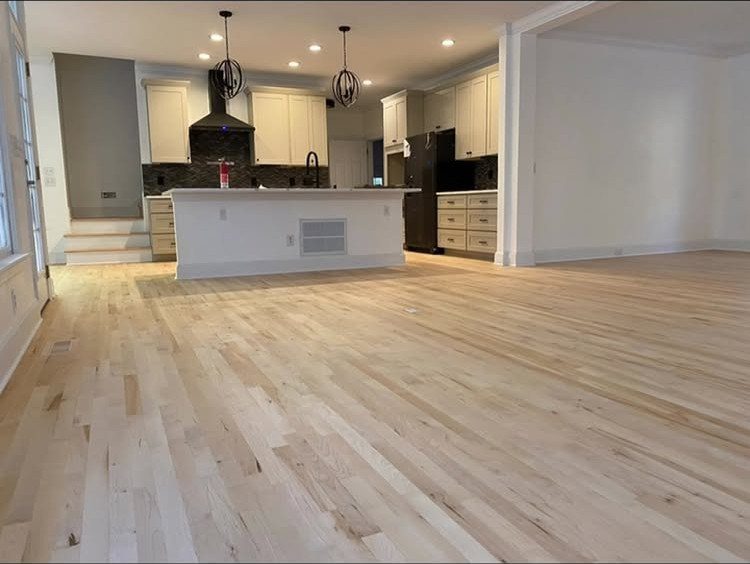
Hardness rating of 1450 puts maple above oak on the Janka scale, which matters with dogs, kids, or rolling desk chairs. Bowling alleys use this wood for exactly that reason.
The tradeoff shows up when you want color. Maple’s density resists stain; without conditioner first, you get blotch instead of even tone.
Most homeowners choose prefinished planks where the factory has already solved this, and you see the exact color before it goes down.
Natural maple reads beige to light gray, contemporary and cool.
Maple reads clean and modern against white cabinets in a kitchen with good daylight, though in a darker room it can turn cold without rugs, curtains, or warmer wood tones nearby.
For north-facing spaces, I’d look at stained options or a different species entirely.

Decorator’s choice: blend natural walnut lumber with your decor using unfinished wood panels, walnut planks, or walnut DIY panels, achieving a harmonious look for any design theme or space,DIY wood supplies,wood lumber
Diyfriendly design: easily process these walnut DIY panels into walnut cutting boards, fretwork plywood sheets, or walnut engraving boards with standard tools for hobby or professional use,plywood sheets,wood craft boards

Craft Wood — Thin-sawn, 100% pure hardwood planks designed for crafts; Natural wood blanks for laser cutting & engraving machines; Durable & strong, this Glowforge ready material won’t break easily
9. Warm Mid-Tone Wood Floors
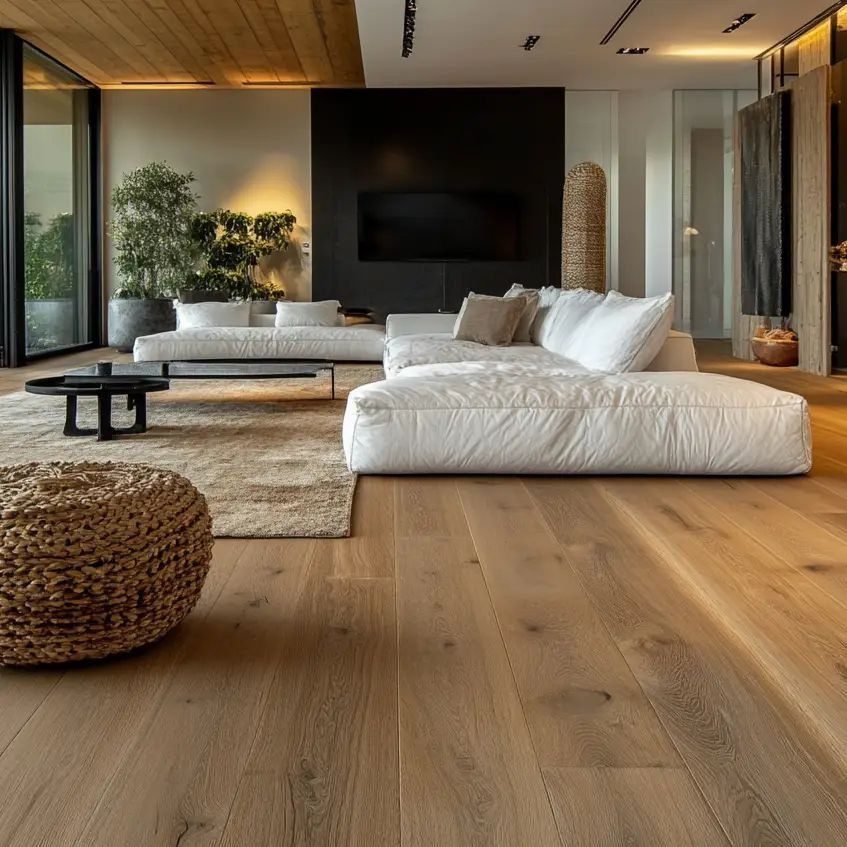
Honey, chestnut, and walnut-inspired browns occupy the middle ground that gray-washed floors abandoned.
They hide dust and daily wear better than pale floors, avoid the cave effect of dark stains, and bridge furniture from different eras without fighting any of it.
Wide planks carry more of the tree’s grain and variation, which helps when the rest of the room mixes leather, woven pieces, and matte metal finishes that might otherwise compete for attention.
That combination works because the floor’s warmth lets each piece settle in rather than competing for attention. In high-traffic family spaces, this tone range forgives what lighter floors spotlight.
What you give up is the crisp contrast that designers sometimes want. These floors ask for walls with some depth to them; bright white trim against mid-tone wood can read builder-grade unless you carry warmth upward through textiles or art.
Check your fixed elements, cabinets especially, before committing.

PROFESSIONAL WOOD FLOOR RESTORER: Restores wood floors, leaving them with a beautiful glossy finish

PROFESSIONAL WOOD FLOOR RESTORER: Restores wood floors, leaving them with a long-lasting matte satin finish

Regular use will keep floors looking beautiful by gently removing dirt and grime, without leaving a soap film behind
Refinishing and Maintenance
Solid hardwood can take sanding and refinishing again and again, which is why I still point most people toward it over anything else.
Refinishing costs less than tearing everything out, and it fixes what daily life leaves behind: scratches from dragged chairs, water marks near the kitchen sink, the dull path where a rug sat forever.
The finish also dates a floor faster than the wood itself. That orange-tinged gloss on maple once read as fresh; now it looks like someone else’s house.
Sanding back to bare wood lets you shift with the room rather than starting over.
With proper care, solid hardwood floors deliver a multi-decade to 100-plus-year lifespan, making them a true long-term investment in your home.

Absorbent & Quick-Drying: Our dog bowl mats for food and water absorbs spilled water within seconds without leaving any stains. Unlike traditional silicone mats, the pet bowl mat doesn’t accumulate water stains or trap pet hair, providing a dry clean eating area for your puppy.

1. Heavier & Thicker: Unlike flimsy mats that curl up or slide around, our extra-heavy, thickened design stays firmly in place. No more chasing a moving mat or cleaning up scattered kibble-your pet’s feeding station stays exactly where you put it.

Large Dog House Features: Cabin dog wooden house's sealed protective coating, raised floor with 4 waterproof foot pads, and weatherproof asphalt roof,PVC door curtain avoid the rain and water,Great provide comfortable and dry room for dogs.Open or lock roof help your pets bathed in the sun, the removable floor as well as convenient for owners to feed and clean.
Choosing the Right Wood Species
The Janka hardness scale is the number I check after color, because a pretty floor that dents is not pretty for long.
Traffic and moisture matter as much as hardness. A front hall that sees wet boots in winter needs tighter grain and better finishing than a formal living room opened twice a month.
Installation Techniques
Herringbone and parquet patterns are advanced work, not a weekend project.
Entryways, home offices, and dining rooms are where the scale feels intentional.
Color Trends
High color variation is part of the same shift.
Frequently Asked Questions
What are the current trends in wooden flooring?
White oak, wide planks, and matte finishes lead the current trends. Wide planks starting at 7 inches create fewer seams and make rooms feel larger, while matte finishes hide daily wear better than gloss.
What flooring is on trend in 2026?
Light wood tones and high color variation floors are trending in 2026. Planks with real color variation, white oak and hickory included, forgive scratches and tracked-in dirt that would show on uniform floors.
Hickory shifts so dramatically from board to board that no stain could fake it.