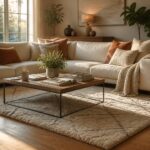
Family room flooring runs from under-a-dollar laminate you lock together yourself to polished marble that needs professional sealing and a tolerance for etching, with plenty of options between.
The deciding factor is not style or even budget; it is who spills, who drops, who drags chairs, and who will be crawling, walking, or padding through for the long haul.
A thick wear layer on vinyl plank tells you exactly where I land when dogs and gravel-trailing kids are involved.
1. Laminate Flooring
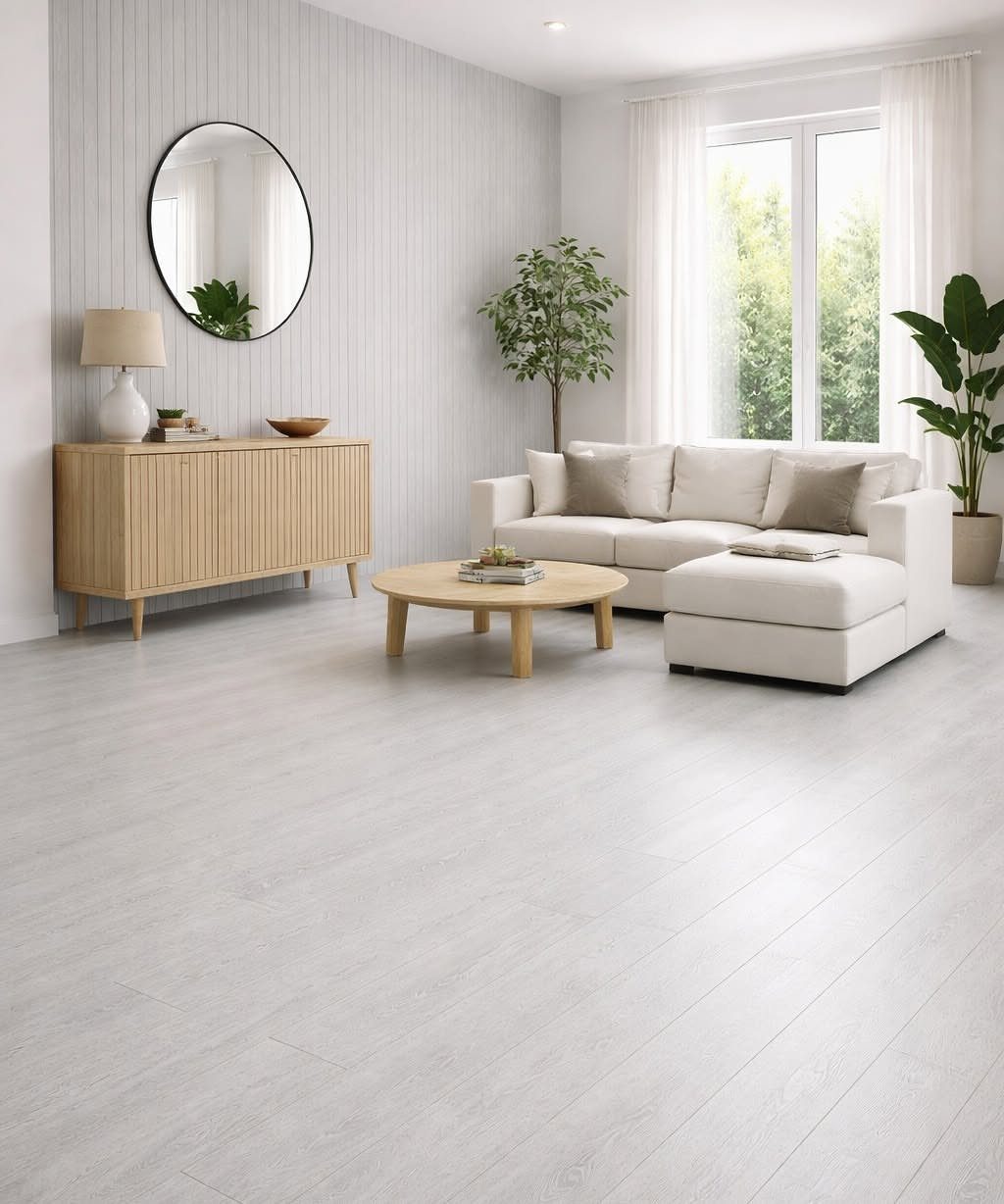
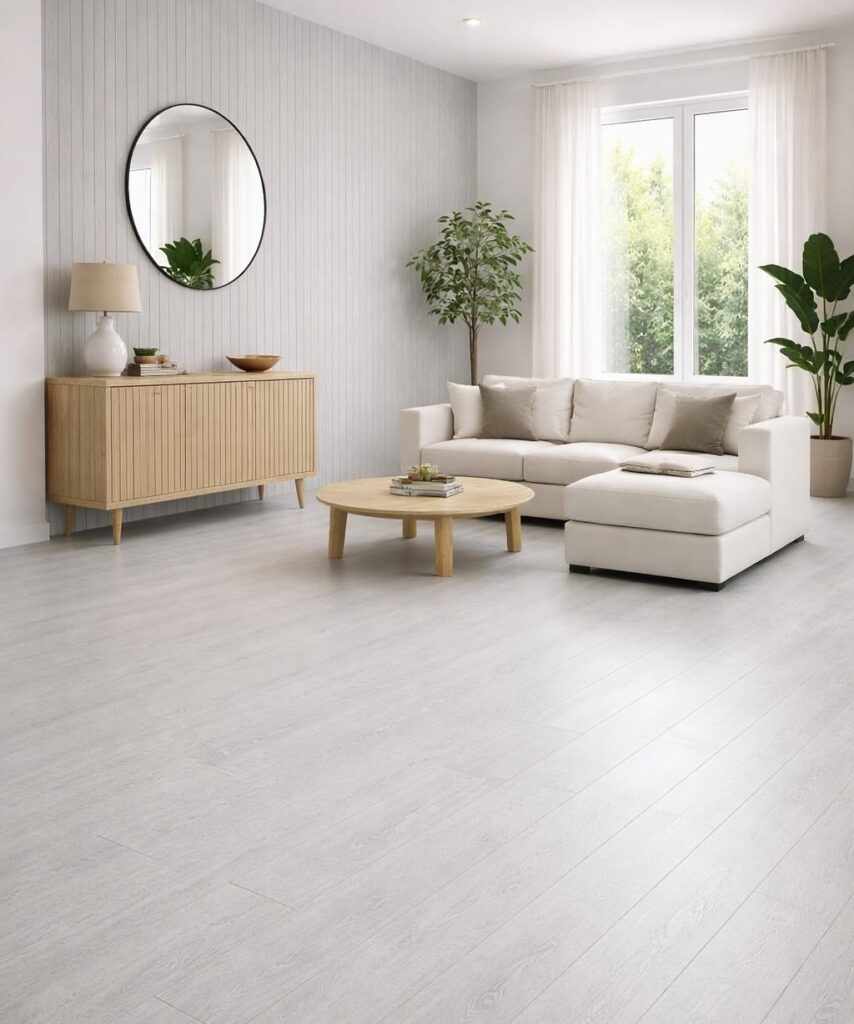
Gray laminate leaves room in the budget for the couch you actually want to sit on. Thicker laminate with a strong locking system holds up to kids, dogs, and the chair that gets dragged across it weekly.
I installed laminate in a rental once; the hollow tap underfoot took a day to stop noticing, and a quality underlayment fixes most of it.
Skip it for the bathroom unless you find a waterproof line. For a family room with heavy traffic and light spending, this is where I’d start.

LUXURY VINYL FLOOR TILES: For use indoors and in temperature-controlled environments only, MSI brings adhesive flooring up a notch with Glue-Down floor planks – stylish at the surface with the authentic look of real wood plank flooring
LUXURY VINYL FLOOR TILES: For use indoors and in temperature-controlled environments only, MSI brings adhesive flooring up a notch with Glue-Down floor planks – stylish at the surface with the authentic look of real wood plank flooring

Coverage, Dimensions & Loss Factor Guide - Includes 36 precision-cut planks per box, each measuring 36" x 6" with a 0.08" solid thickness, covering 54 sq. ft. total. Engineering Recommendation: Due to perimeter cuts and pattern matching, calculate room square footage with a standard 10% cutting loss (Effective net coverage: ~48 sq. ft./box). To prevent batch-to-batch color variance, order all required boxes in a single shipment.
2. Carpet
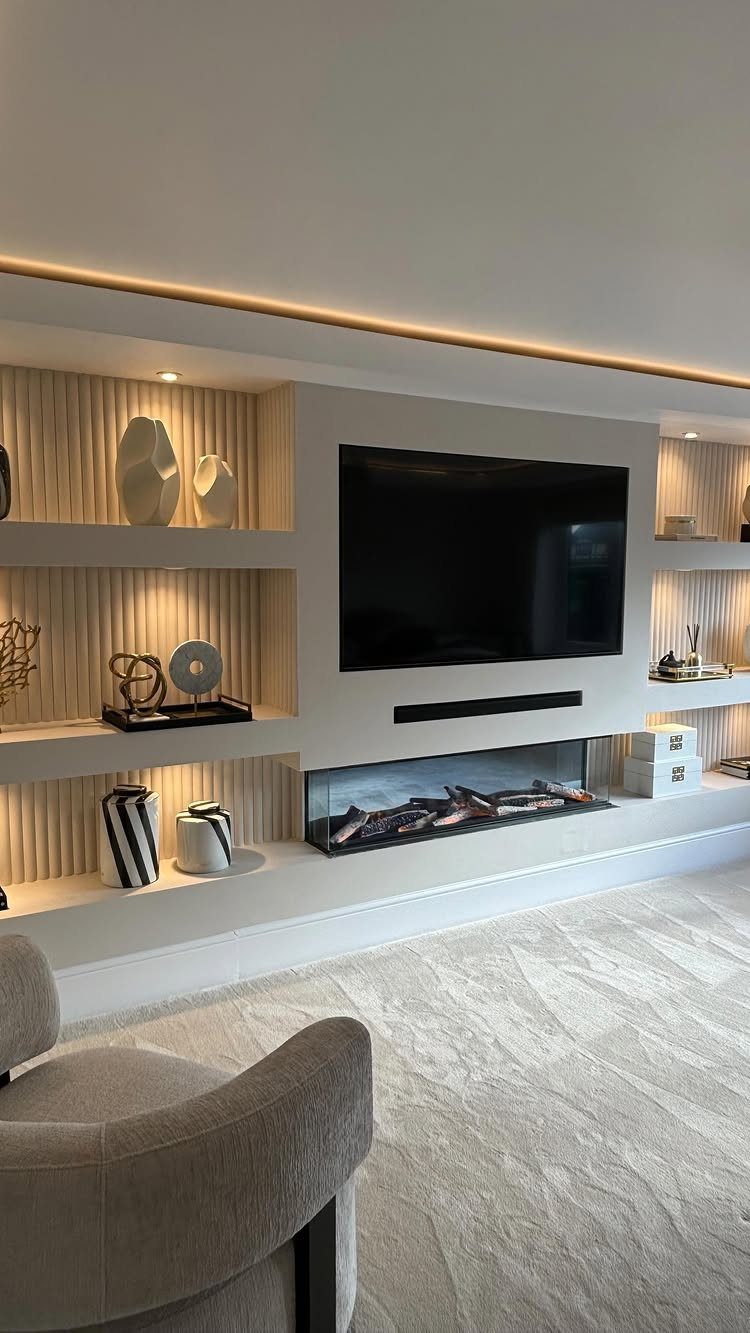
Beige textured carpet still carries the memory of my grandmother’s shag, but modern fibers clean up with water instead of panic.
Carpet absorbs the sound of a movie running loud enough to hear over the dishwasher, over footsteps, over a toddler learning to run.
Stain-resistant treatments matter more than pile height with kids in the house.
I’d vacuum twice weekly and rent a cleaner seasonally; the coziness trades away to dust for allergy sufferers, and hard flooring with a thick rug splits the difference if sneezing runs in your family.

Lightweight Washable Rug - Our washable rugs are created to make maintenance a breeze. The area rug is ultra-thin with a 0.25-inch low pile height, spill & stain-resistant, it's easy to schlep to the washing machine for a deep cleaning when the inevitable "oops" happens.

MACHINE WASHABLE: Our rug can be washed directly in washing machine in cold water and dried without heat. Daily maintenance is simple and convenient
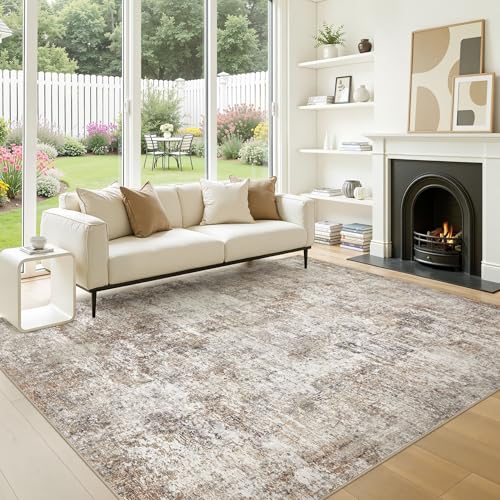
Machine Washable & Easy Care: Simply toss this washable area rug into washing machine on a gentle cold cycle for a thorough clean. Its stain resistant surface and quick-drying low pile design make it the easy-care rug for busy households, kids, pets
3. Porcelain or Ceramic Tile
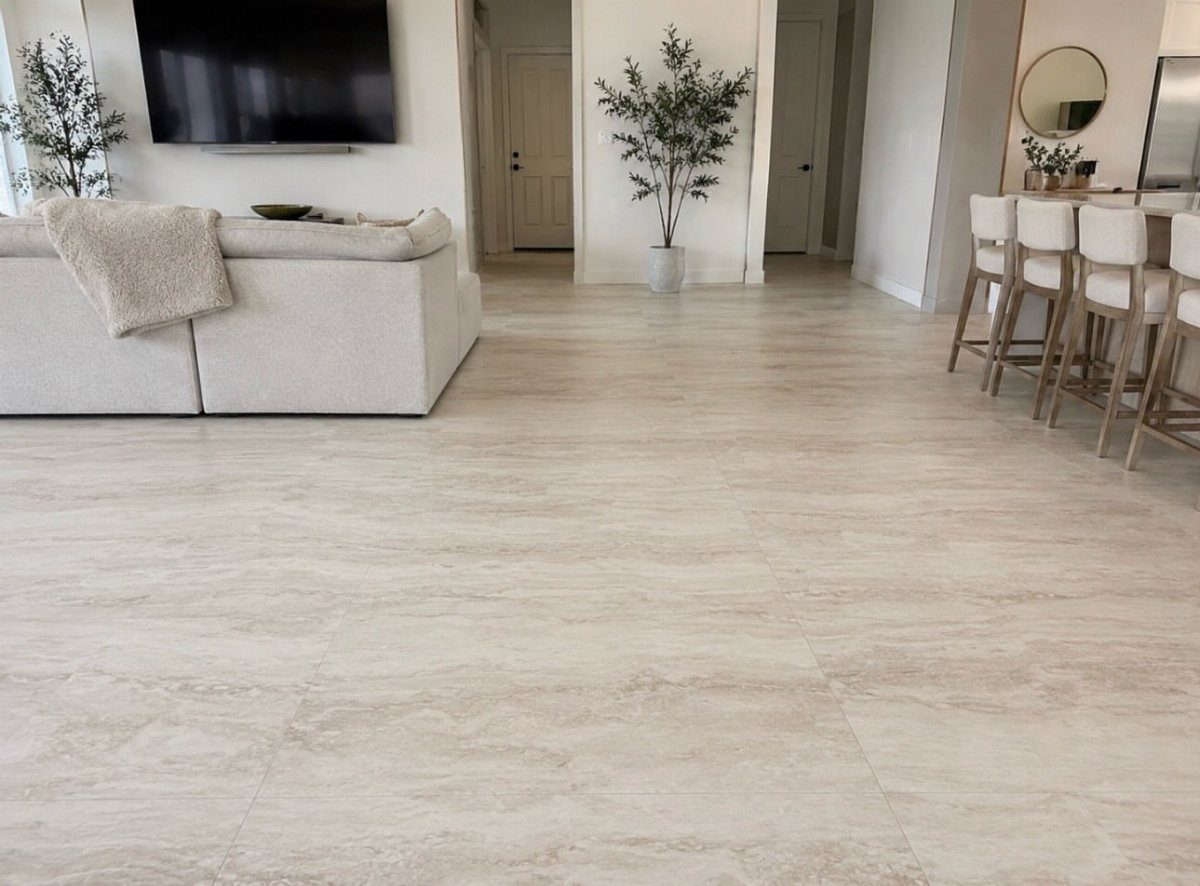
Stone-look tile in a family room connects kitchen spills to living room Lego sessions without a threshold to trip on.
The surface is impervious to water, which means juice, dog bowls, and the plant you overwater: all of it wipes away.
Cold and loud underfoot are the real costs. Radiant heating underneath fixes the temperature; area rugs cut the echo and give bare feet somewhere soft to land.
Check the slip rating if small kids or old dogs use the space. Grout needs sealing every few years, a small maintenance line item for flooring that outlasts the furniture.

Easily refill any Bona floor cleaner spray bottle or mop cartridge

Residue-free, fast drying solution that removes dust, dirt and grime to reveal the floor's natural shine

This product is not a floor cleaner
4. Light Hardwood Flooring
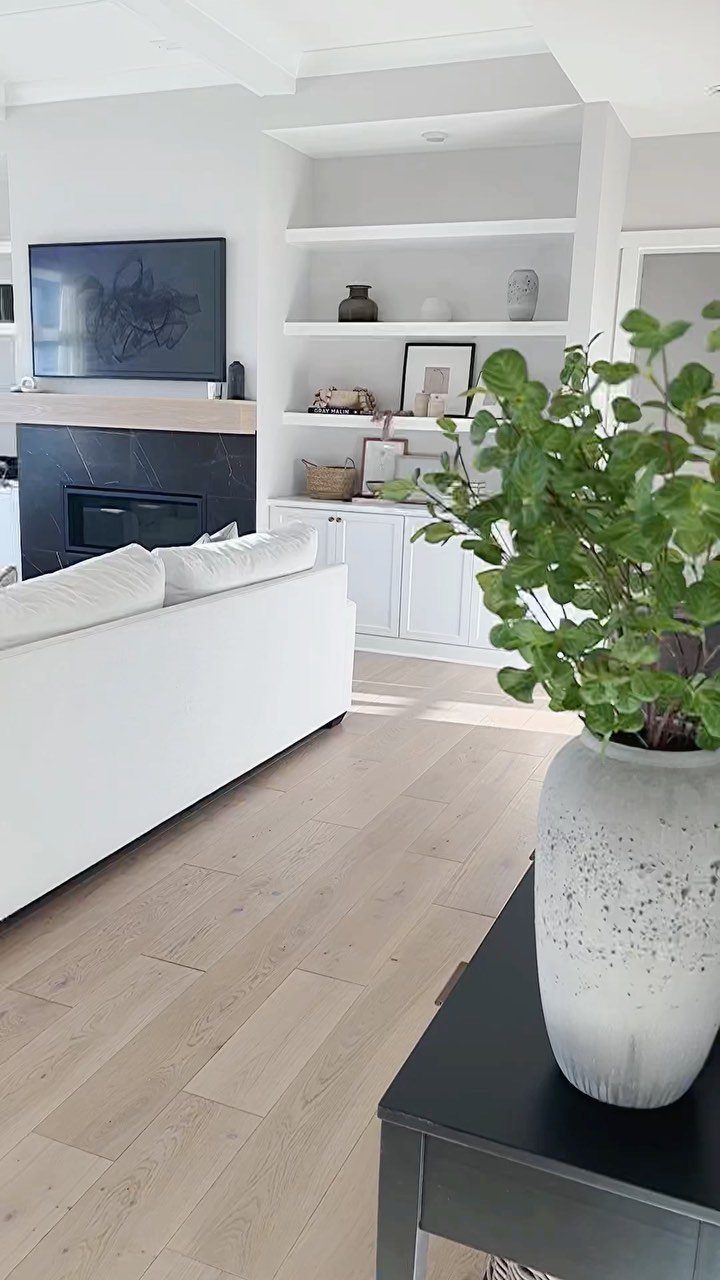
Oak or maple in a pale stain bounces daylight around a room that otherwise depends on lamps by late afternoon.
I’d consider engineered hardwood for any family room near a kitchen or exterior door; the layered construction resists the humidity swings that warp solid boards.
Scratches show less on light wood than dark, a counterintuitive win. Refinishing erases deep damage, extending the life well past laminate or vinyl.
Budget runs higher, and water sits on it instead of beading; wipe spills fast, or choose something else for the snack zone.

For use as a vapor barrier when installing Vinyl, laminate, SPC and engineered wood flooring

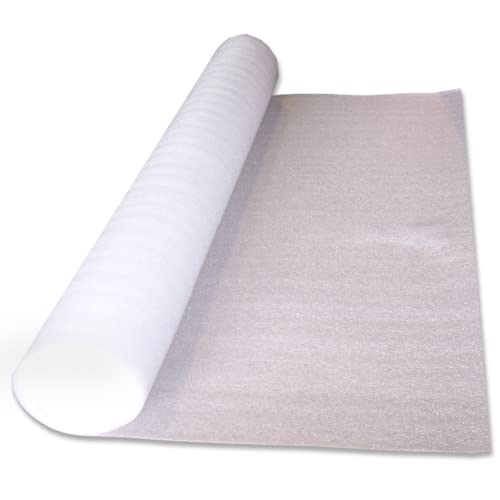
Multipurpose Foam Underlayment – Ideal for laminate and engineered wood flooring; bridges minor subfloor imperfections for a smoother surface.
5. Herringbone Wood Flooring
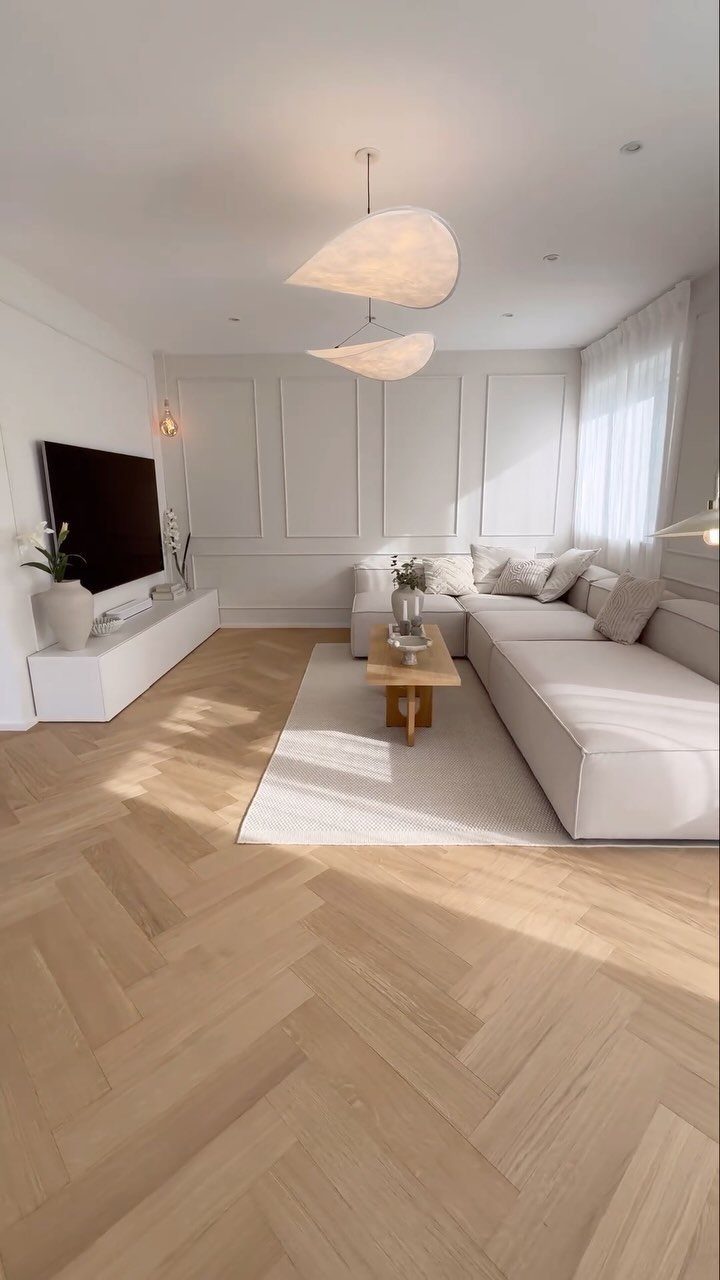
The angled pattern reads custom because it costs custom: more cuts, more waste, more labor hours that add up fast.
I’d reserve herringbone for a room where the floor is the statement and the furniture stays simple, letting the geometry breathe.
Engineered planks handle the precision cuts better than solid wood, shrinking less and locking tighter. The pattern runs diagonal to walls, so measure carefully around fireplaces and built-ins where the angles get complicated.
For a weekend DIYer, standard plank orientation finishes faster with less cursing.

Realistic Visual Effects: SULSUMIC flooring faithfully replicates authentic wood grain and natural hues, offering a look and feel that rivals solid wood. It instantly elevates your home’s aesthetics, creating a warm and comfortable living space

【Ultra-Durable & Pet-Friendly】With a 0.3mm wear layer tested over 15,000 abrasion cycles, this luxury vinyl plank flooring resists scratches, dents, and spills. Ideal for busy homes with pets and kids, it stays beautiful for years even in high-traffic areas.

Realistic Wood Look: Get the authentic look of real wood with grain texture. These floor planks blend seamlessly into any decor style, adding a touch of timeless elegance to your home.
6. Luxury Vinyl Plank Flooring
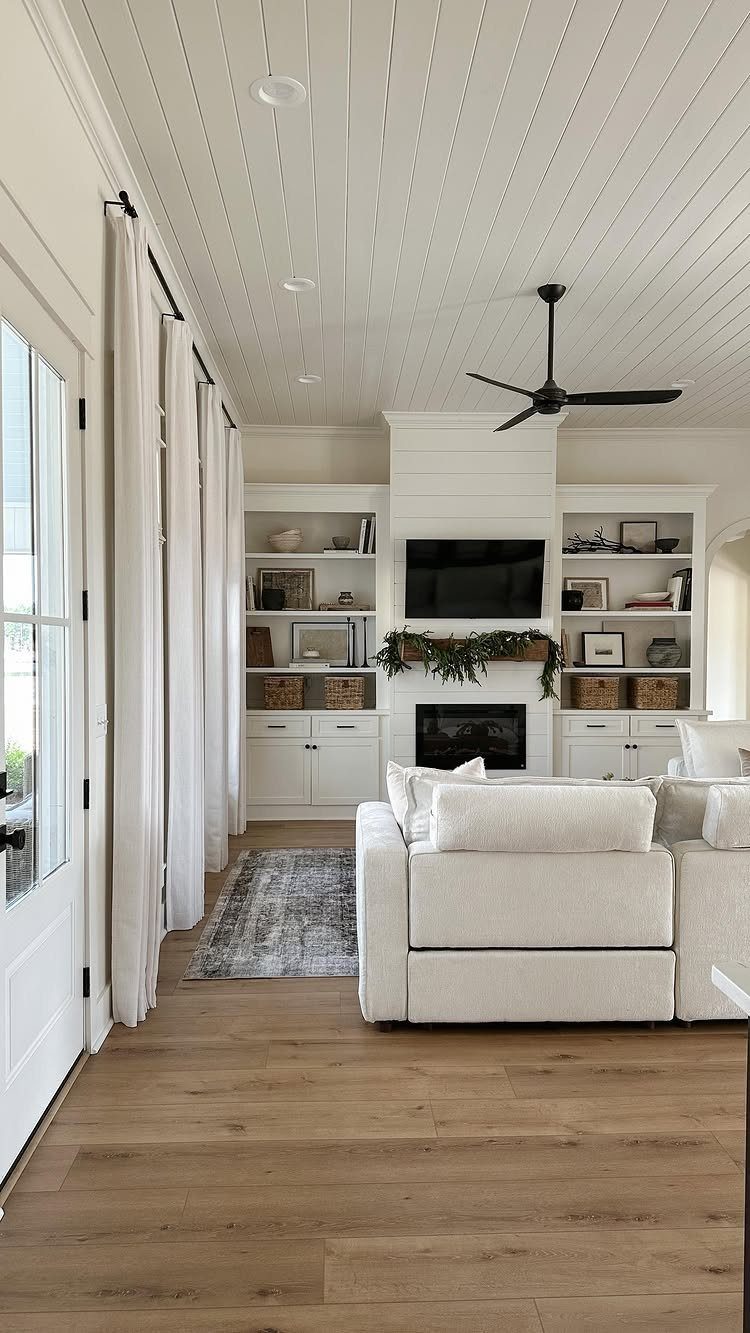
Wood-look waterproof vinyl still sounds wrong to me after years of recommending it. Rigid core construction clicks together without glue, floats over minor subfloor imperfections, and shrugs off the sippy cup that always leaks.
Warmer and slightly softer underfoot than tile, quieter than laminate, LVP hits a middle ground that family rooms actually live in.
The wear layer thickness determines longevity; I look for a thick wear layer in a house with dogs or gravel-trailing kids. It cannot be refinished like hardwood, so replace a plank or live with the scar.
Most homeowners choose replacement without much pain.

Pile: Polypropylene and Polyester - Backing: Cotton - Weave: Machine Made (Power-Loomed) - Made in: Turkey

Designed to withstand everyday wear, this 7' 1 x 10' area rug is the perfect size for living rooms, dining rooms, and bedrooms, or anywhere you want to add a touch of vintage charm.

CLOUD LIKE SOFTNESS AND SUPREMELY COZY: Treat bare feet to absolute comfort. Crafted from premium faux wool, this living room rug delivers a luxuriously velvety soft texture that shields toes from cold floors. The tightly woven fibers to be non-shedding and durable, provides a relaxing environment.
7. Dark Hardwood Flooring
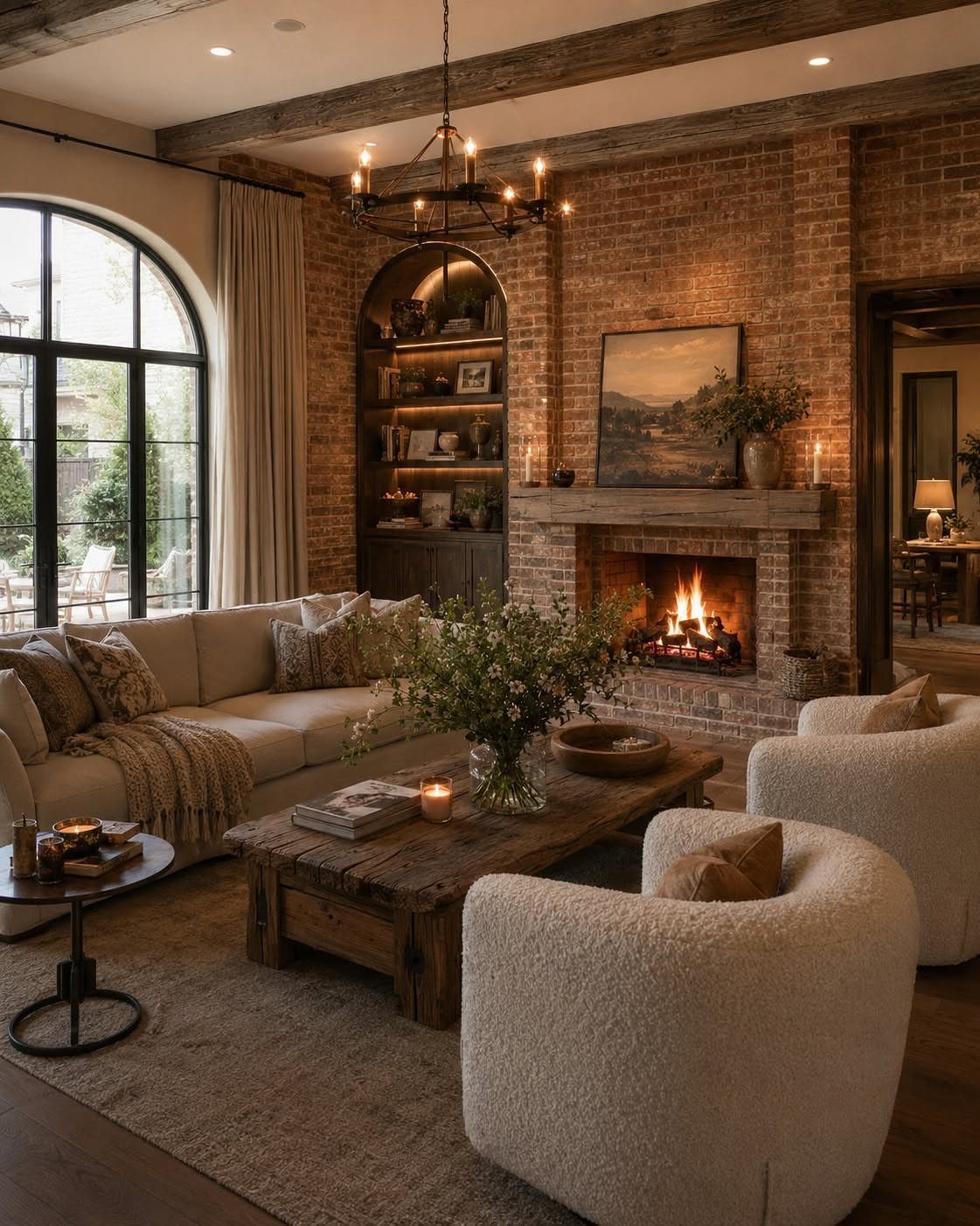
Dark hardwood floors hide the scuff marks that lighter boards telegraph within a month of family life. I saw that difference myself after switching from birch to walnut in our last place; the same traffic looked like a different house.
Engineered construction handles the humidity swings that make solid hardwood cup or gap, and many styles still take refinishing later if the tone goes out of fashion.
A large area rug over the center buys back the softness kids need for floor play and keeps the fireplace zone from feeling like a stage.
Skip this if your room gets direct afternoon sun; dark wood fades visibly and unevenly. For north-facing or shaded family rooms, it reads as grounded and warm rather than cave-like.

Streak-Free - Specifically formulated to clean finished hardwood floors without streaking or dulling

This product is not a floor cleaner
8. Polished Marble Tile
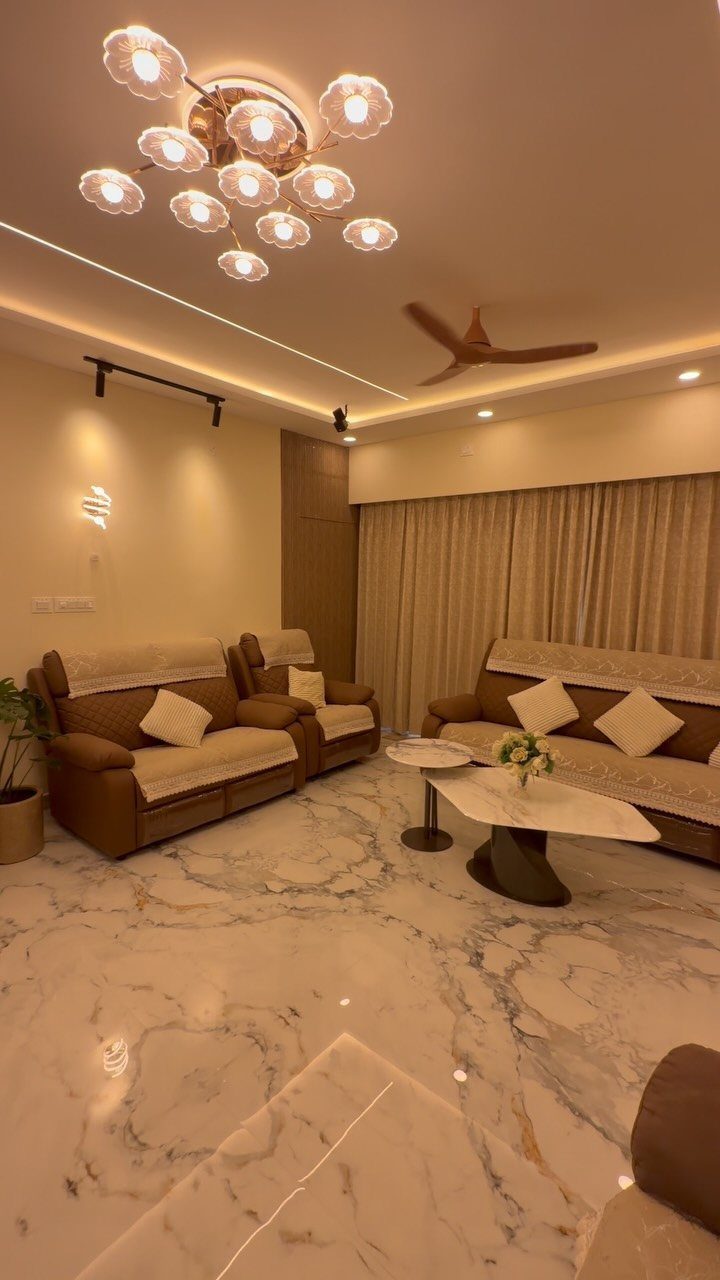
Marble tile this glossy demands a level of tidiness most family rooms do not naturally achieve.
I would not put it in the path of juice boxes or craft paint, but for households past the small-child stage, the cool weight of it changes how a room feels entirely.
Porcelain versions copy the veining at lower maintenance; true marble etches from lemon, vinegar, even tomato sauce, and regular sealing is non-negotiable. White with soft grey veining shows less dust than darker varieties but more of everything else.
Underfloor heating fixes the cold-underfoot problem that makes stone tiles a hard sell for lounging areas. Budget for that addition, or plan on thick rugs where feet land.
9. Polished Concrete Flooring
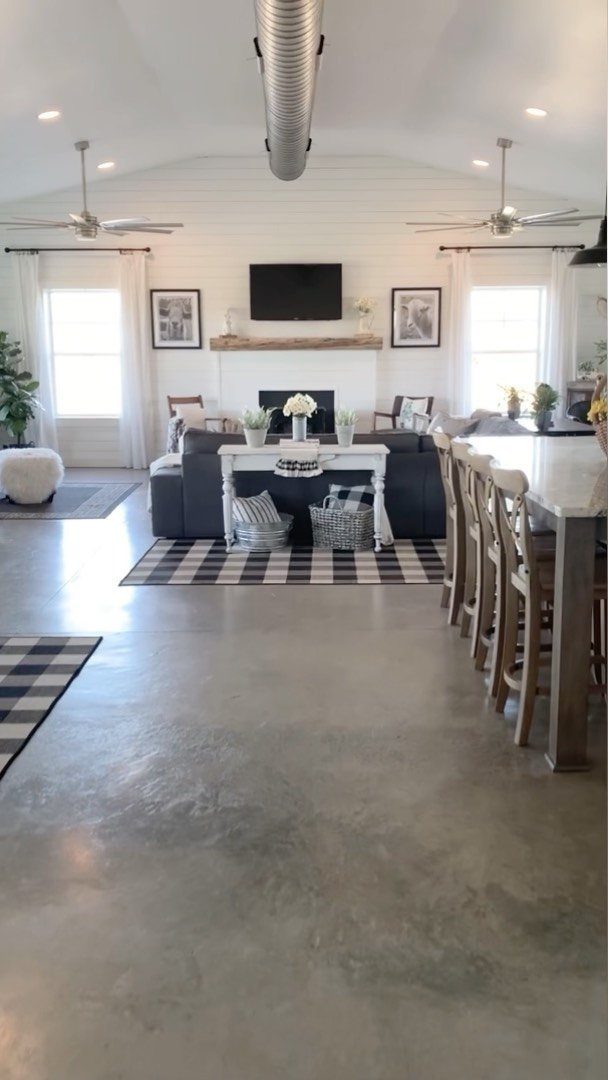
Polished concrete works best when the slab is already there; pouring new just for this look costs more than most weekend budgets allow.
An open plan lets the floor run unbroken from kitchen to seating area, and that continuity is half the appeal.
The finish level matters more than people expect. A true polish, ground repeatedly finer, gives a reflective surface; a simple seal stays matte and shows every drip mark.
I learned that distinction after assuming "polished" meant one thing and getting another.
Area rugs become essential for sound and warmth; without them, voices bounce and winter mornings bite. Checkered rugs break the industrial edge without softening the whole effect.
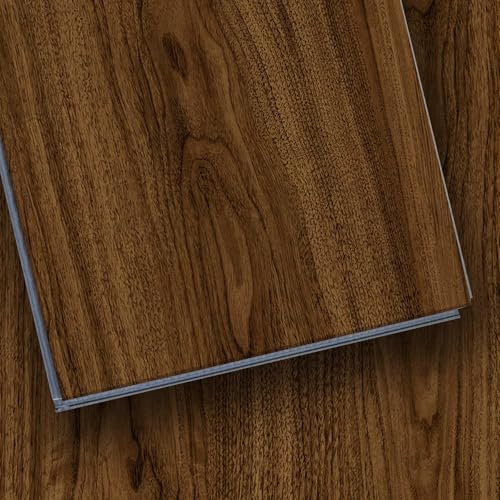
【Ultra-Durable & Pet-Friendly】With a 0.3mm wear layer tested over 15,000 abrasion cycles, this luxury vinyl plank flooring resists scratches, dents, and spills. Ideal for busy homes with pets and kids, it stays beautiful for years even in high-traffic areas.

【Scratch-resistant for living rooms】Wood textured vinyl tiles stand up to pets, kids, and rolling chairs without showing wear.
10. Travertine Stone Tile
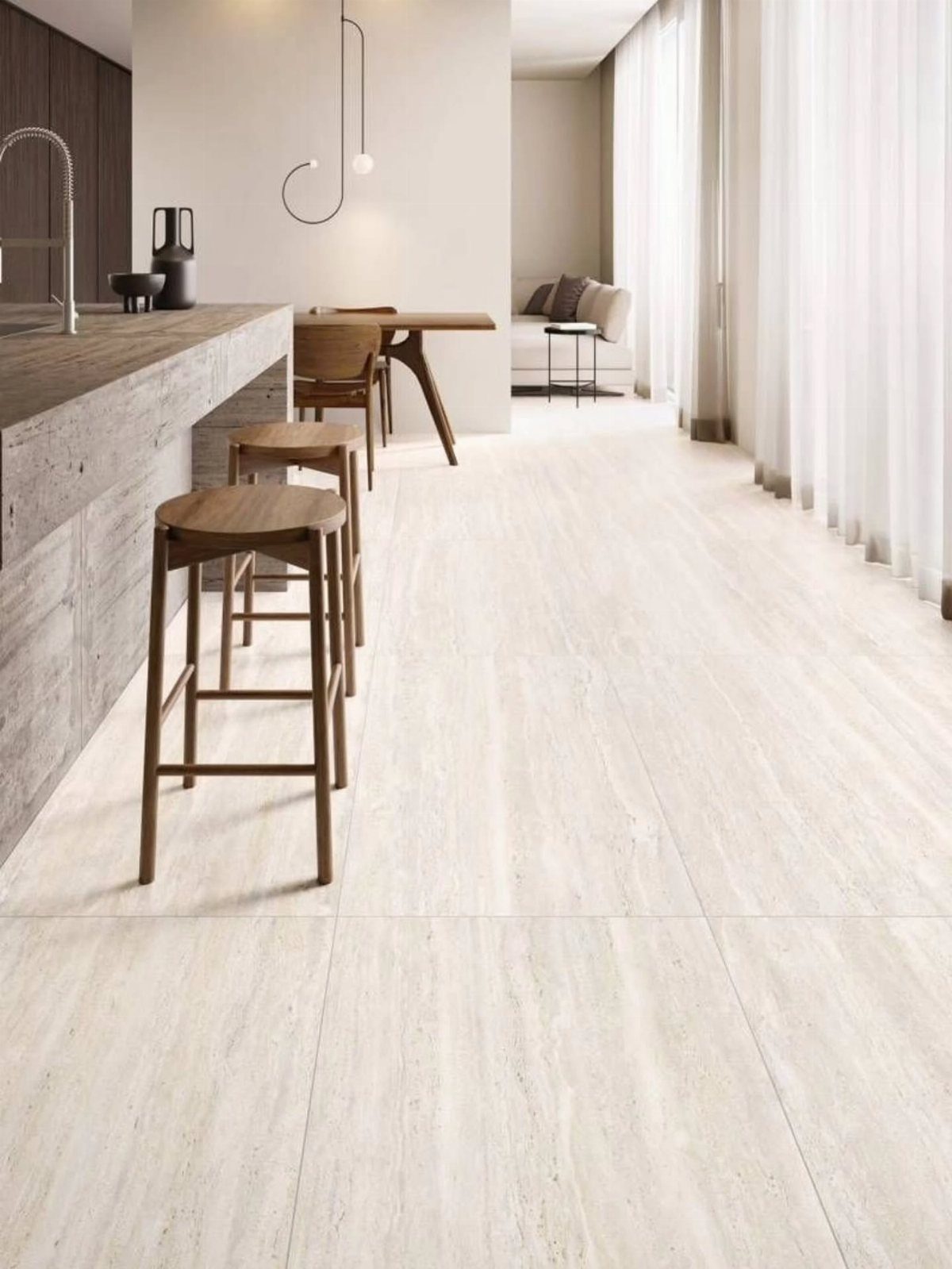
Travertine’s pitted surface hides crumbs and grit better than polished stone, which sounds like a small thing until you sweep a kitchen-dining-living space twice daily.
Light beige tone keeps an open plan feeling connected rather than chopped into zones by flooring changes.
It is softer than granite or marble underfoot, still stone-hard but with slight give; that matters if you are standing at the kitchen island while kids circle the sofa. Sealing is required, and acidic spills etch if left.
I would put this in homes where the kitchen and family room share space and the budget runs to real stone.
LVP in a travertine look costs less and needs no sealant, but the texture under bare feet is not the same.
11. Polished Epoxy Flooring
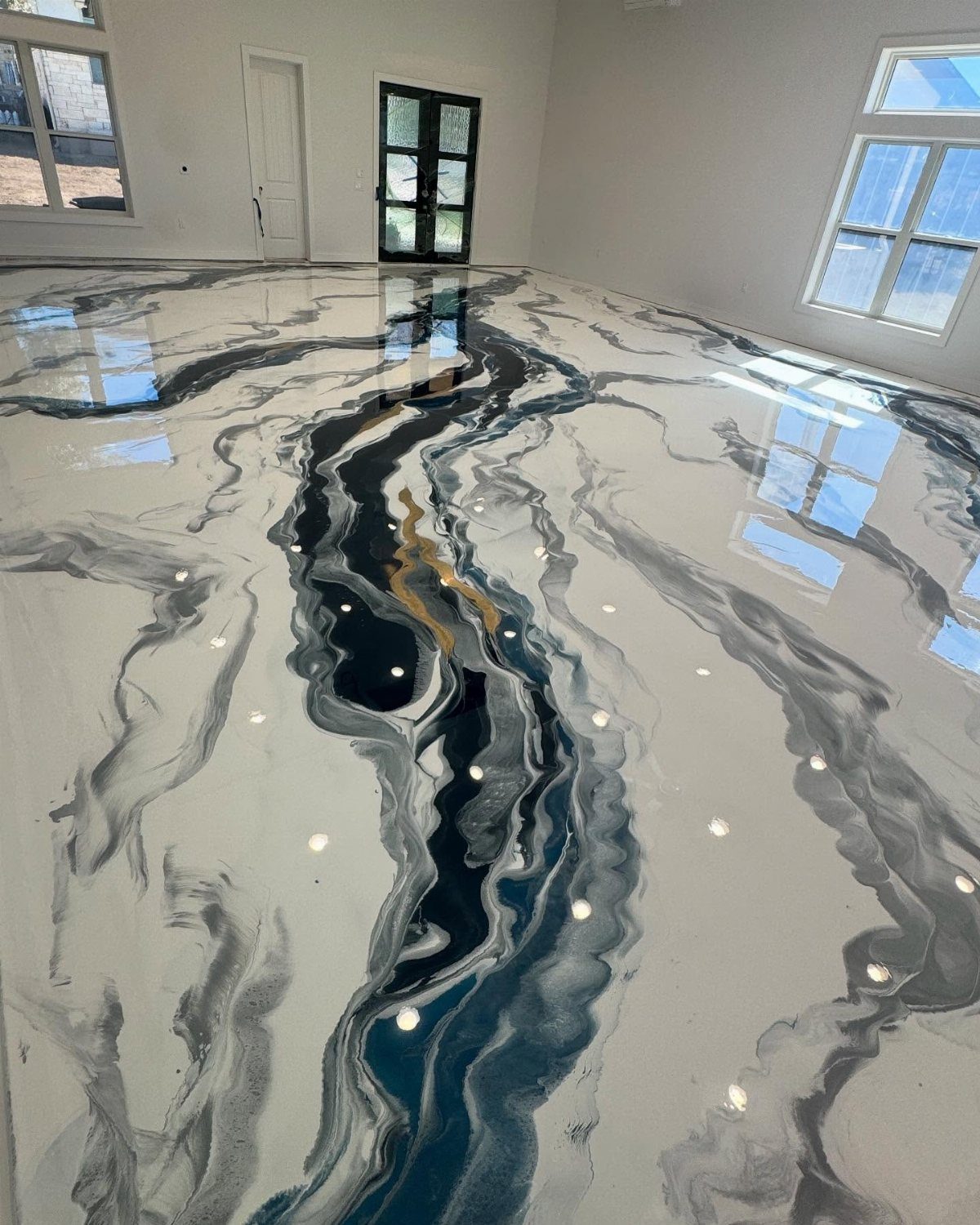
Epoxy floors this decorative sit at the intersection of garage technique and art piece, and the gap between those two is where most homeowners get lost.
The swirling blue-grey-white is achieved by pouring, torching, and manipulating metallic pigments while the resin cures; a single batch sets fast, so the whole floor is a performance with no pause.
Moisture in the slab ruins the bond, and testing for vapor transmission comes before any color decision. Skipping that step risks bubbles down the line, and the repair is not a small job.
For empty-nesters or design-forward couples, the reflective surface and custom pattern justify the fuss. Families with small children should know that dropped toys sound like gunshots and every spill sits visibly on the gloss until wiped.
Flooring for High-Traffic Areas
The busiest path in your house needs flooring that forgives daily punishment without looking tired. LVP and porcelain tile handle this best, but they fail differently.
LVP absorbs years of foot traffic, dog nails, and dragged furniture while keeping the warm look of wood; the rigid core construction also shrugs off water, so the spill that happens during movie night does not become a floor replacement.
Porcelain tile goes further on scratch and dent resistance, nearly indestructible against what children and pets deliver. The trade is hardness underfoot and a colder surface, which area rugs fix where people actually sit.
Berber carpet earns mention here for high-traffic family rooms that want softness without immediate flattening. The dense, low loop wears slower than plush styles, though it still demands the vacuuming schedule carpet always does.
Flooring for Pet Owners
Pet owners learn fast that claw scratches and the occasional accident are not training failures; they are the baseline.
Laminate resists the scratching better than its price suggests, and the wear rating printed on the box predicts how many years before the pattern goes cloudy.
Porcelain and ceramic tile stop moisture and odor at the surface, so a mess wiped up promptly leaves no ghost behind. LVP splits the difference: the wood look without wood’s vulnerability to water, scratches, or warping.
Pet accidents pool instead of soaking in, and cleanup needs no urgency-driven panic.
True hardwood with pets is possible but expensive in attention. Engineered wood with a factory-applied aluminum oxide finish buys some scratch resistance, though refinishing eventually becomes necessary.
Solid hardwood without that tolerance for maintenance should stay off the list.
Comfort and Warmth
Carpet still wins for the room where toddlers build block towers and teenagers sprawl with phones. Modern stain-resistant treatments mean water often handles the spill that would have sent older households searching for club soda.
The rug gives crawling knees and sitting bones the cushion they need, lifts for cleaning when pollen season peaks, and changes out when the pattern tires you. Engineered hardwood or LVP underneath keeps the structural warmth for buyers later.
Kitchens and bathrooms need moisture-resistant flooring, while living areas prioritize comfort and durability. Consumer Reports breaks down the best options for every room in your home.
Long-Term Value
The extra cost upfront for durable flooring pays back in years without replacement or the inconvenience of living around installation twice.
Engineered hardwood with a factory-finished aluminum oxide topcoat resists the scratches from pet claws, dragged toys, and furniture rearrangement that mark softer surfaces within months.
The cross-ply construction also holds steady through humidity swings that warp solid boards, so the investment does not gap or cup on you.
LVP carries a different math: lower initial cost, no refinishing possible, but individual plank replacement handles damage without tearing up the room.
Factory-finished surfaces cure under conditions home application cannot match, creating a denser shield than site-finished alternatives.
Frequently Asked Questions
What is the best flooring for a family room?
Luxury vinyl plank and engineered hardwood are the most practical starting points for most families. I’d pick LVP for households with small kids or dogs, and engineered hardwood where the budget allows and water spills stay under control.
How much does it cost to floor a 12×12 room?
A room that size lands in the small-project range most weekend budgets can handle, though your total depends on the material and whether you need new underlayment.
Material choice drives the spread: laminate and LVP leave room for the couch you want, while herringbone hardwood or poured epoxy run to custom labor costs.
I’d measure carefully, add extra for waste on diagonal patterns, and price underlayment or sealant as its own line item.