These ideas run from vinyl you can roll out in an afternoon to 3D epoxy that needs a level floor and a patient hand with the pour.
The right one depends on whether your subfloor is dry enough for wood, level enough for tile, or rough enough that microcement saves you the demolition.
I still remember a wide-plank vinyl pattern hiding an out-of-square laundry room; that kind of cheat is in here too.
1. Vinyl Flooring
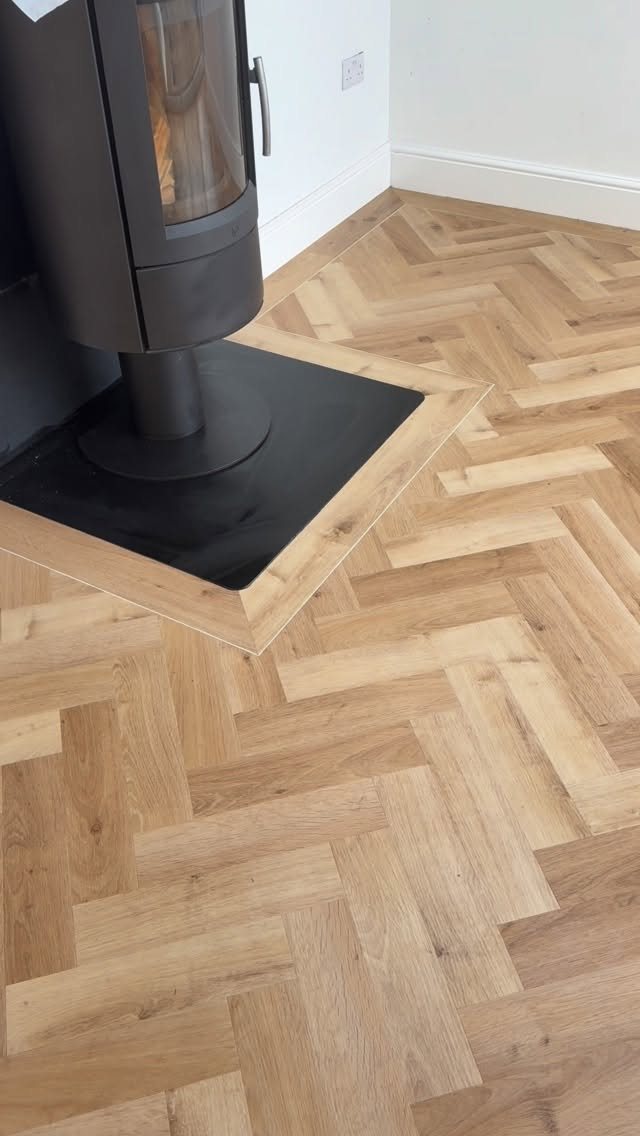
Vinyl that looks like real oak costs less than the wood it copies, and the good stuff carries texture you can feel under your hand.
I put it in a bathroom once where the old tile had cracked from the house settling; the planks clicked together in an afternoon and the herringbone pattern let me hide a slightly out-of-square room.
Water resistance is the real draw here. Every vinyl product holds up to standing water, so basements, kitchens, and mudrooms are fair game where wood would swell and warp.
The soft feel underfoot beats tile for long cooking sessions, though it dents if you drop a cast-iron skillet.
Check the wear layer thickness before you buy; the thin bargain stuff shows scratches inside a year with a dog or heavy traffic.

Chic Design & Wood Texture - Classic herringbone pattern with realistic wood grain texture, combining classic charm with the rustic beauty of natural wood, add a touch of earthy warmth to your interiors.

【Premium Thickened Vinyl Flooring Roll】Experience our 1.5mm thick vinyl flooring roll with 5 layers for enhanced quality. It's non-slip, non-fading, and provides thermal insulation. Measuring 23.6" x 118", it covers 19 sq ft without snap-lock installation, making it hassle-free and stylish.
2. Tile Flooring
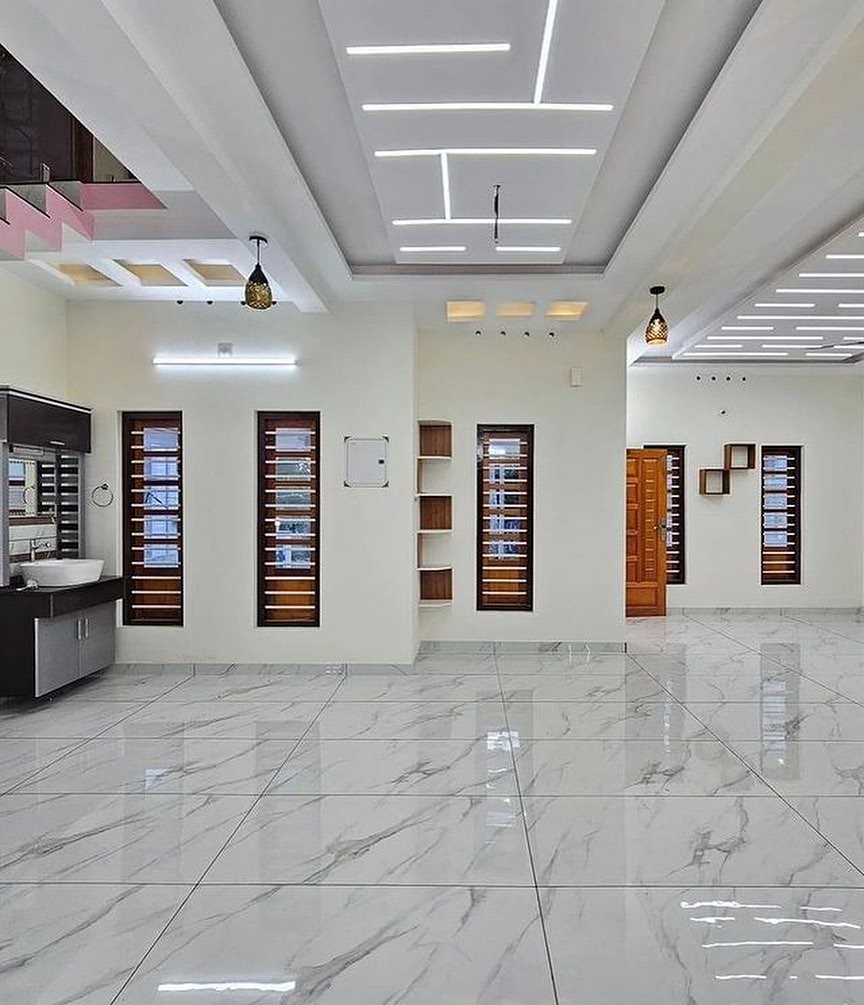
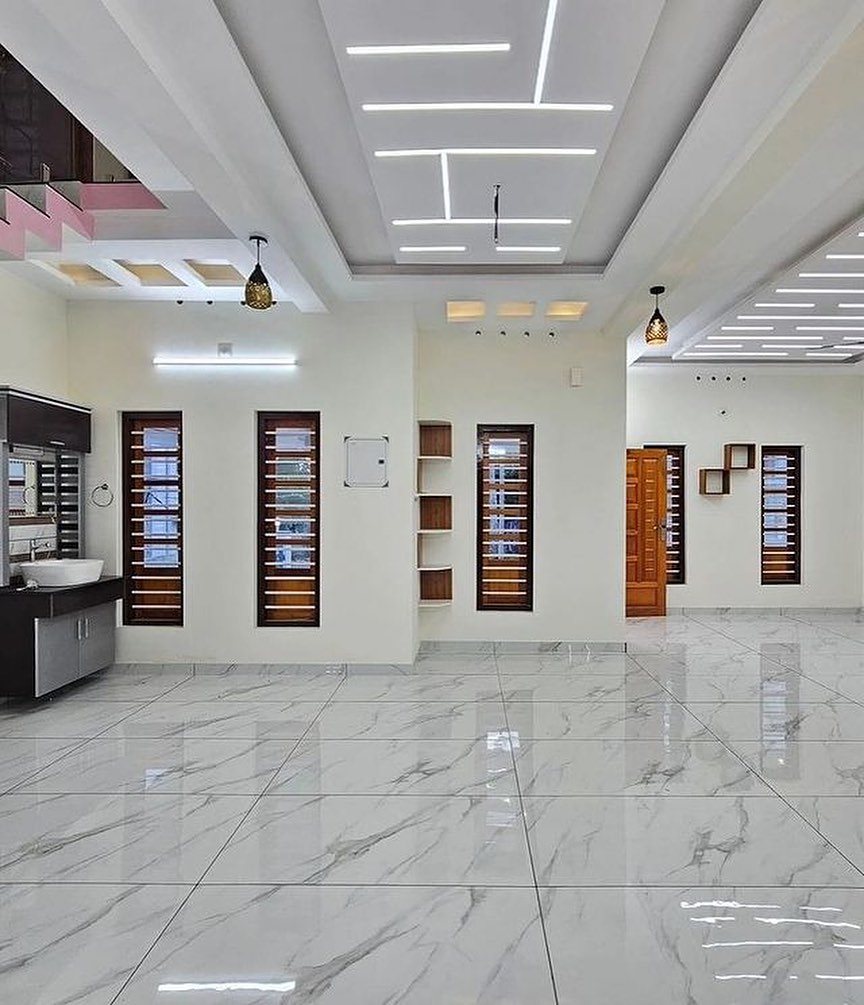
Marble-patterned tile reads expensive from across a room, but porcelain runs a fraction of the cost of real stone and shrugs off water completely.
I like it for the statement moments: a powder room floor, a laundry room, the entryway where guests first step inside.
Small tiles, around an inch and a half to two inches, buy you natural skid resistance through grout lines alone.
For wet areas like a main bathroom, matte finish with some texture in the surface beats polished every time; no floor is truly slip-proof, but sandy-feeling tile gets close.
Keep the grout sealed or it stains. That maintenance is the trade for a floor that otherwise needs almost nothing.

VERSATILE FLOOR & WALL TILE – 8x8 inch matte porcelain tile suitable for both floor and wall applications, including kitchens, bathrooms, backsplashes, shower surrounds, entryways, fireplace surrounds, and decorative feature areas in residential and light commercial spaces

VERSATILE FLOOR & WALL TILE – 8x8 inch matte porcelain tile suitable for both floor and wall applications, including kitchens, bathrooms, backsplashes, shower surrounds, entryways, fireplace surrounds, and decorative feature areas in residential and light commercial spaces
VERSATILE FLOOR & WALL TILE – 8x8 inch matte porcelain tile suitable for both floor and wall applications, including kitchens, bathrooms, backsplashes, shower surrounds, entryways, fireplace surrounds, and decorative feature areas in residential and light commercial spaces
3. Laminate Flooring
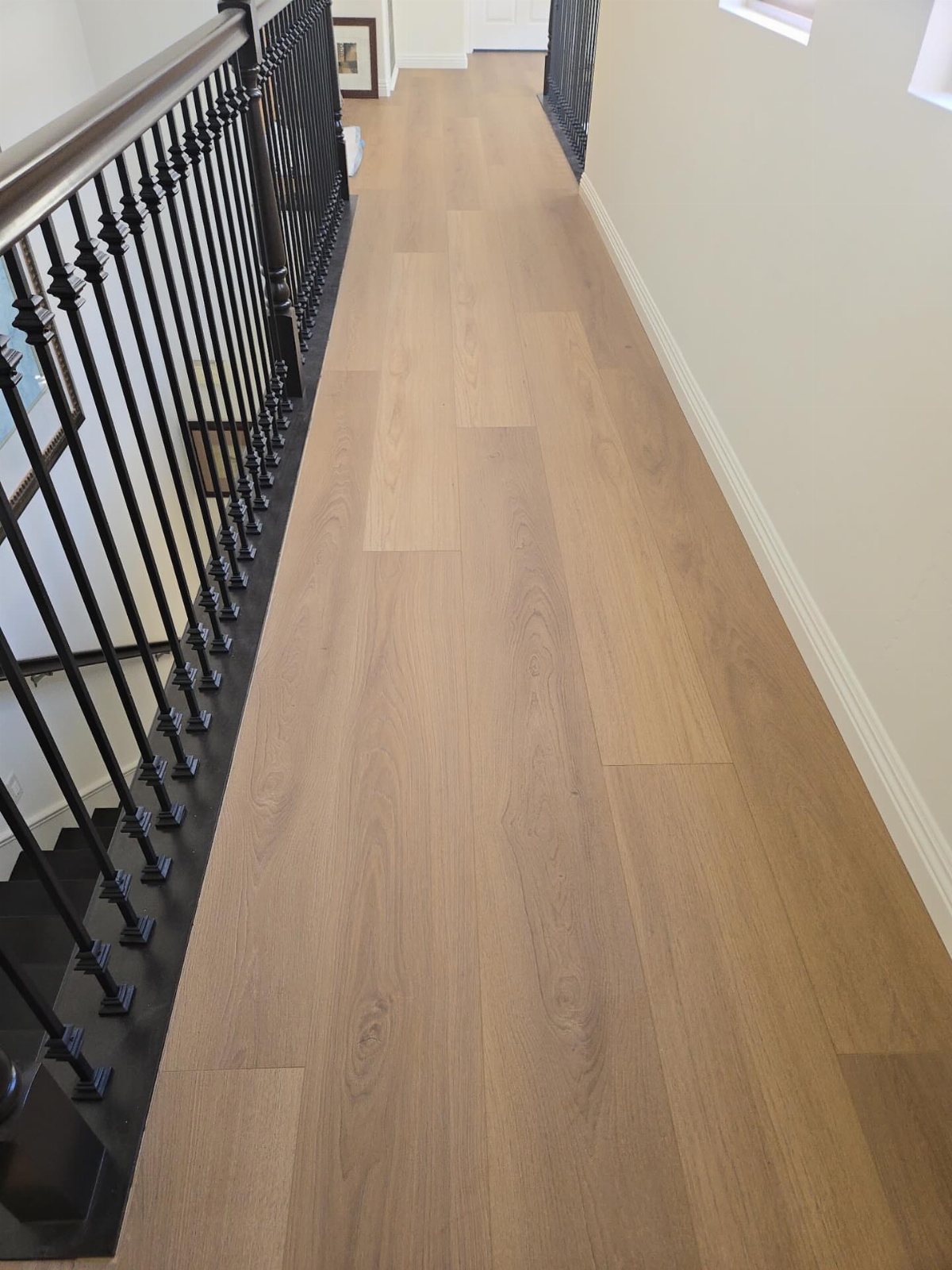
Laminate was what I could afford when I bought my first place, and the wide planks with individual board patterns fooled a contractor who walked in without looking down.
It clicks together without glue, which matters when you are laying it yourself over a weekend and need to sleep in the house that night.
The fiberboard core swells if water sits on it, so basements with any history of moisture are out, and kitchens need care with splashes. Scratch resistance is solid for daily life; I dragged a desk across mine and found nothing.
Refinishing is not an option, though, so when the surface goes, the floor goes.
For the look of wood on a tight timeline and tighter budget, it wins. For a forever home, it buys time until you can save for something else.

Traditional Options: Variety of rustic colors choices

Natural Stone Appearance: Realistic textured design with a matte finish replicates the elegant look of weathered stone.
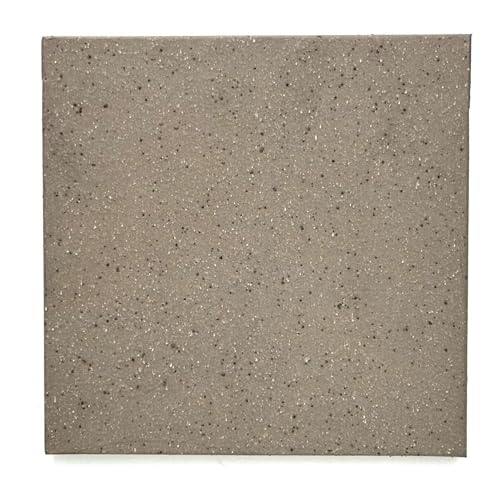
Durable Quarry Tile Construction – Made from high-strength extruded ceramic with a textured finish for excellent wear resistance and long-term use in heavy-traffic areas.
4. Hardwood Flooring
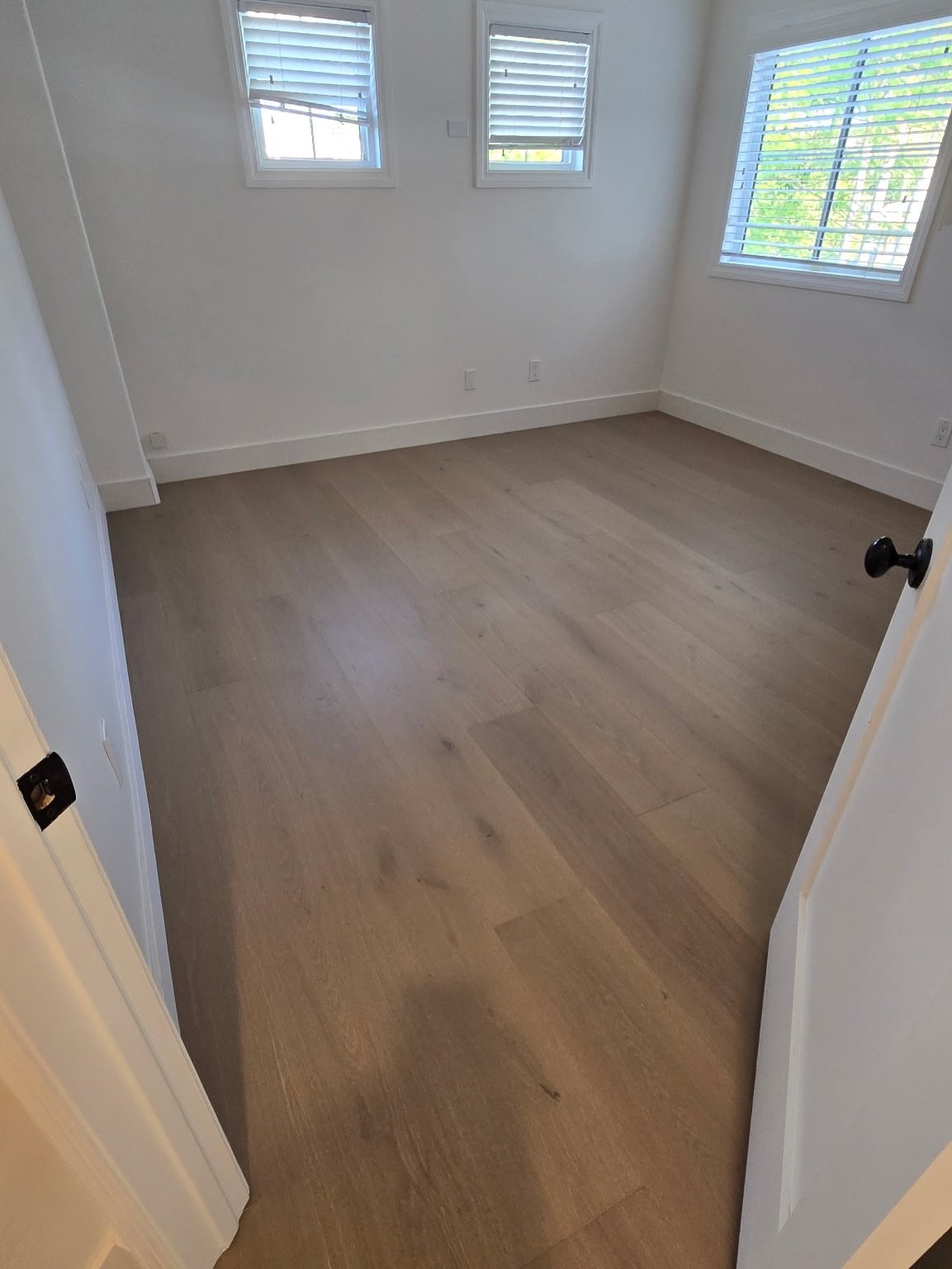
Oak or maple underfoot warms a room in a way nothing else manages, and the ability to sand and refinish means the floor outlasts whatever finish trends come and go.
I have seen old oak stripped down to bare wood and brought back three shades lighter than it started; try that with any synthetic.
Moisture is the enemy. Kitchens need a protective polyurethane coat, and basements are generally a gamble I would not take.
Species matters for hardness; oak takes abuse, cherry dents if you look at it wrong. The upfront cost stings, but the return on resale is real and the floor itself may never die.
Living areas, dining rooms, bedrooms: this is where hardwood belongs. For the spaces where you actually live, not just pass through, it earns its keep.
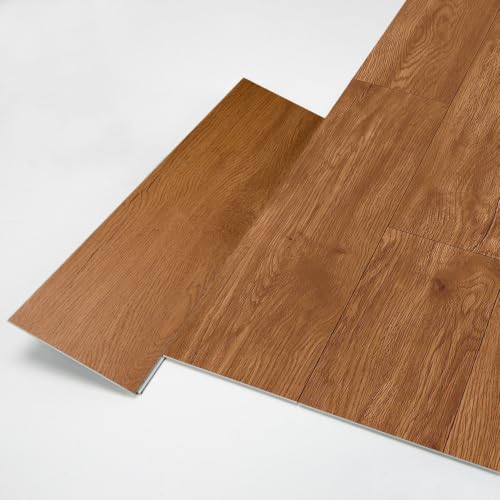
【Scratch-resistant for living rooms】Wood textured vinyl tiles stand up to pets, kids, and rolling chairs without showing wear.

【NAACOO Universal Tapping Block】Close gaps during flooring installation, you just put this portable tapping block on the floor tongue, then tapping it, make the tongue and groove or edges of resilient vinyl planks, laminate or hardwood, Joins flooring planks creating tight seam. Whole process without damaging the floor.

【Scratch-resistant for living rooms】Wood textured vinyl tiles stand up to pets, kids, and rolling chairs without showing wear.
5. Engineered Wood
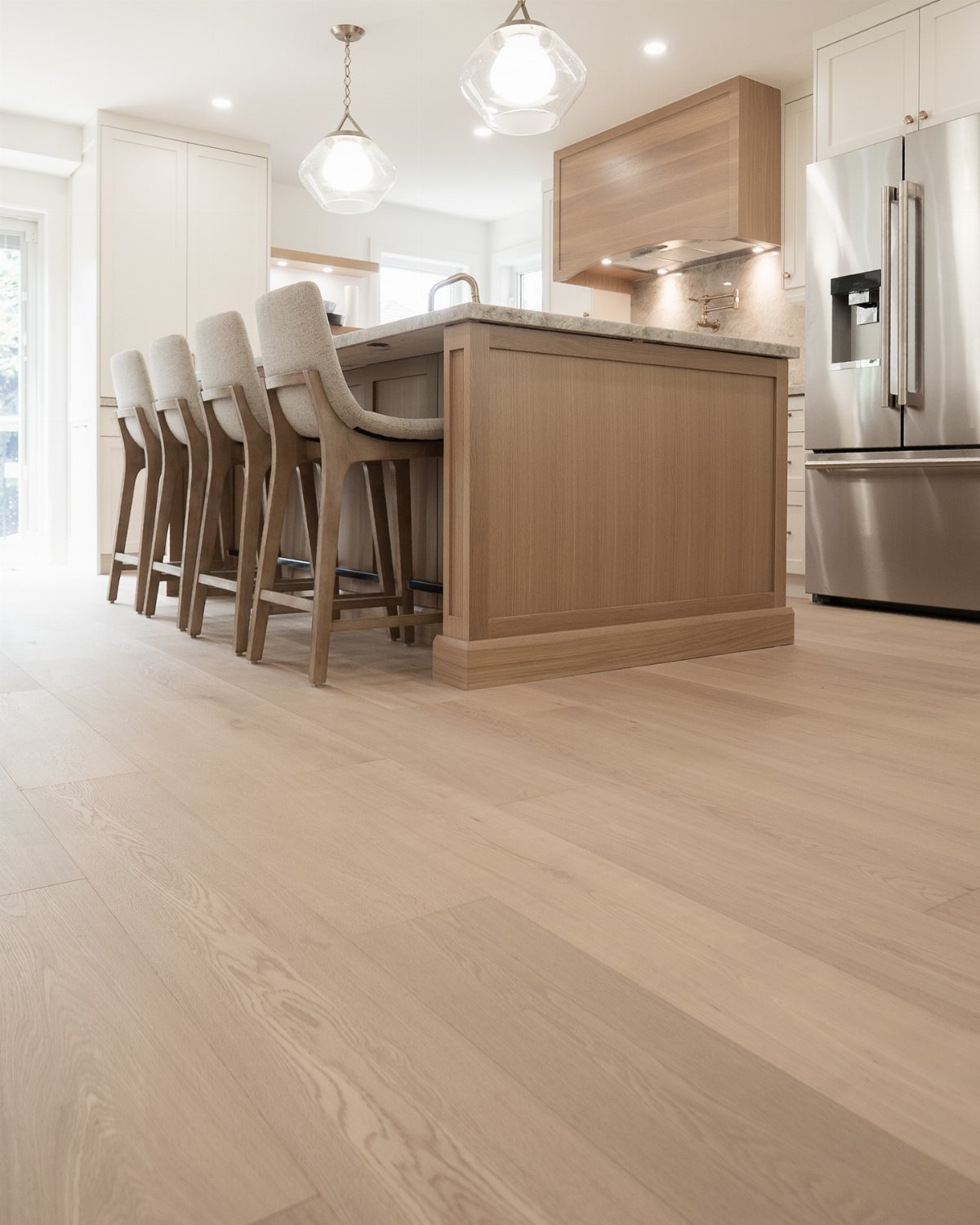
A plywood core with a thin hardwood veneer on top gives you the look of solid oak at a lower price, and the construction resists the moisture shifts that warp solid boards.
Engineered wood goes into kitchens and basements where solid wood would have failed fast, floating over concrete or glued down depending on the subfloor.
The veneer is thin; sand it more than once or twice and you hit the substrate. Some varieties are priced low enough to put real wood grain in reach of budgets that would otherwise land on laminate.
Click-lock installation saves on labor if you are handy, though glue-down costs more and performs better in high-traffic areas.
For a modern kitchen with wide planks and the appliances to match, this is the practical wood choice. It trades the multi-generational lifespan of solid hardwood for the freedom to put wood where wood should not go.

HIGH-GLOSS MARBLE EFFECT – Upgrade plain floors with a rich colored-sand finish that creates a glossy, speckled marble-inspired look. Adds visual depth and a clean, premium appearance to garages, basements, workshops and more.

Complete Tool Kit: All-in-one epoxy floor tool Kit for colored sand epoxy floor coating. Includes work gloves, stainless steel trowel, 4-section extension pole, paint roller, spiked roller and spiked shoes. Covers full DIY & commercial epoxy floor jobs: priming, spreading, defoaming, walking on wet epoxy, no extra tools needed for garage, basement epoxy projects.

【Premium Construction】All metal parts in this self-leveling cement tool kit are crafted from high-quality stainless steel for excellent corrosion and rust resistance. Built for durability, they withstand moisture and cement exposure, ensuring long-lasting performance for leveling, smoothing, and finishing tasks in professional or DIY flooring projects.
6. Carpet Flooring
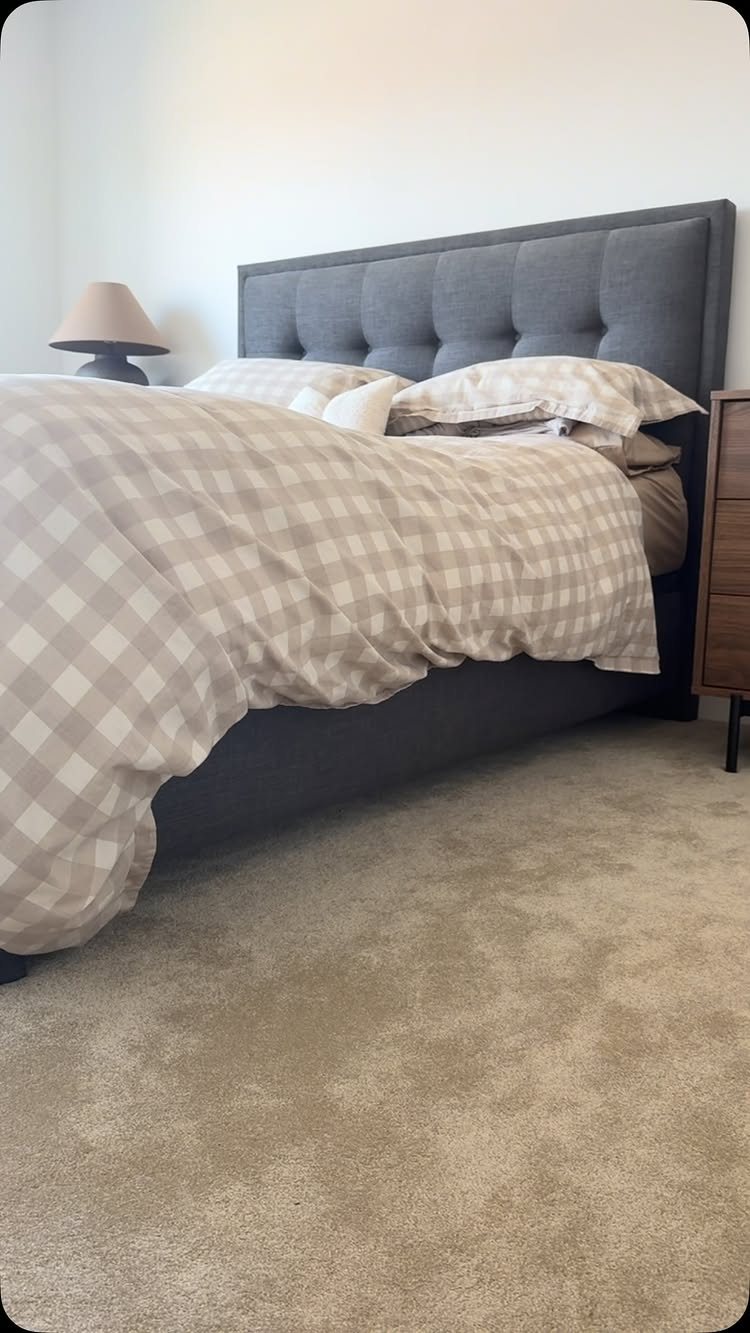
Wall-to-wall carpet in a bedroom still feels like a small luxury to me, the kind of thing that makes bare feet on a January morning tolerable.
For a space you want to feel quiet, carpet does the work that hard flooring cannot.
Cut pile runs soft and shows every vacuum mark; loop pile, the Berber style, wears like iron under kids and dogs but feels less plush.
Padding underneath matters as much as the carpet itself; cheap padding kills a good carpet fast.
Cleaning is the real cost, professional every year or two for anything beyond surface dirt, and allergies are a genuine concern if you react to dust and mites.
For bedrooms and spaces where you want sound deadened and toes warm, it still makes sense. For dining rooms or anywhere food lands, I would harden the floor and add a rug you can roll up and beat outside.

Tips:Due to the different screen materials of different devices, the color of the product you see and the actual product may be inaccurate. Color appearance may vary due to screen calibration, lighting conditions. Please refer to the actual product
【Premium Thickened Vinyl Flooring Roll】Experience our 1.5mm thick vinyl flooring roll with 5 layers for enhanced quality. It's non-slip, non-fading, and provides thermal insulation. Measuring 23.6" x 196", it covers 32 sq ft without snap-lock installation, making it hassle-free and stylish.
【Premium Thickened Vinyl Flooring Roll】Experience our 1.5mm thick vinyl flooring roll with 5 layers for enhanced quality. It's non-slip, non-fading, and provides thermal insulation. Measuring 23.6" x 393", it covers 64 sq ft without snap-lock installation, making it hassle-free and stylish.
7. Continuous Flooring
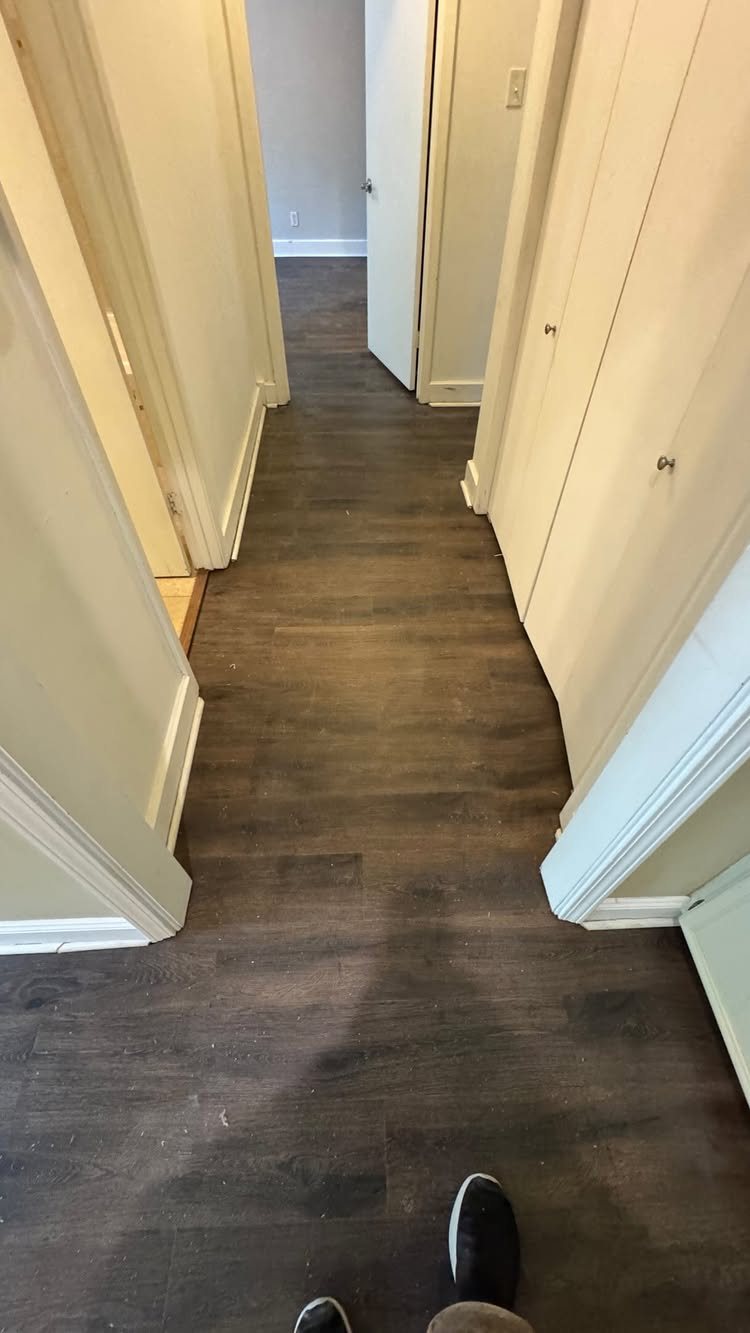
Hallways kill a budget fast if you treat them as separate rooms. Running the same flooring straight through doorways, the way this dark plank does, stretches every dollar by making the whole level feel larger than its square footage.
Committing before you buy takes the most discipline. Once you pick a material, you live with it everywhere the eye travels.
That works best in open plans or small homes where walls already do little dividing. In older houses with chopped-up rooms, the same continuous floor can feel like a missed opportunity to define spaces.
Check your subfloor first. A single material means one prep standard across every room, and the worst spot sets the bar for all of it.

Real Stone Feel, Low Maintenance: Enjoy a sophisticated satin-matte texture that feels like natural stone without the constant need for sealing or special care.

𝗧𝗶𝗹𝗲 𝗠𝗮𝘁𝗲𝗿𝗶𝗮𝗹 𝗮𝗻𝗱 𝗙𝗶𝗻𝗶𝘀𝗵: Gray carrara square marble tile. Each chip is natural marble, so veining and tone vary from piece to piece and no two sheets are identical. The mesh backing keeps the layout aligned so the pattern installs in large sections. Marble is a natural stone that needs a penetrating sealer before grouting and periodic resealing to resist stains.
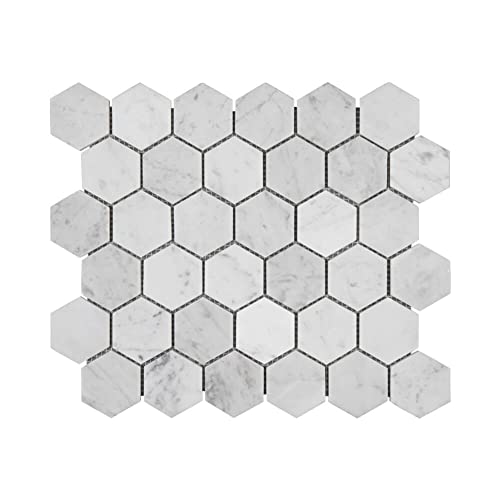
Sheet size: 11.7"x10.2"x0.3"(298mm×258mm×8mm); 5 sheets/box; 4.1SQ.FT./box
8. Cork Flooring Pros
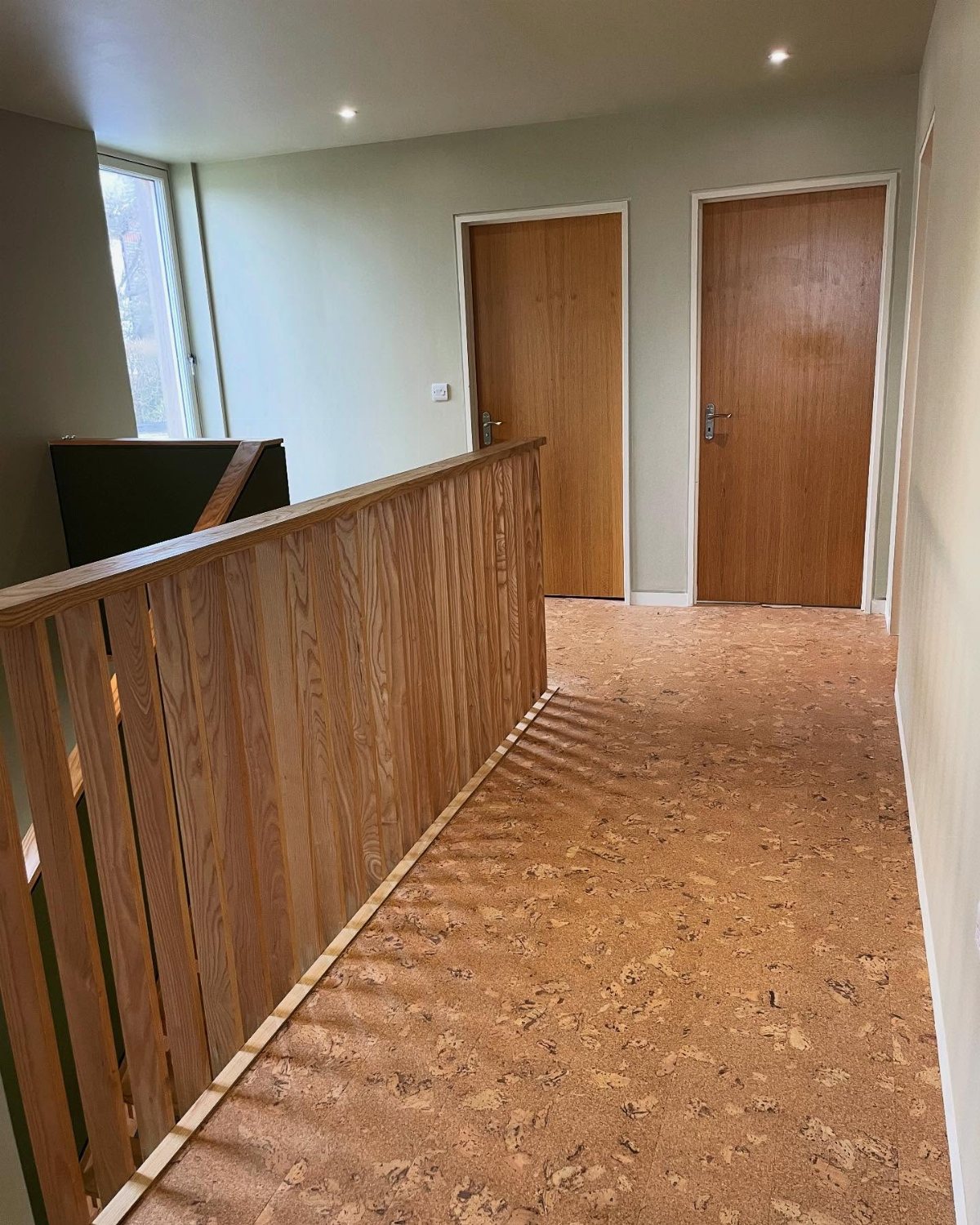
Cork underfoot feels closer to a firm rug than to wood, which matters most where you stand still: kitchens, playrooms, anywhere shoes come off.
The softness comes from the honeycomb structure in cork oak bark, a material that grows back fast enough to harvest again without cutting the tree.
That same structure traps air and sound, so footsteps do not announce themselves downstairs. Warmth follows too; in winter, cork reads closer to body temperature than tile ever will.
Styles have expanded past the dated look that still scares some buyers off. Check current samples before deciding against it.
Dents are the real weakness. Heavy furniture leaves marks that do not spring back, and sharp heels puncture.
For households with big dogs or rolling office chairs, cork asks more patience than it gives.

Coverage and Packaging: 0.49 linear feet; per piece, each piece sold individually; Piece weight equals 1.44 lbs

Premium Spanish Porcelain: Expertly crafted in Spain with superior quality and precision, offering timeless Mediterranean-inspired beauty and durability.

Durable Porcelain Construction – Crafted from high-quality porcelain for exceptional durability, moisture resistance, stain resistance, and long-lasting performance in both residential and commercial applications.
9. Microcement Flooring

Microcement covers what you already have, which saves the demolition week and the dumpster rental.
A crew trowels this cement-resin mix over existing tile, concrete, or plywood in layers thin enough to clear most door swings, then seals it for a surface with no grout lines anywhere.
Color runs the whole range, though the grey in this bathroom shows why the material caught on: it reads as poured concrete without the weight or the crack risk.
A finish without joints suits small rooms especially, where every break in the surface chops the eye and shrinks the space.
Not a weekend job. The application takes skill, and the cure between coats means days of no foot traffic.
Budget for professional install, and ask to see cured samples before picking a shade; wet color lightens as it dries.

100% Waterproof Rigid Core Vinyl: Engineered ISOCORE construction ensures full water resistance for kitchens, bathrooms, basements, and laundry areas, with no acclimation required before installation

【Scratch-resistant for living rooms】Wood textured vinyl tiles stand up to pets, kids, and rolling chairs without showing wear.
10. Natural Oak Flooring
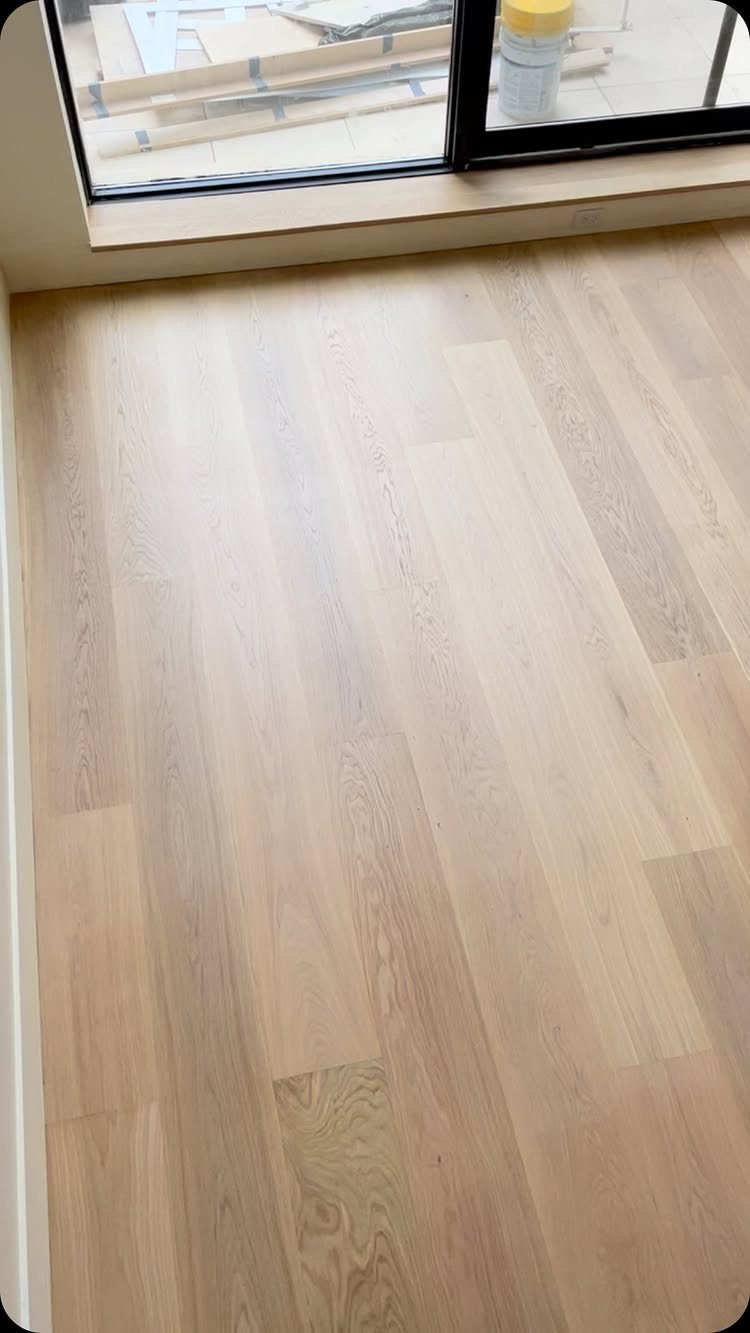
The grey wave crested a few years back, and the floors turning up now carry warmth that grey could not.
Natural oak, soft beige, greige with yellow still in it: these tones connect to cabinets and walls that already lean warm, which is most American kitchens you will walk into.
This plank runs 9 inches wide, engineered construction that handles the humidity swings a solid board would cup under. The maker set it through five levels of a Manhattan townhouse, which tells you something about where the look travels.
Matte finish matters more than the species. Gloss catches every footprint and every scratch; matte forgives daily life.
Sample both against your actual paint and countertop, not the store’s lighting.

Self-Levelling Cement Tool: The set includes 18 "spike roller x 1, 9" spike roller x 2, paint roller x 2, stainless steel scraper x 1, gloves x 1, extension rod x 1, spike shoes x 1. The tools are fully equipped and do not require additional procurement. Construction can be started immediately upon opening the box, suitable for leveling floors in households and small projects

SEAMLESS ADHESION: Self-leveling concrete floor epoxy kit spreads out uniformly for a smooth, durable glassine coating. Buildable formula leaves no ripples or seams even with multiple coats when applied correctly. Both DIYers and professionals see impeccable results

SEAMLESS ADHESION: Self-leveling concrete floor epoxy kit spreads out uniformly for a smooth, durable glassine coating. Buildable formula leaves no ripples or seams even with multiple coats when applied correctly. Both DIYers and professionals see impeccable results
11. 3D Epoxy Flooring
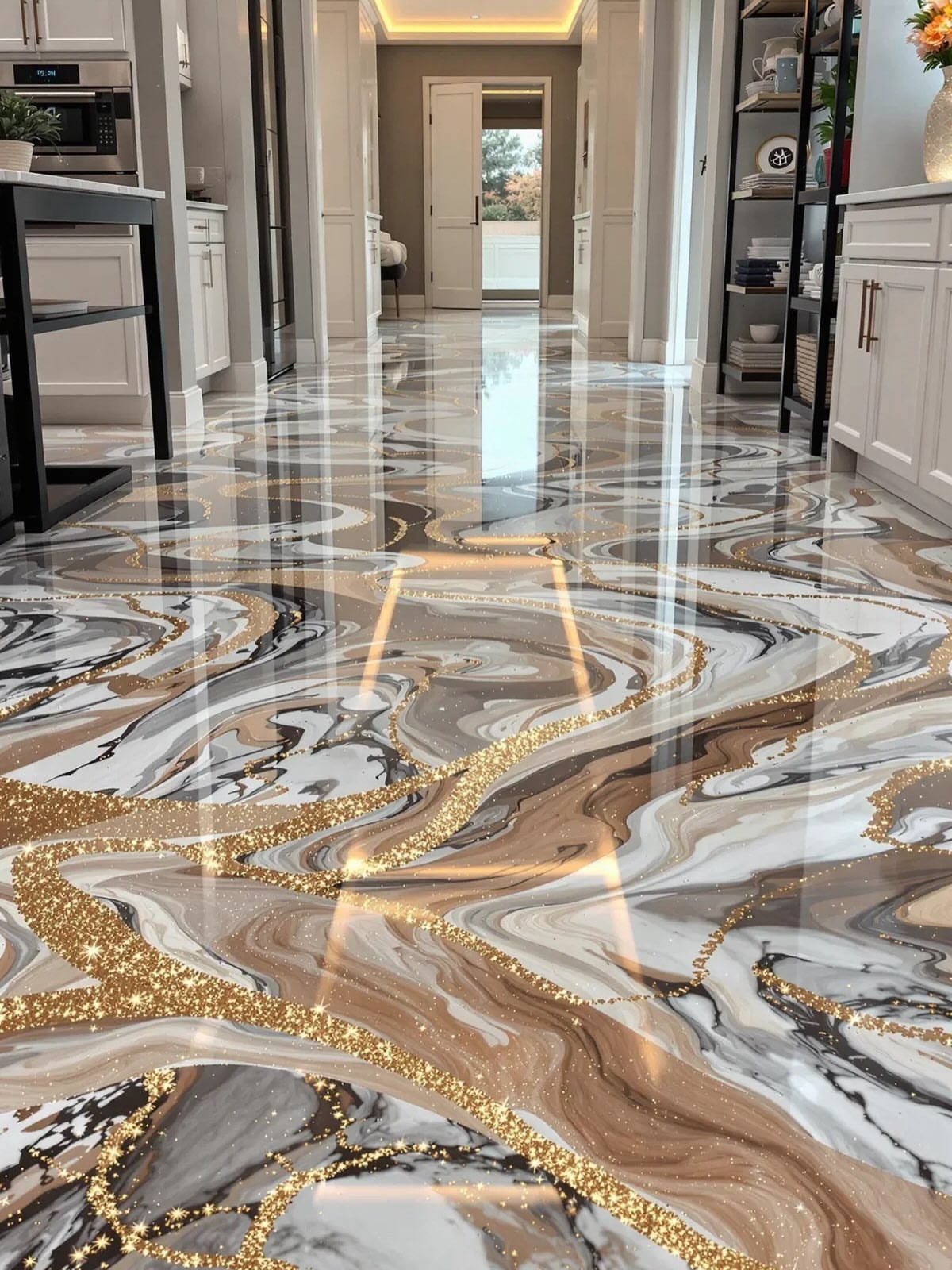
Epoxy floors start as liquid and end as glass, with pigment swirled through while it is still wet.
The result is a single poured surface with depth you cannot get from any plank or tile, and the design is fixed before the resin sets.
This hallway runs white through grey to gold flecks, a marble effect that no quarry produced.
Durability is real; the cured surface shrugs off most household chemistry. The gloss that makes it striking also makes it slick when wet, and the installation is not a learn-as-you-go project.
Multiple layers, precise timing, and a dust-free environment while curing mean hiring specialists who have done it before, not after.
For households with small children or aging parents, the slip factor trades against the visual effect.
Factors to Consider When Choosing Flooring
What happens in a room matters more than whether every floor in the house matches.
Kitchens and bathrooms need something that shrugs off water first; living rooms and bedrooms can put how the surface feels under bare feet higher on the list.
What works in a guest bedroom will not survive the hallway your family pounds through all day.
Budget for the wear layer, not just the pretty top. The most expensive option in a highly trafficked area burns money fast if the surface cannot take it.
Engineered wood at a mid price often outlasts premium solid oak in a busy kitchen because the construction handles humidity shifts better.
Check the subfloor before you fall in love with anything. One bad spot sets the prep standard for continuous flooring, and moisture history rules out materials that look perfect in the store.
Kitchens and bathrooms need moisture-resistant flooring, while living areas prioritize comfort and durability. Consumer Reports breaks down the best options for every room in your home.
Flooring Maintenance Tips
The grit you carry in on your soles grinds against the finish with every step, and road salt in winter only makes it worse.
A mat at each door that actually grips your shoes catches most of that grit before you cross the threshold.
Hardwood needs regular cleaning and occasional refinishing. A flooring contractor I trust compares periodic screenings to dental cleanings: maintenance now beats major repair later.
Tile and luxury vinyl ask less of your weekends. Carpet wants vacuuming often and a real deep clean once or twice a year; pets speed up that schedule.
Impact of Flooring on Home Value
Quality flooring choices impact resale value, so weigh what you need now against what buyers will see later. Hardwood and tile carry particular weight with appraisers and shoppers; both signal permanence in a way sheet goods rarely manage.
Engineered wood can stand in for solid hardwood on a tighter budget and still read as the real thing across a living room.
If selling is on the horizon in the next few years, the floor you pick should pull buyers in and hold its value, not just match your own taste.
Choosing Colors for Flooring
Light floors brighten a space with dark walls. Dark floors sink back visually and give rooms with pale walls some weight.
The balance between them matters more than following any single rule.
Dark colors drink up light and can press a room inward if the windows are small or the lamps are weak.
They suit houses with generous space and strong daylight, or rooms already balanced with pale walls, light furniture, and a few pieces that pop against the dark.
Frequently Asked Questions
What type of flooring is best for a whole house?
Waterproof vinyl or tile handle the widest range of rooms without fuss. Vinyl works through kitchens, basements, and mudrooms because standing water does not damage it, and the softer feel beats tile for long stretches of cooking.
Tile suits entryways and bathrooms where complete water resistance matters. Hardwood and engineered wood warm living spaces and bedrooms, but moisture limits where they can go.
What flooring choices do homeowners most regret?
Dining rooms are where carpet stings the hardest; marinara doesn’t wait for a napkin, and by year two you’ve paid for another cleaning that never quite lifts the stain.
Carpet also traps dust and mites, which becomes a problem for allergy sufferers. In high-traffic areas, homeowners often wish they had chosen something harder that could be wiped clean or refinished instead of replaced.
Should you put the same flooring throughout a house?
One floor running wall to wall reads as more square footage than the tape measure says, which matters most when the kitchen, living room, and hallway all share the same sight line.
A 1920s layout with real walls and real doors already does the work of separating rooms; forcing the same plank through every threshold flattens what the architecture gave you.
The subfloor sets the bar for prep across every room, so check the worst spot before committing.
What is the rule of 3 in flooring?
A house stays coherent when color, texture, and pattern pull equal weight; let one shout and the rest of the rooms feel like they’re watching someone else’s show. It keeps a house from feeling like a showroom or a patchwork.
In practice, this might mean one main flooring type for open areas, a second for wet rooms, and a third accent for a single statement space like an entryway.