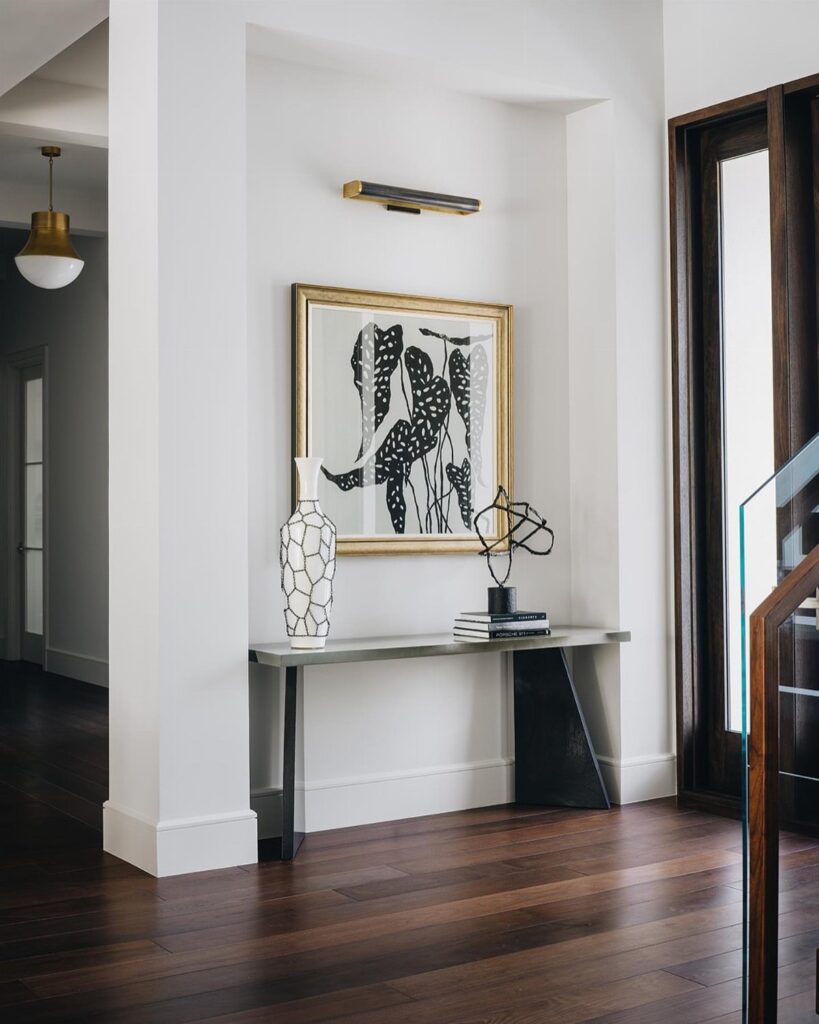
The 2026 wood floor color spectrum runs from whitewashed coastal lightness to near-black walnut, with golden oak and warm reddish-brown filling the middle ground.
Your own light sources and how much traffic a room sees are what narrow that spread to one or two planks worth ordering.
Matte finishes and wire-brushed textures show up across nearly every tone in this list, including the 7-inch starting width that now defines wide plank work.
1. Walnut Wood Floor
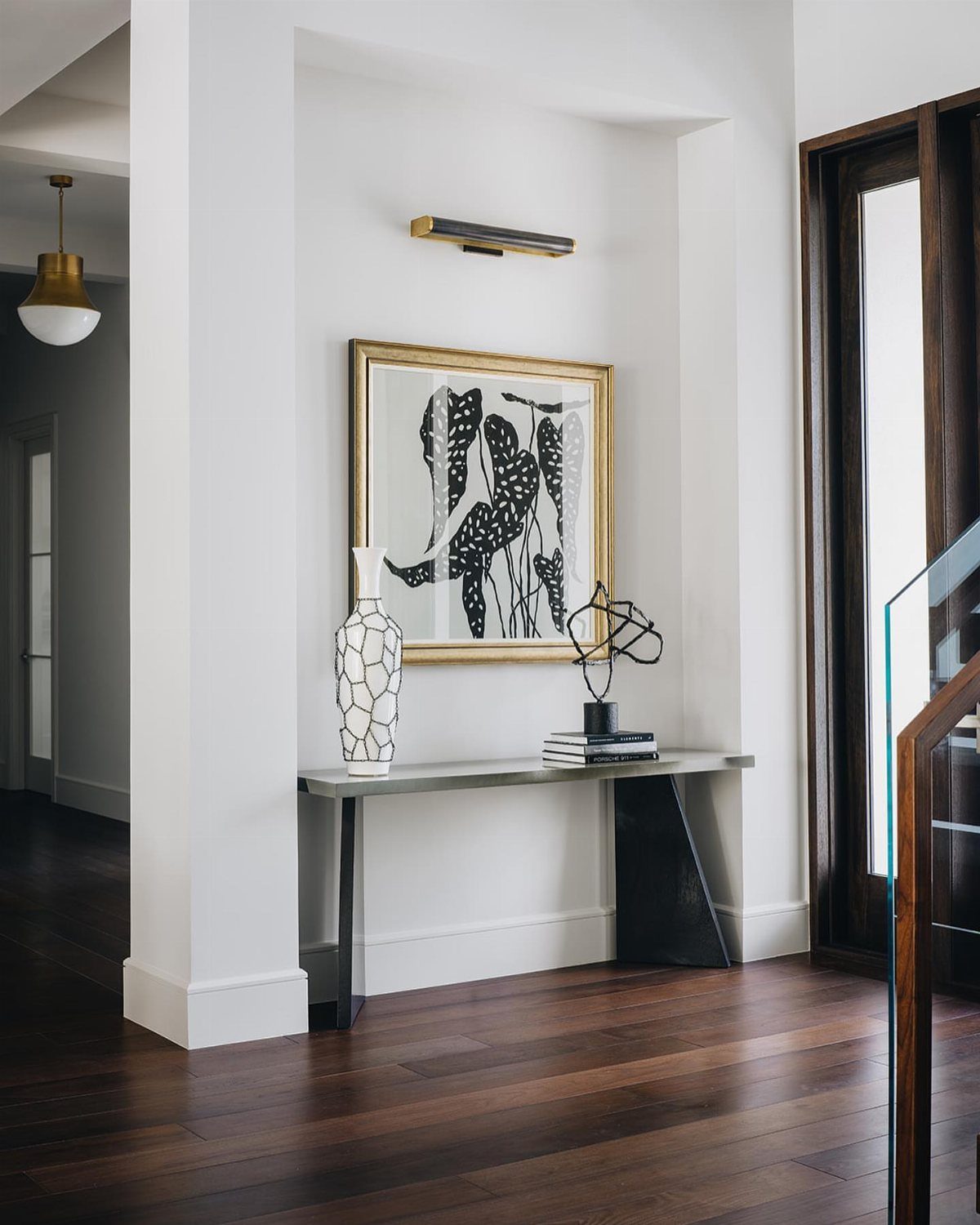
Walnut floors carry a depth that reads settled rather than showy, the kind of brown that hides a week’s dust without forgiving every scratch.
I would put this in a hallway that sees real traffic, or anywhere the vacuum does not run daily.
Pecan and chestnut are picking up the warmth that gray floors used to drain out of a room. These midtones warm a room without shrinking it, and walnut sits at the darker end of that safe middle.
For a dining room or bedroom where comfort matters more than drama, this is the tone I would pick.
2. Matte and Satin Finishes
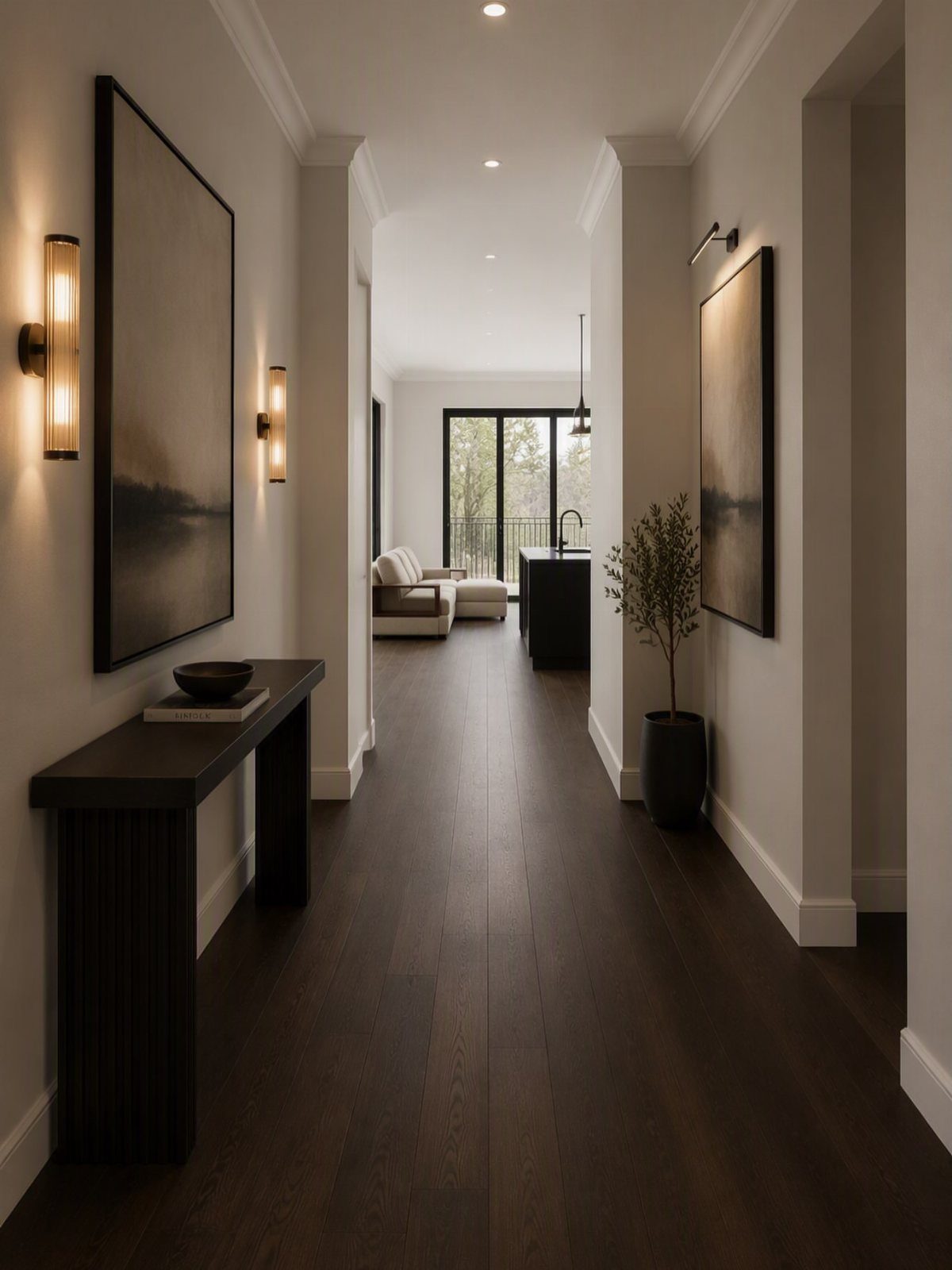
Matte finishes changed how I think about dark floors. The old glossy espresso showed every footprint; the same color in matte or wire-brushed texture swallows them.
UV-cured matte lacquer gives the look of oil without the upkeep. I would ask for this specifically if there are kids or dogs in the house.
Wire-brushing adds a light texture that catches light differently and wears better over time. Matte shows less depth in low light, so this needs some natural sun or good lamps to come alive.
3. Natural Oak
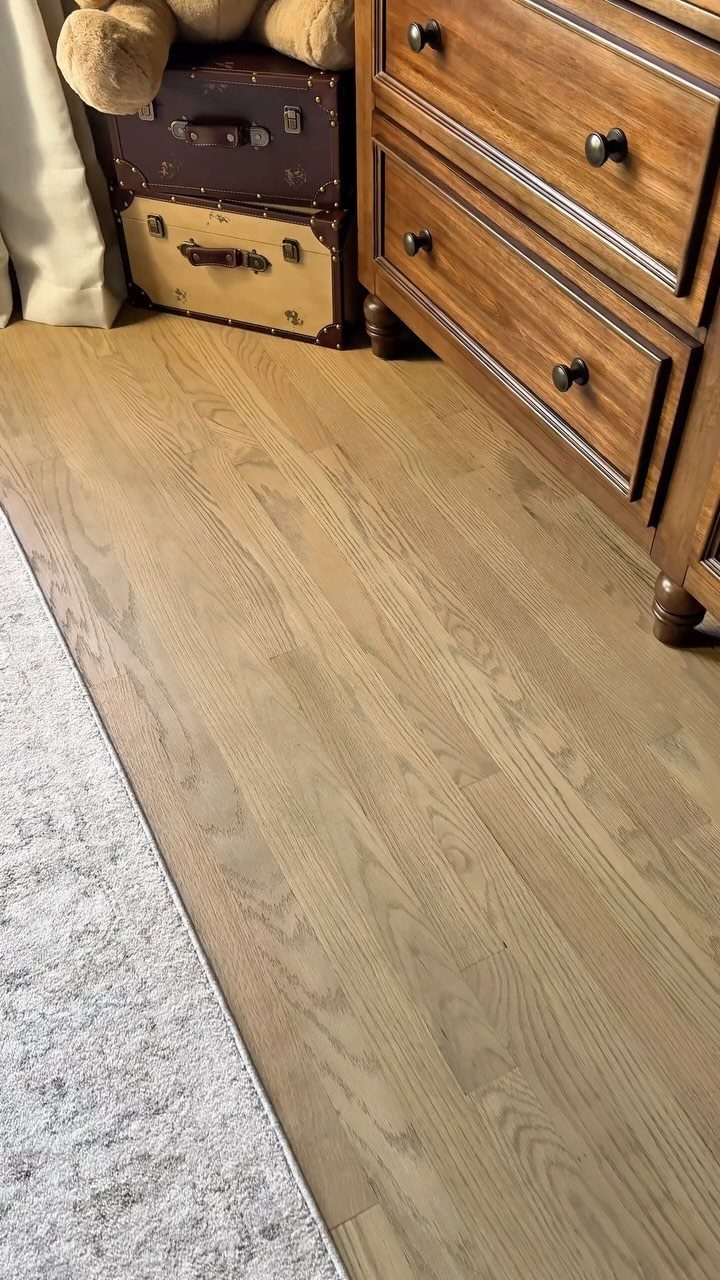
Honey and wheat shades of natural oak are what I point to when someone cannot decide. It works under farmhouse furniture, clean Scandinavian lines, or transitional pieces that borrow from both.
The 2026 versions dropped the orange cast that dated earlier golden oaks. What remains is a warm neutral that masks pet hair and brightens a room without reading yellow.
For a first floor with mixed uses, or a rental you might sell, this is the most forgiving foundation I know.
4. Wide Plank Wood Floor
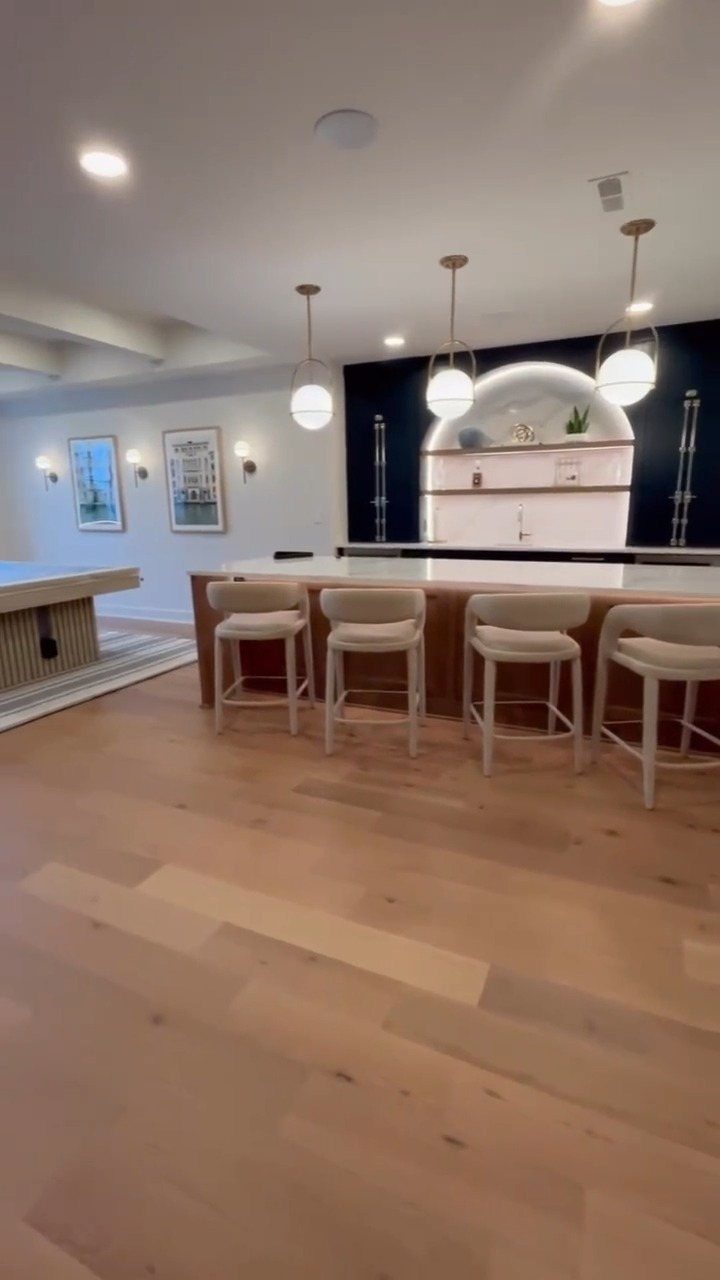
Wide planks start at 7 inches now, with 10 inches common in high-end work. I have seen variable widths, 5-7-9 inches mixed in one room, and the effect feels older, less machine-made.
More wood surface and fewer seams open up a space visually. White oak handles this best for availability, hickory if you want harder wear, walnut for darker drama.
Engineered construction makes the width stable where solid boards would cup. In an open plan where the floor runs through kitchen and living areas, this continuity is worth the extra cost per square foot.

THIS IS A FLOORING SAMPLE - Cut from an actual full-size Sierra White Oak plank so you can see the true color, grain variation, and wire-brushed texture before purchasing.

Sample Package Contents: This listing includes 2 pieces of wood floor samples measuring 7 inches by 8 inches each
5. Herringbone Wood Floor
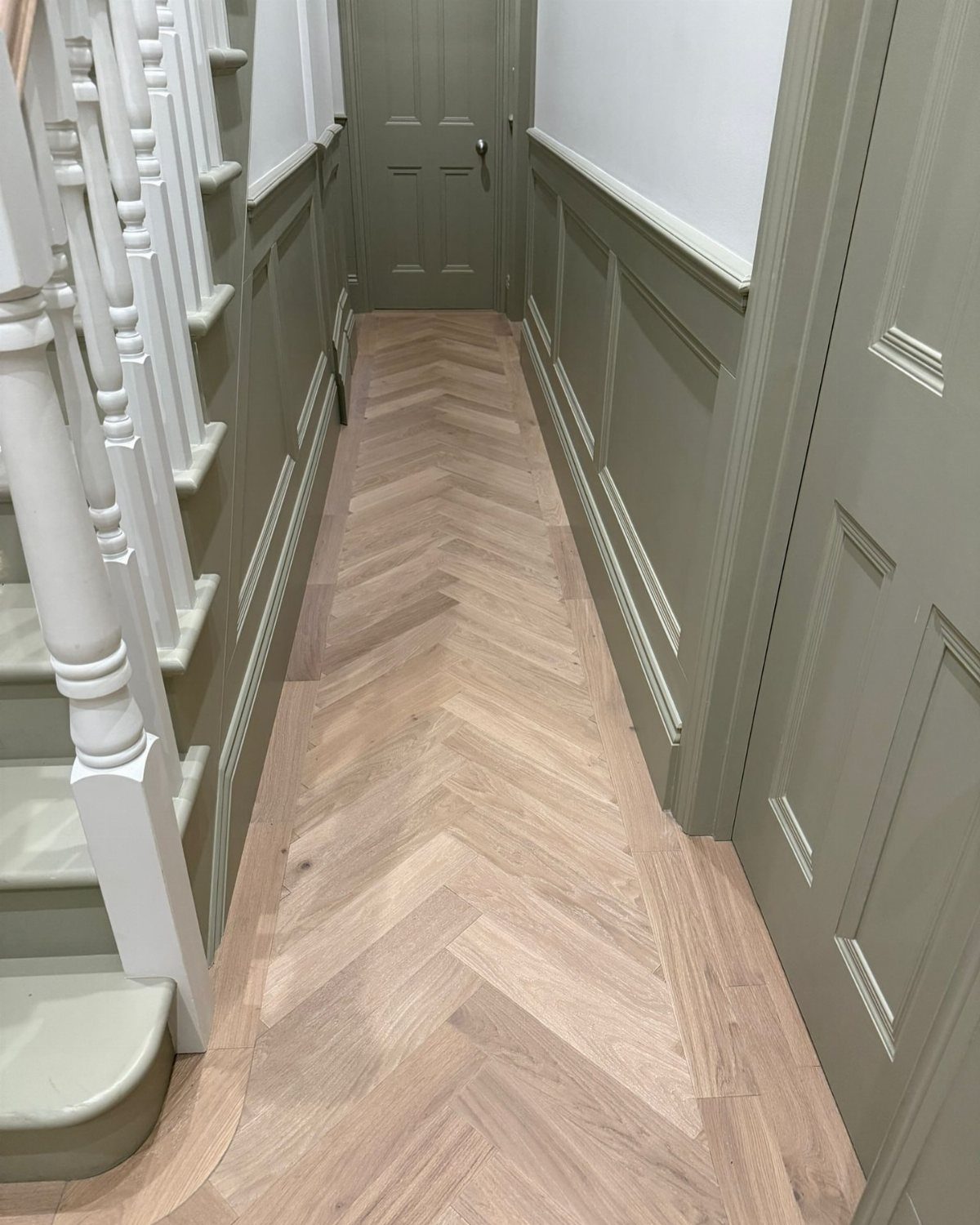
Herringbone adds movement without demanding attention, the pattern doing the work that a bolder color would. I would keep planks narrow, 3 to 5 inches, and hire someone who has done it before.
The lines must meet clean or the whole floor looks off.
Oversized herringbone with longer planks is the 2026 update, bolder in entryways and primary suites where the scale can carry it. For a home office or dining room that needs something extra without a renovation, this pattern delivers.
The installation takes longer and costs more; the result is architectural detail you walk on.
6. Golden Oak Floors
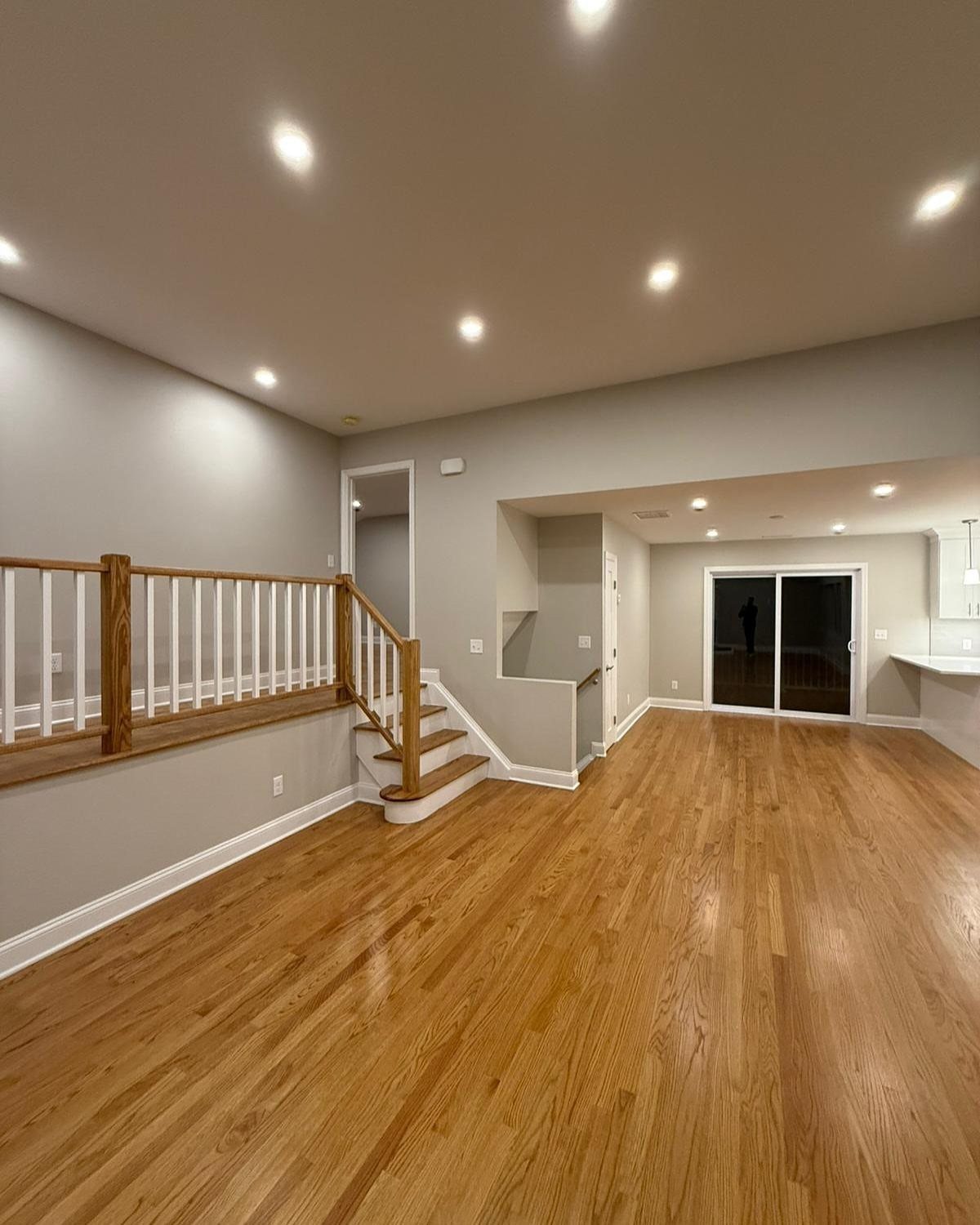
Golden oak floors catch afternoon light in a way that makes a room feel inhabited before furniture arrives. The 2026 honey and caramel tones bridge cool and warm palettes, pairing with sage, navy, or off-white without fighting.
I would use this in an open layout where the floor needs to tie together areas with different functions or colors. The glow is real, not metaphor: these finishes reflect light differently than darker or grayer woods.
For a basement or north-facing room that needs warmth, this is brighter than walnut and more interesting than beige.
7. Cool Gray Floors
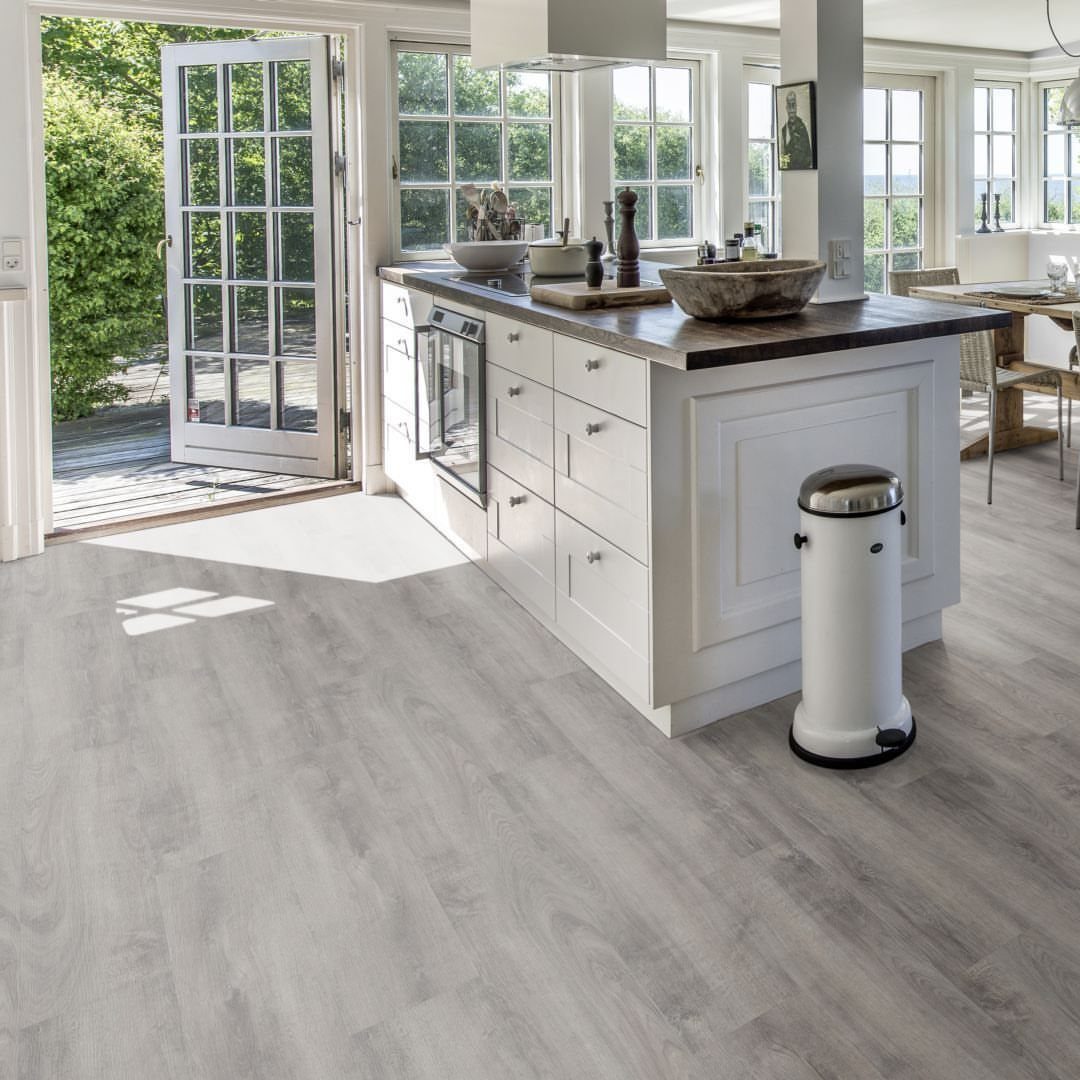
Cool gray floors still read clean and modern, but the shift toward warmth means they now work best as a deliberate choice rather than a safe default.
In a kitchen with white cabinets and good natural light, the tone stays crisp without feeling cold.
If resale sits in your plans, gray is no longer the broadest bet; warm neutrals pull more buyer interest in 2026. Renters or committed minimalists get more mileage here.
Pair with wood countertops or brass hardware to keep the palette from drifting sterile.
A matte or satin finish keeps the look current. Glossy gray reads dated fast.
8. Whitewashed & Light, Airy Hues
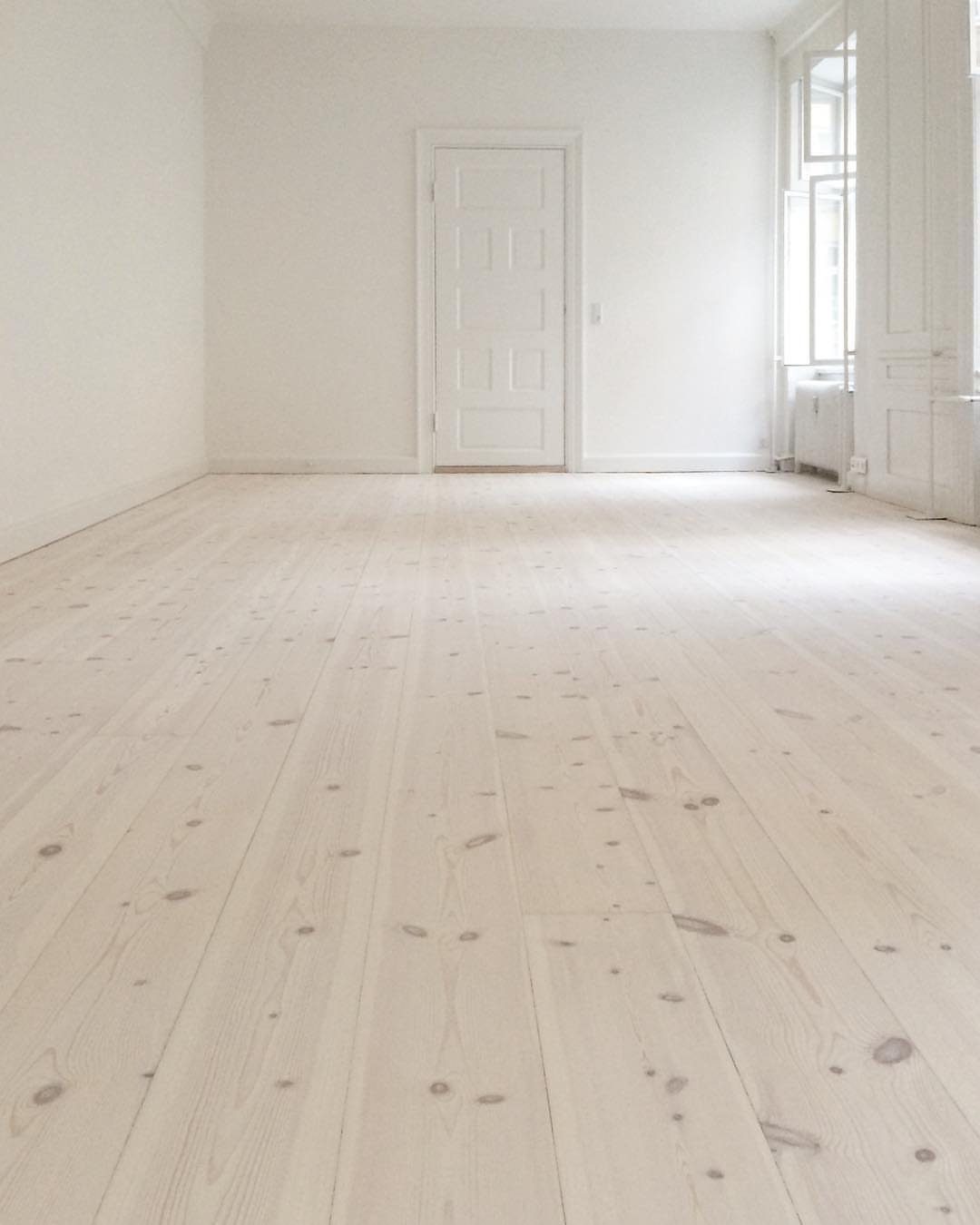
Whitewashed floors bounce light around small rooms better than almost anything else, and the 2026 coastal revival makes them feel intentional rather than accidental. Keep enough grain visible so the wood still reads as wood, not paint.
This finish suits rental flips and beach-adjacent homes especially. Dust shows less than on medium tones, though scuff marks stand out more; a matte sealant helps.
Linen upholstery and rattan layer naturally on top.
White oak holds the wash evenly. Red oak’s pink undertone fights the cool tint, so test a sample patch first.
9. Wood Stain Swatch Samples
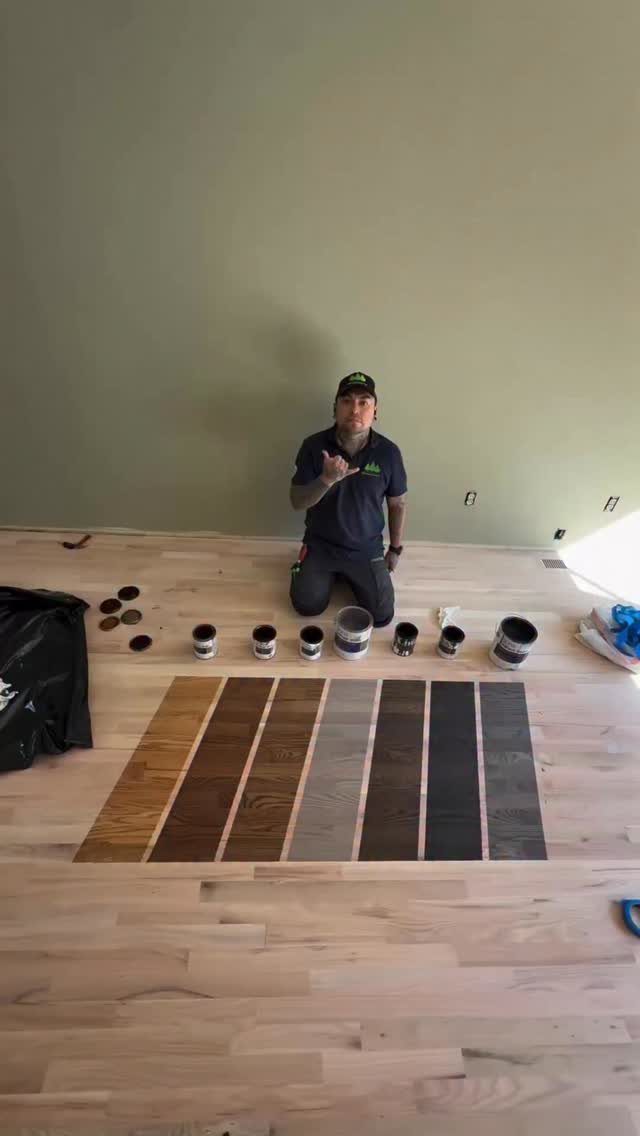
Stain samples belong on your actual floorboards, not a separate strip of pine from the hardware store.
The same can of Bona Nordic Seal reads differently on white oak versus red oak, and your light source changes things again by afternoon.
Lay down patches in different spots, live with them for a week, and move furniture over a couple to see how they handle shadow. The lightest option hides pet hair and dust longest; the darkest shows every crumb and scratch.
Sample cans cost next to nothing against the price of refinishing a whole floor you end up hating. South-facing rooms with unshaded windows will shift any color faster; factor that in.

Premium European Oak Construction: 7” wide samples from Flooret’s Silvan Resilient Hardwood Collection—crafted from sustainably sourced European white oak for timeless character and strength.
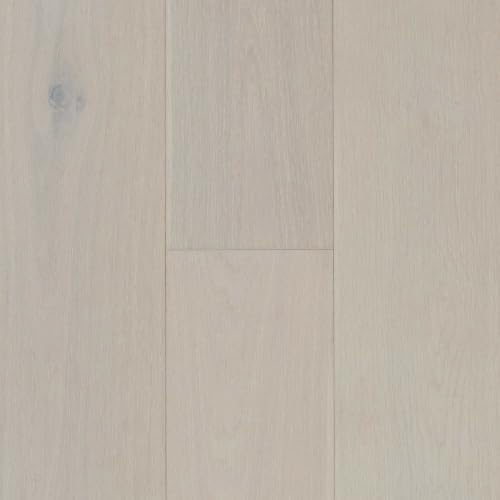
THIS IS A FLOORING SAMPLE - Cut from an actual full-size Aspen White Oak plank so you can see the true color, grain variation, and wire-brushed texture before purchasing.
10. Dark Brown Wood Flooring
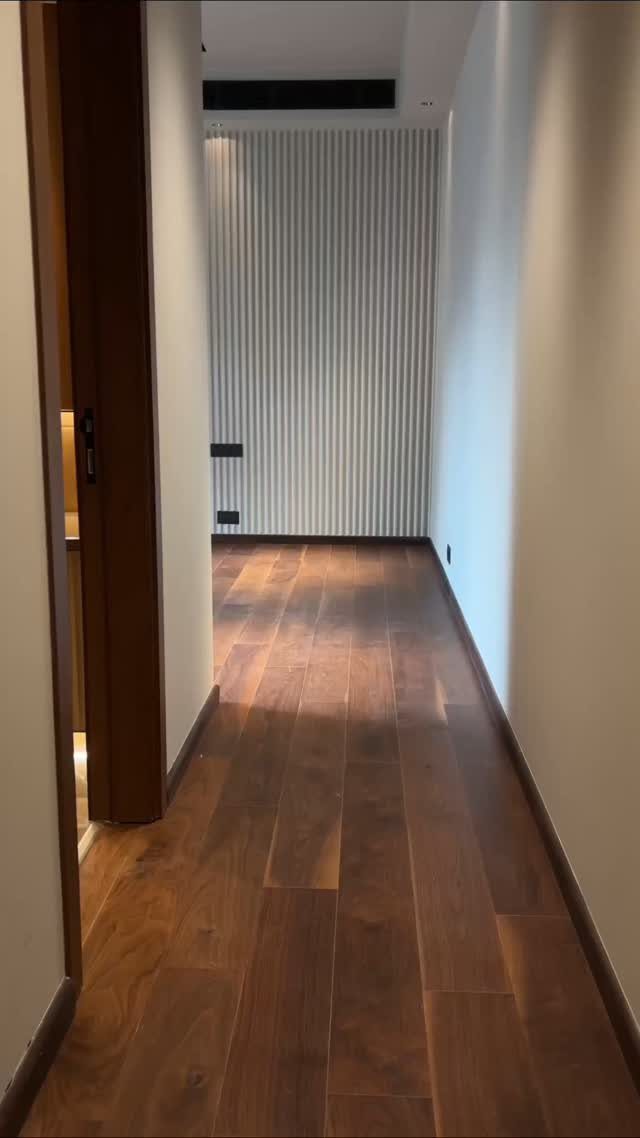
Dark brown floors in a long hallway pull the eye forward and make the space feel deliberate, almost gallery-like. White walls do the heavy lifting with this tone; without that contrast, it can swallow a room.
Matte finishes save this look in 2026. The glossy espresso stains of a decade ago show every footprint; today’s low-sheen versions let the grain texture do the work.
Hartco’s Blackened Brown and Shaw’s Muse hit this register if you’re shopping names.
This shade works best where you want impact, or in open plans that already have strong light and pale surfaces to balance it. Small, dim spaces trade away too much light.
Pair with lighter walls and expect to sweep more often; dust reads bright against deep tone.

【Important Tips Regarding Colors】Please note that colors may vary slightly due to different monitor settings and lighting conditions. For the best match, we recommend placing the transition strip image against your floor for comparison before making the purchase, so as to confirm the color in your specific lighting, thereby reducing your subsequent troubles.

【Important Tips Regarding Colors】Please note that colors may vary slightly due to different monitor settings and lighting conditions. For the best match, we recommend placing the transition strip image against your floor for comparison before making the purchase, so as to confirm the color in your specific lighting, thereby reducing your subsequent troubles.
【Important Tips Regarding Colors】Please note that colors may vary slightly due to different monitor settings and lighting conditions. For the best match, we recommend placing the transition strip image against your floor for comparison before making the purchase, so as to confirm the color in your specific lighting, thereby reducing your subsequent troubles.
11. Light Brown Wood Floors
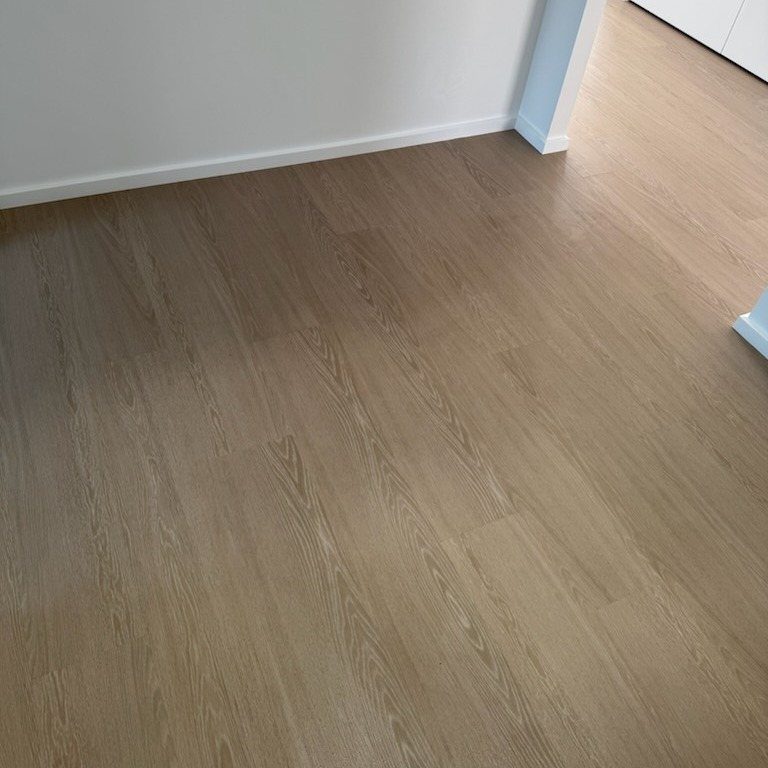
Light brown with visible grain and white trim hits a middle register that offends nobody and excites nobody, which is sometimes exactly right. The matte finish here keeps it from reading as builder-grade; there’s texture, not plastic.
This is the practical workhorse tone for resale, for rentals, for households with dogs and kids. Dust and scratches hide better than on pale gray or deep espresso.
Anderson Tuftex’s Hatfield House and Shaw’s Mural run in this range if you want engineered options with width.
It trades away drama. If your furniture and art do the talking, that’s fine.
If the floor needs to carry the room, go warmer or darker.
12. Warm Reddish-brown Wood Flooring
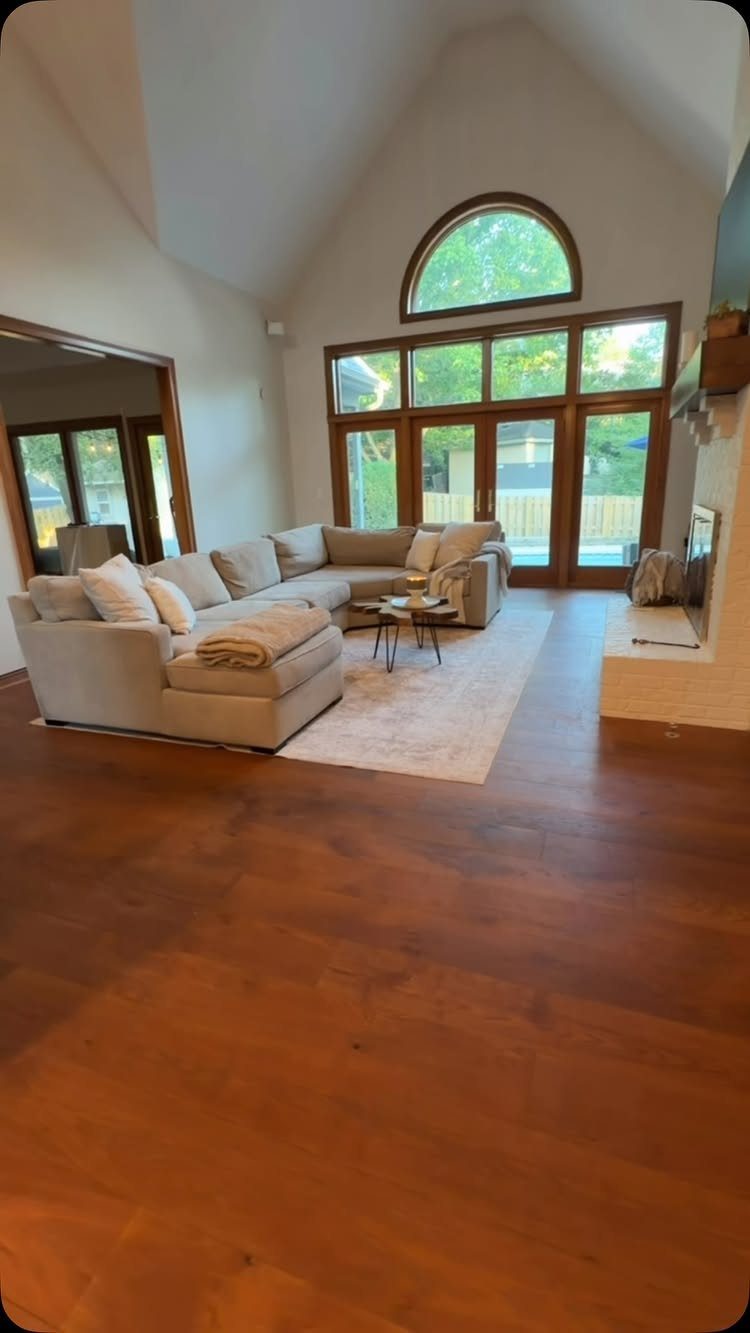
Warm reddish-brown carries a living room with vaulted ceilings beautifully; the tone anchors wide open space without darkening it. Pecan, chestnut, and walnut variants are the comeback story of 2026, directly replacing the gray wave that ran 2015 to 2022.
This is the "brown is the new gray" move for homeowners staying put. The tone reads as settled rather than of-the-moment, and everyday dust disappears into it far better than on pale or cool floors.
Neutral upholstery lets the wood warmth do the work without competing.
Best for south-facing rooms and traditional architecture. Modern minimalists might find it too settled; they’d lean lighter or cooler instead.
After years of cool grays dominating, homeowners are returning to comfort and richness. Warm woods bring depth, character, and designer-approved refinement.
Choosing Timeless Colors
Hardwood refinishing still pays back better than almost any interior project you can name.
Natural oak stays versatile across furniture styles, honey and warm browns layer with earth tones or cool accents, and medium amber balances light against dark as your taste shifts.
Maintenance Considerations
Matte and low-sheen finishes absorb light rather than throw it back, which lets the wood itself read as the material.
That softer look comes with a practical gain: dust, footprints, and small scuffs stay visible for less time, so the floor does not ask for constant attention.
For households where maintenance time is short, this matters as much as day-one appearance.
Impact of Lighting
Cleaner, lower-grain woods like maple suit minimal interiors where consistency matters more than character. Testing samples in your actual light, at different hours, is the step too many people skip.
Integration with Decor
Floor color needs to talk to the other fixed elements in the room. A 2026 shift toward Cohesive Wood Integration means designers are matching flooring exactly to stair treads, nosings, and even wall paneling rather than using contrasting trim.
The effect is a single material wrapping the space, which reads as intentional rather than assembled piecemeal.
If you are replacing floors in a kitchen or built-in-heavy room, hold your stain sample against the cabinets and trim before committing; the undertone match matters more than the individual color.
Frequently Asked Questions
What color wood is trending in 2026?
Warm natural oak and honey tones lead the way, with balanced warm neutrals sitting between light and dark rather than leaning golden or red. Designers are also favoring visible grain patterns and natural imperfections over perfectly uniform boards.
What flooring is outdated?
Cool gray floors and high-gloss finishes are the clearest fade, with gray’s peak years of 2015 to 2022 giving way to warmer palettes. Yellow and orange-leaning oaks read dated now, replaced by warmer neutrals that lost that brassy cast.
Perfectly uniform, variation-free boards also look manufactured compared to floors with natural color variation.
What are the flooring trends for 2026?
Warm earthy tones, matte and satin finishes, and textured surfaces like wire-brushing define the year. Wide planks starting at 7 inches and mixed variable widths feel less machine-made, while herringbone patterns add architectural interest without demanding a full renovation.
What is the most popular hardwood floor color right now?
Honey and wheat-toned natural oak is what installers are laying most often right now, across solid hardwood, LVP, and laminate alike.
It reads warm without tipping yellow, works under farmhouse, Scandinavian, or transitional furniture, and masks pet hair while brightening a room.
A mid-tone natural oak is the safest bet for a first floor that sees everything from muddy boots to dinner parties, or for a rental you might eventually list.